
Food
Osso Buco: A Classic Italian Comfort Dish

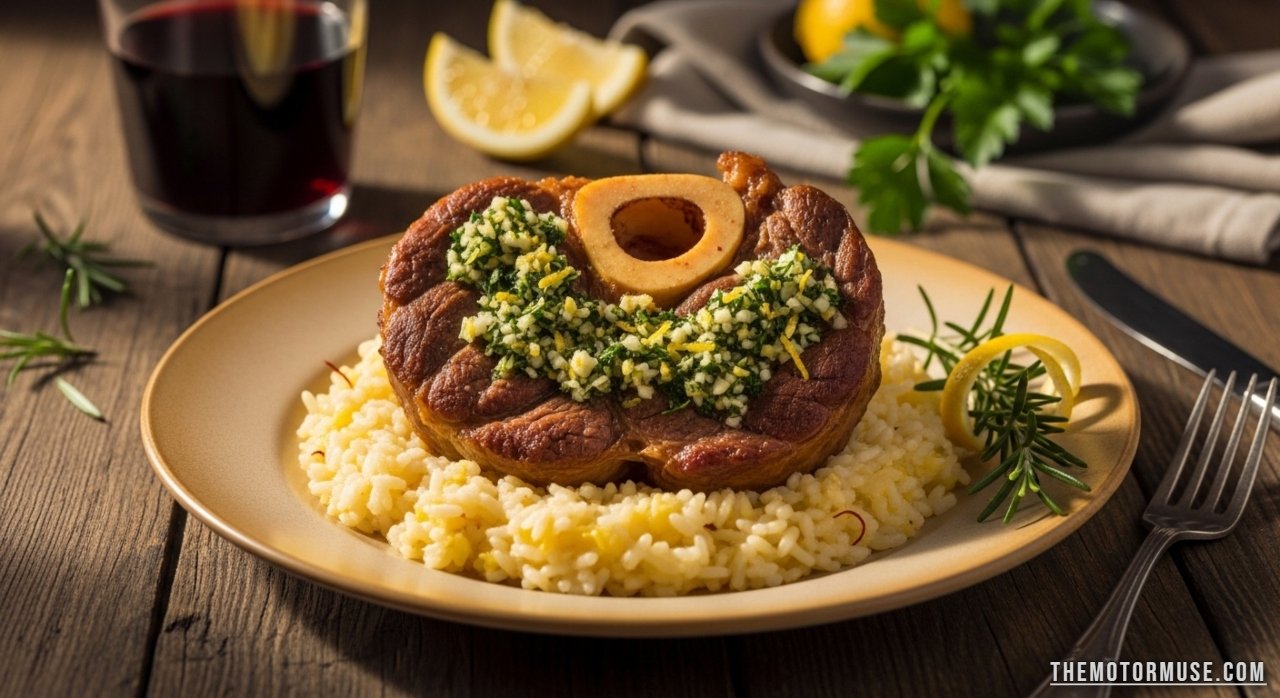
Osso Buco stands as one of Italy’s most beloved comfort foods, celebrated for its rich flavors, tender meat, and deeply satisfying aroma. This traditional dish, built around cross-cut veal shanks slowly braised to perfection, has become a symbol of Northern Italian culinary heritage. With its signature marrow-filled bone at the center and a bright gremolata garnish on top, Osso Buco delivers both rustic charm and refined elegance.
Though it may look like a restaurant-only specialty, this classic can be recreated in home kitchens with patience and quality ingredients. The magic lies not in complicated technique, but in time and balance—allowing simple components to transform into something extraordinary.
The Origins of Osso Buco
This iconic dish traces its roots to Milan, the bustling capital of the Lombardy region in Northern Italy. Traditionally known as “Osso Buco alla Milanese,” it emerged in the 19th century as a hearty meal suited to cooler climates.
The name literally translates to “bone with a hole,” referencing the marrow-filled center of the veal shank. Historically, local cooks relied on affordable cuts of meat that benefited from slow cooking. Over time, this humble preparation evolved into a staple of Italian cuisine, gaining recognition far beyond its regional beginnings.
Today, variations can be found throughout Italy and around the world, but the Milanese version remains the gold standard.
Understanding the Cut: Why Veal Shank Matters
The foundation of Osso Buco is the cross-cut veal shank. This cut includes bone, connective tissue, and lean meat. When slowly braised, the collagen breaks down into gelatin, creating a luxuriously silky sauce.
Key characteristics of the ideal cut include:
- Thick slices, about 1.5 to 2 inches each
- Visible marrow in the center bone
- Even distribution of meat around the bone
- Fresh, pale pink color
While veal is traditional, some cooks use beef shank for a heartier flavor. However, the texture and delicacy of veal remain unmatched in classic preparations.
Essential Ingredients for Authentic Flavor
The beauty of Osso Buco lies in its simplicity. Each ingredient plays a distinct role in building layers of flavor.
Core ingredients include:
- Veal shanks
- Onion, carrot, and celery (soffritto base)
- Garlic
- White wine
- Broth (usually beef or veal stock)
- Tomatoes (fresh or canned)
- Bay leaf and thyme
- Salt and black pepper
The finishing touch is gremolata—a fresh mixture of parsley, lemon zest, and garlic sprinkled on top just before serving. This garnish brightens the rich sauce and balances the dish beautifully.
Traditional Cooking Method
The preparation process requires patience, but the steps themselves are straightforward.
1. Searing the Meat
The veal shanks are lightly floured and seared in olive oil or butter until golden brown. This step locks in flavor and creates depth.
2. Building the Base
The soffritto—finely chopped onion, carrot, and celery—is sautéed until soft and aromatic.
3. Deglazing
White wine is added to lift the browned bits from the pan, infusing the sauce with acidity and complexity.
4. Slow Braising
Stock and tomatoes are added, and the meat is gently simmered for about 1.5 to 2 hours. During this time, the connective tissues soften, and the sauce thickens naturally.
The result is fork-tender meat that nearly falls off the bone, surrounded by a rich, velvety sauce.
The Importance of Gremolata
While the braised shanks provide richness, gremolata introduces freshness. This simple topping prevents the dish from feeling heavy and enhances its aroma.
The traditional blend includes:
- Fresh parsley
- Lemon zest
- Minced garlic
Sprinkled over the finished dish, gremolata adds brightness and contrast, elevating the overall experience.
Classic Pairings and Serving Suggestions
In Milan, Osso Buco is often served with Risotto alla Milanese, a creamy saffron-infused rice dish that complements the braised meat perfectly. The subtle spice of saffron and the creaminess of the rice absorb the flavorful sauce beautifully.
Other popular accompaniments include:
- Polenta
- Mashed potatoes
- Buttered tagliatelle
- Crusty Italian bread
When plating, spoon extra sauce over the top and ensure each serving includes the prized marrow bone. Many diners use a small spoon to scoop out the marrow—a true delicacy.
Regional and Modern Variations
Though the Milanese version remains traditional, creative variations have emerged.
Some recipes omit tomatoes entirely, creating a white braise. Others incorporate red wine instead of white for deeper color and flavor. In certain regions, chefs add anchovies or citrus peel to introduce subtle complexity.
Modern adaptations may include:
- Pressure cooker versions for faster results
- Slow cooker preparations for convenience
- Beef or pork shank alternatives
- Contemporary plating styles in fine dining
Despite these innovations, the heart of the dish remains the same: slow-cooked shanks in a flavorful broth.
Nutritional Perspective
Osso Buco offers a balance of protein, healthy fats, and essential nutrients. The marrow provides richness and contains beneficial fats, while the vegetables contribute vitamins and fiber.
Because it is braised rather than fried, the dish avoids excessive oil. However, portion control is key due to its richness. Pairing it with vegetables or lighter sides can create a well-rounded meal.
Tips for Perfect Results
Achieving restaurant-quality results at home is possible with careful attention to detail.
- Use a heavy-bottomed Dutch oven for even heat distribution.
- Keep the simmer gentle; rapid boiling can toughen the meat.
- Turn the shanks occasionally to ensure even cooking.
- Taste and adjust seasoning near the end.
- Prepare gremolata fresh for maximum aroma.
Allowing the dish to rest for a few minutes before serving enhances flavor integration.
Wine Pairings
A dish this rich deserves a thoughtful wine selection. Traditional choices include Italian whites and light reds from the Lombardy region.
Recommended options:
- Pinot Grigio
- Barbera
- Chianti
- Nebbiolo
The acidity in these wines cuts through the richness and refreshes the palate between bites.
Cultural Significance
In Italy, meals are more than nourishment—they represent connection and tradition. Osso Buco often appears at Sunday family gatherings, festive occasions, and celebratory dinners. Its slow preparation encourages patience and shared anticipation.
Beyond Italy, the dish has become a staple in Italian restaurants worldwide. It symbolizes rustic authenticity and culinary craftsmanship.
Why Osso Buco Remains Popular Today
Despite changing food trends, this dish maintains enduring appeal. Its combination of tenderness, depth, and comforting warmth resonates across generations.
Modern diners appreciate:
- Farm-to-table cooking traditions
- Slow food philosophy
- Hearty, satisfying meals
- Authentic regional recipes
The timeless technique of braising continues to captivate home cooks and professional chefs alike.
Common Mistakes to Avoid
Even simple recipes can go wrong without care. Here are frequent pitfalls:
- Skipping the browning step
- Using thinly sliced shanks
- Overcooking at high heat
- Neglecting seasoning balance
- Forgetting gremolata
Patience and proper technique ensure consistent success.
Making It Ahead of Time
Like many braised dishes, Osso Buco often tastes even better the next day. The flavors deepen as the sauce rests. Simply refrigerate overnight and gently reheat before serving.
This make-ahead advantage makes it perfect for dinner parties or special occasions.
Bringing Italian Comfort to Your Kitchen
Cooking Osso Buco at home allows you to experience authentic Italian flavors without traveling abroad. The process encourages slowing down, savoring aromas, and appreciating craftsmanship in the kitchen.
With quality ingredients and careful preparation, you can recreate a dish that has delighted families for generations. From the tender veal to the bright gremolata finish, every element works in harmony.
Final Thoughts
Osso Buco represents the essence of Italian comfort cuisine: simple ingredients transformed through patience and technique. Its rich sauce, tender meat, and aromatic garnish create a memorable dining experience that feels both rustic and refined.
Whether served with saffron risotto or creamy polenta, this classic continues to bring warmth to tables around the world. By mastering this timeless dish, you not only prepare a satisfying meal—you preserve a culinary tradition that has endured for centuries.



Jeroen Dik: VAG Tuning Expert & Racing Champion

“Xaicotum: Technology, Superfood & Cultural Insights”

Jiolojia: Understanding Geology and Earth’s Rocks

Subaru WRX STI discontinued … till further notice
What could have been: The incredible experimental engines that time forgot
