
Others
Reaganomics: The Policy That Reshaped America

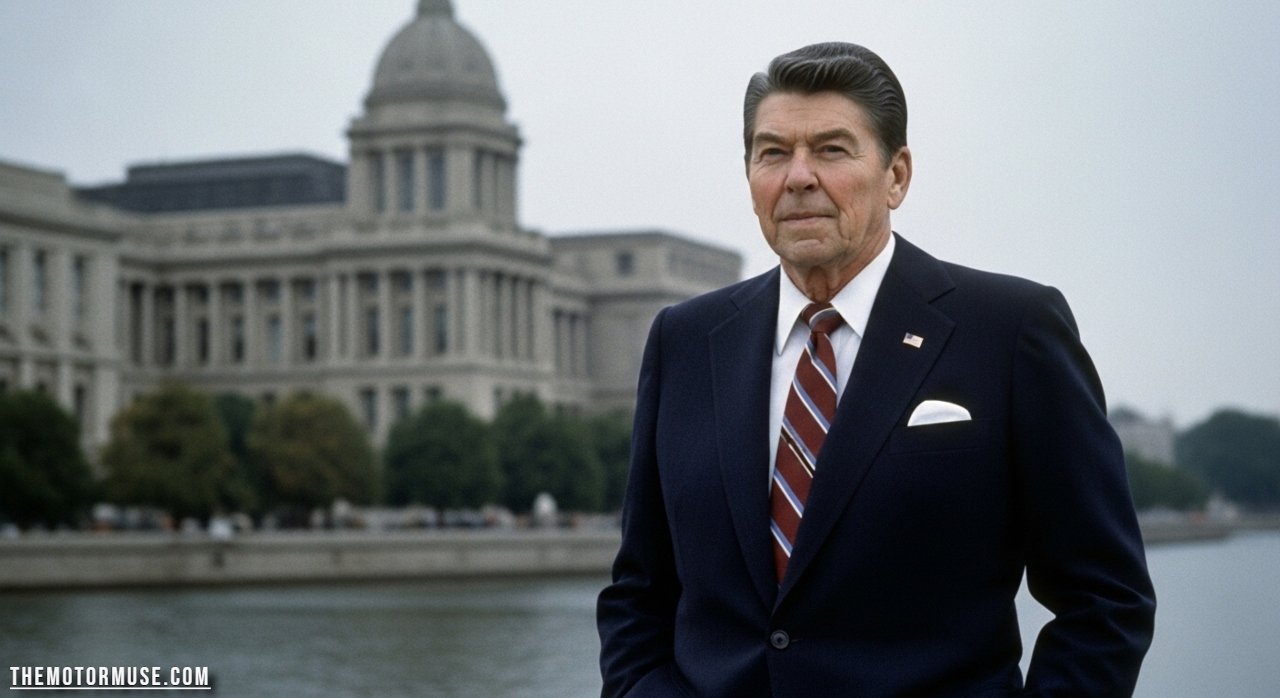
In the 1980s, the United States experienced a major shift in economic policy under the leadership of Ronald Reagan. This shift became widely known as Reaganomics, a term that continues to shape debates about taxation, government spending, and economic growth decades later. Supporters credit Reaganomics with revitalizing the American economy after a period of stagflation, while critics argue it widened income inequality and expanded federal deficits.
Understanding Reaganomics requires examining the economic challenges of the late 1970s, the core principles behind the policy, its real-world outcomes, and its long-term influence on both American and global economic thinking.
The Economic Climate Before Reaganomics
Before Reaganomics emerged, the United States faced severe economic instability. The 1970s were marked by:
- High inflation
- Rising unemployment
- Energy crises
- Slow economic growth
This rare combination of inflation and stagnation—often called stagflation—challenged traditional economic theory. During the administration of Jimmy Carter, inflation soared into double digits, and interest rates climbed dramatically.
By the time Ronald Reagan took office in 1981, the country was eager for bold economic reform.
The Core Principles of Reaganomics
Reaganomics was built on four primary pillars:
- Tax Cuts
- Reduced Government Spending (excluding defense)
- Deregulation
- Tight Monetary Policy to Control Inflation
These ideas were influenced by supply-side economics, which argued that reducing taxes—especially for businesses and high-income earners—would stimulate investment, job creation, and overall economic growth.
Tax Reduction Strategy
One of the most significant actions under Reaganomics was the passage of the Economic Recovery Tax Act of 1981. This law substantially reduced individual income tax rates and aimed to encourage economic activity.
Supporters believed lower taxes would:
- Increase business investment
- Encourage entrepreneurship
- Boost consumer spending
- Expand the tax base over time
The top marginal tax rate was reduced significantly during Reagan’s presidency, reflecting a major departure from previous decades.
Deregulation Efforts
Reaganomics also promoted reducing federal regulations across industries such as banking, telecommunications, and energy. The administration argued that excessive regulation hindered business growth and innovation.
By cutting back on certain regulatory frameworks, policymakers hoped to increase competition and efficiency within markets.
Defense Spending Increases
While domestic spending saw reductions in some areas, defense spending rose sharply during the Reagan years. The Cold War with the Soviet Union was still ongoing, and national security became a priority.
This military buildup was intended to strengthen America’s global position and pressure the Soviet Union economically and strategically.
The Role of Monetary Policy
Although Reaganomics focused on fiscal policy, monetary policy also played a crucial role. The Federal Reserve, led by Paul Volcker, implemented high interest rates to combat inflation.
This approach initially caused a deep recession in the early 1980s, but inflation eventually declined significantly. By the mid-1980s, economic growth began to accelerate.
Early Challenges and Recession
The early years of Reaganomics were not immediately successful. In 1981–1982, the U.S. entered a severe recession:
- Unemployment peaked above 10%
- Businesses struggled with high borrowing costs
- Consumer confidence declined
Critics argued that tax cuts and spending policies worsened the downturn. However, supporters maintained that short-term pain was necessary to stabilize inflation and reset the economy.
Economic Recovery and Growth
By 1983, the economy began to recover. The mid-to-late 1980s saw:
- Strong GDP growth
- Declining inflation
- Increased job creation
- A booming stock market
Many credit Reaganomics with fueling this expansion. Business investment rose, and consumer spending increased as inflation stabilized.
The economic expansion continued for several years, contributing to a sense of renewed confidence in American markets.
Budget Deficits and National Debt
One of the most debated aspects of Reaganomics is its impact on the federal budget. While tax cuts were substantial, government revenue did not immediately rise enough to offset reduced tax rates and increased defense spending.
As a result:
- Federal budget deficits expanded
- The national debt grew significantly
Critics argue this outcome contradicted the goal of reducing government size. Supporters counter that long-term economic growth justified the temporary fiscal imbalance.
Income Inequality Debate
Another major controversy surrounding Reaganomics involves income distribution. During the 1980s, income inequality increased in the United States.
Supporters argue that economic growth benefited society overall and that wealth creation at the top stimulated broader opportunity.
Critics contend that tax cuts disproportionately favored higher-income households, contributing to long-term structural inequality.
This debate continues to shape discussions about taxation and fiscal policy in modern American politics.
Global Influence of Reaganomics
The philosophy behind Reaganomics influenced economic policy worldwide. In the United Kingdom, Prime Minister Margaret Thatcher implemented similar market-oriented reforms.
These parallel approaches emphasized:
- Privatization
- Free markets
- Reduced government intervention
- Trade liberalization
Together, these policies reshaped global economic thinking during the late 20th century.
Long-Term Economic Impact
Assessing the long-term effects of Reaganomics remains complex. Key outcomes include:
- Lower long-term inflation
- Strengthened U.S. global economic position
- Structural shifts toward market-driven policies
- Persistent debates about debt and inequality
Many later administrations, regardless of political affiliation, adopted elements of supply-side thinking or market-friendly reforms.
Reaganomics in Modern Political Debate
Today, Reaganomics is frequently referenced in discussions about:
- Corporate tax cuts
- Government stimulus policies
- Federal spending priorities
- Economic inequality
Some policymakers advocate revisiting similar tax strategies to stimulate growth. Others argue that lessons from the 1980s highlight the risks of deficit expansion and wealth concentration.
The term remains politically charged, symbolizing different outcomes depending on one’s ideological perspective.
Supporters’ Perspective
Proponents of Reaganomics argue that it:
- Ended stagflation
- Restored investor confidence
- Stimulated long-term growth
- Strengthened U.S. competitiveness
They point to economic expansion and inflation control as evidence of success.
Critics’ Perspective
Opponents argue that it:
- Increased income inequality
- Expanded federal deficits
- Reduced funding for social programs
- Favored corporations and high earners
They contend that the benefits were unevenly distributed and that fiscal consequences lasted decades.
Historical Context and Balanced Evaluation
Evaluating Reaganomics requires understanding the context of the late 1970s crisis. The economy faced extraordinary challenges, and policymakers sought bold solutions.
Some outcomes—like inflation reduction—were influenced by Federal Reserve actions rather than fiscal policy alone. Economic growth in the mid-1980s reflected a combination of tax policy, monetary stabilization, and broader global trends.
The policy’s legacy is neither entirely triumphant nor entirely flawed; instead, it represents a pivotal turning point in American economic philosophy.
Conclusion
Reaganomics remains one of the most influential and debated economic strategies in modern U.S. history. Introduced under President Ronald Reagan, it sought to reduce taxes, limit regulation, and stimulate economic growth through supply-side principles.
While it contributed to economic expansion and inflation control in the mid-1980s, it also sparked debates over deficits and inequality that persist today. Its influence extended beyond American borders, shaping global economic policy and redefining the role of government in markets.
More than four decades later, Reaganomics continues to serve as a reference point in political discourse—both as a model for pro-growth reform and as a cautionary example of fiscal imbalance. Understanding its origins, goals, and consequences provides valuable insight into the ongoing evolution of economic policy in the United States.



Jeroen Dik: VAG Tuning Expert & Racing Champion

“Xaicotum: Technology, Superfood & Cultural Insights”

Jiolojia: Understanding Geology and Earth’s Rocks

Subaru WRX STI discontinued … till further notice
What could have been: The incredible experimental engines that time forgot
