
Home improvement

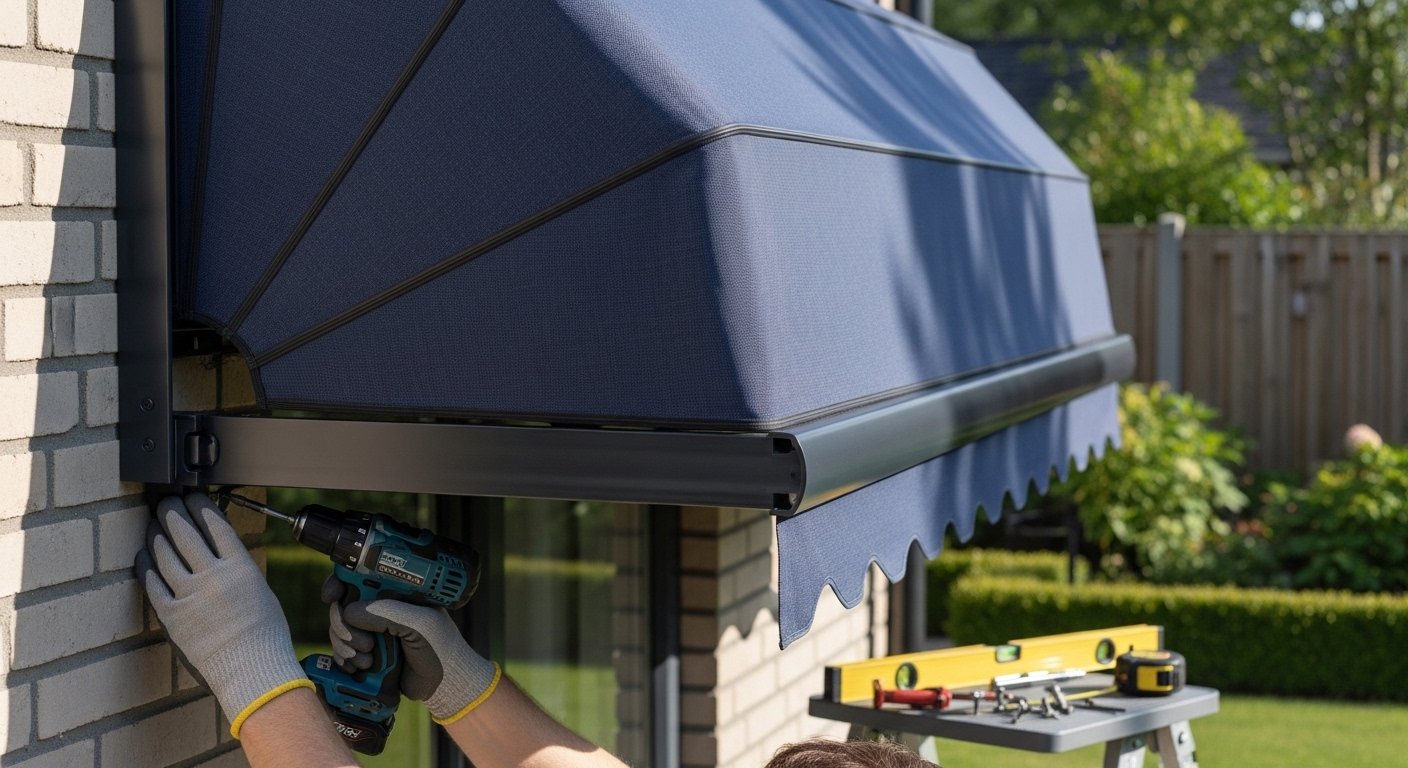
Awning Installation: A Complete Guide to Enhancing Comfort, Protection, and Property Value
Outdoor spaces have become an essential extension of modern homes and commercial properties, providing areas for relaxation, entertainment, and business activities. However, exposure to direct sunlight, heavy rain, and fluctuating weather conditions can limit the usability of patios, decks, windows, and storefronts. Awning installation offers a practical and aesthetically pleasing solution that enhances comfort, protects interiors, and increases overall property value. By adding shade and weather resistance, awnings create functional outdoor environments while also improving energy efficiency and visual appeal.
The process of installing an awning requires careful planning, proper material selection, and professional expertise to ensure durability and structural stability. Whether for residential or commercial purposes, awnings serve as protective coverings that reduce heat gain, shield furniture from fading, and provide shelter from rain. A well-executed awning installation not only improves comfort but also contributes to long-term cost savings and sustainable living.
Understanding Awning Installation and Its Purpose
Awning installation involves attaching a secondary covering to the exterior of a building, typically above windows, doors, patios, or walkways. These coverings are designed to provide shade and protection from environmental elements. Awnings can be fixed or retractable, depending on the desired level of flexibility and control.
The primary purpose of installing an awning is to reduce direct sunlight exposure, which can significantly impact indoor temperatures. By blocking solar heat before it enters through windows or doors, awnings help maintain cooler interiors and reduce reliance on air conditioning systems. This contributes to energy efficiency and lower utility bills.
In addition to temperature control, awnings protect outdoor furniture, flooring, and décor from UV damage and moisture. For commercial properties, awnings enhance storefront visibility, attract customers, and create welcoming entrances that stand out visually.
Types of Awnings Available for Installation
Choosing the right awning type is crucial to achieving optimal performance and aesthetic harmony with the property. Various styles and materials are available to suit different needs.
Fixed Awnings
Fixed awnings are permanently attached structures designed to provide continuous protection. They are commonly installed over windows, doors, and storefronts. Because they remain in place year-round, fixed awnings are typically made from durable materials such as metal frames with weather-resistant fabric or aluminum panels. These awnings offer consistent shade and structural stability.
Retractable Awnings
Retractable awnings provide flexibility, allowing users to extend or retract the covering as needed. They are ideal for patios, decks, and outdoor seating areas where adjustable shade is desirable. Motorized retractable awnings offer added convenience, enabling homeowners or business operators to control coverage with remote systems. This versatility makes retractable options a popular choice for modern properties.
Window and Door Awnings
Window and door awnings are smaller structures specifically designed to protect entry points and glass surfaces. These installations reduce glare, prevent heat buildup, and enhance exterior design. Properly installed window awnings can significantly reduce indoor cooling costs during warmer months.
Commercial Awnings
Commercial awning installation often focuses on branding and functionality. Businesses use customized awnings featuring logos, colors, and signage to create a strong visual presence. Beyond marketing benefits, commercial awnings protect customers from weather while entering or exiting the building.
Benefits of Professional Awning Installation
While some property owners may consider DIY installation, professional awning installation ensures safety, durability, and compliance with building standards.
Enhanced Energy Efficiency
By reducing direct sunlight exposure, awnings lower indoor temperatures and minimize heat gain. This decreases the workload on HVAC systems and reduces energy consumption. Over time, these savings offset the cost of installation and contribute to environmentally responsible living.
Increased Property Value
A well-designed awning enhances curb appeal and creates a visually appealing exterior. Prospective buyers often appreciate functional upgrades that improve comfort and aesthetics. Professional installation ensures that the awning complements architectural style and adds measurable value to the property.
Protection from Weather Elements
Rain, snow, and harsh sunlight can damage exterior surfaces and outdoor furnishings. Properly installed awnings shield these areas from weather exposure, extending their lifespan and reducing maintenance costs.
Expanded Usable Outdoor Space
For homeowners, awning installation transforms patios and decks into shaded retreats suitable for gatherings, dining, or relaxation. Businesses can expand seating areas for customers, creating comfortable outdoor environments that increase revenue opportunities.
The Awning Installation Process
The process of awning installation involves several essential steps to ensure structural integrity and long-term performance.
Initially, a site assessment is conducted to evaluate the mounting surface, available space, and environmental factors such as wind exposure. Accurate measurements are taken to determine appropriate awning size and placement.
Next, material selection is finalized. Fabric awnings are available in various colors and patterns, while metal or aluminum options offer enhanced durability. Choosing high-quality materials ensures resistance to fading, rust, and weather damage.
Mounting and installation require secure attachment to the building’s framework. Professional installers use specialized hardware and anchoring systems to guarantee stability. Proper alignment and tension adjustments are critical for retractable models to function smoothly.
Finally, a thorough inspection is performed to confirm structural soundness and operational functionality. Homeowners or business owners receive guidance on maintenance and usage to maximize longevity.
Cost Considerations for Awning Installation
The cost of awning installation varies based on size, type, materials, and customization. Retractable and motorized systems typically cost more than fixed options due to advanced mechanisms and technology. Custom designs with branding or specialty fabrics may also increase overall expenses.
While the initial investment may seem significant, the long-term benefits often outweigh the cost. Energy savings, reduced maintenance expenses, and increased property value contribute to a strong return on investment. Professional installation ensures proper execution, preventing costly repairs or replacements in the future.
Maintenance and Longevity
Regular maintenance is essential to preserve the appearance and functionality of awnings. Fabric surfaces should be cleaned periodically to remove dirt and debris. Metal frames require inspection for corrosion or loose hardware. Retractable systems benefit from occasional lubrication and operational checks to ensure smooth extension and retraction.
Professional maintenance services can extend the lifespan of awnings significantly. With proper care, high-quality awnings can last many years, providing consistent performance and visual appeal.
Common Challenges in Awning Installation
Improper installation can lead to structural instability, water pooling, or fabric sagging. Wind exposure is a critical factor, as poorly anchored awnings may sustain damage during storms. Professional installers evaluate load-bearing capacity and environmental conditions to prevent such issues.
Another challenge involves selecting materials that complement architectural design while meeting durability requirements. Consulting experienced professionals ensures that aesthetics and performance align effectively.
Sustainability and Modern Innovations
Modern awning installation increasingly incorporates sustainable materials and innovative technology. UV-resistant fabrics reduce fading and extend product lifespan, while eco-friendly manufacturing processes minimize environmental impact. Motorized awnings equipped with weather sensors can automatically retract during strong winds, enhancing safety and durability.
Smart integration allows property owners to control awnings via mobile applications, optimizing shade and energy efficiency. These advancements reflect a growing demand for convenience and environmentally conscious solutions.
Conclusion
Awning installation is a valuable investment that enhances comfort, protects property, and improves visual appeal. From residential patios to commercial storefronts, awnings provide shade, weather resistance, and energy efficiency. By selecting the appropriate type, materials, and professional installation services, property owners can ensure long-lasting performance and aesthetic harmony.
The benefits of awning installation extend beyond immediate comfort, contributing to energy savings, property value, and expanded outdoor usability. With proper planning, quality materials, and expert craftsmanship, an awning becomes more than a decorative feature; it becomes a functional enhancement that supports long-term property improvement and sustainable living.


How In-Home Care Services Provide Flexible, Personalized Support Tailored to Your Loved One’s Needs

Commercial Painting: The Ultimate Guide to Professional Painting Solutions for Businesses

Eco-Friendly Kitchen Remodel Ideas: Sustainable Materials and Energy Efficiency
