
HVAC & Cooling
AC Installation Step-by-Step: Selecting the Best System for Your Home and Ensuring Safe, Efficient Setup

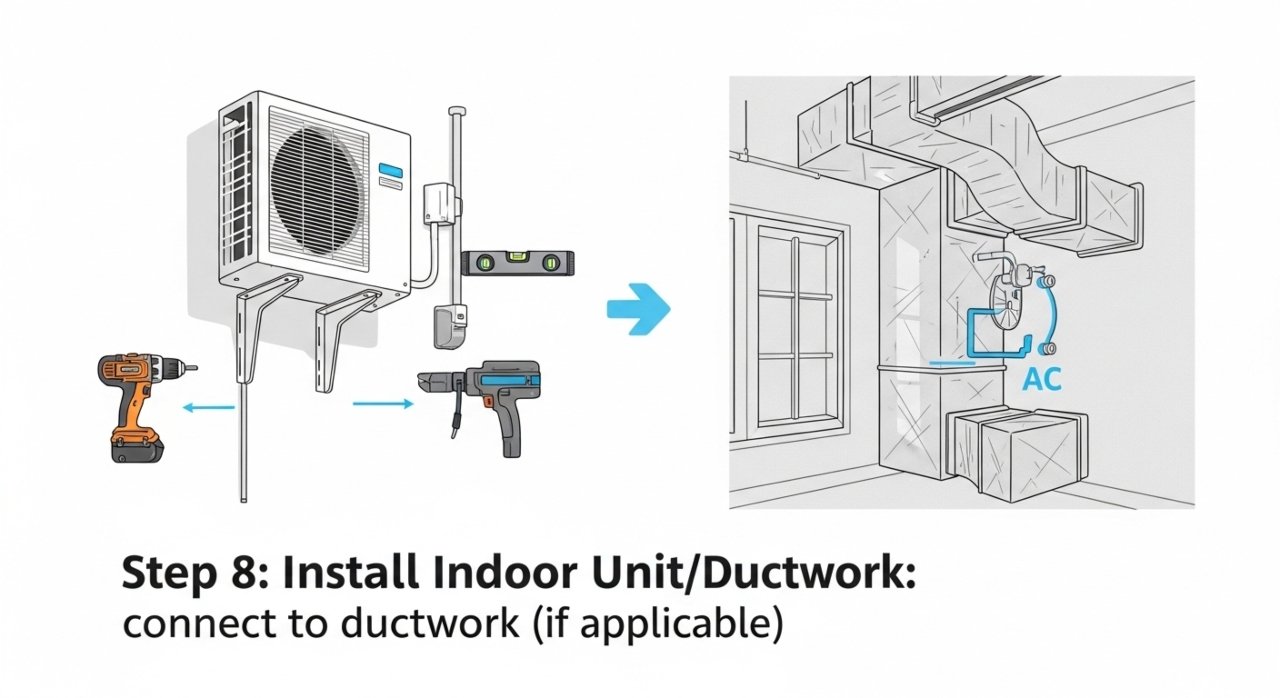
Air conditioning (AC) installation is a critical component in ensuring comfort, energy efficiency, and indoor air quality in homes and commercial spaces. With rising temperatures in many regions and the increasing demand for climate-controlled environments, selecting, installing, and maintaining an AC system has become more important than ever. Proper installation is not just about cooling; it affects the system’s efficiency, longevity, and safety, as well as overall energy consumption and costs. A professionally installed air conditioning system ensures optimal performance while reducing the risk of breakdowns, uneven cooling, and excessive utility bills.
AC installation involves a complex interplay of components, including the indoor unit, outdoor condenser, refrigerant lines, electrical connections, and control systems. Each element must be positioned and connected correctly to maximize airflow, efficiency, and safety. Poor installation can lead to problems such as refrigerant leaks, short cycling, compressor failure, and uneven temperature distribution, which not only reduce comfort but also increase long-term repair costs. Therefore, understanding the installation process, equipment selection, and maintenance requirements is essential for homeowners and businesses seeking reliable cooling solutions.
Understanding the Importance of Proper AC Installation
Proper AC installation goes beyond placing an air conditioner in a convenient location. It involves precise measurements, accurate load calculations, and correct placement of all components to ensure maximum efficiency and longevity. An improperly installed AC system can lead to a host of issues, including insufficient cooling, higher energy bills, frequent repairs, and even safety hazards such as electrical overload or refrigerant leaks.
Load calculation is one of the most crucial aspects of installation. This process assesses the size of the space, insulation quality, window orientation, occupancy, and heat-generating appliances to determine the appropriate capacity for the AC system. A system that is too small will struggle to maintain comfort, running continuously and causing premature wear, while an oversized system will cycle on and off too frequently, reducing efficiency and creating uneven cooling. Professional AC installation ensures that the system is sized correctly, connected properly, and optimized for the specific environment in which it operates.
Types of AC Systems and Their Installation Considerations
There are several types of air conditioning systems, each with unique installation requirements. Central air conditioning systems are common in larger homes and commercial buildings, involving a network of ducts that distribute cool air throughout the space. Installation requires careful planning to ensure proper duct layout, insulation, and sealing to prevent air leaks and maintain efficiency.
Split systems, including ductless mini-splits, consist of an indoor unit and an outdoor condenser connected by refrigerant lines. These systems are flexible, energy-efficient, and ideal for homes without existing ductwork. Proper installation involves mounting the indoor unit at the correct height and angle, routing refrigerant and drain lines efficiently, and ensuring secure electrical connections.
Window units and portable ACs offer simpler alternatives but still require attention to proper sealing, electrical compatibility, and ventilation. Regardless of the system type, following manufacturer guidelines, local codes, and safety standards is essential to ensure reliable performance and prevent damage to property or equipment.
The AC Installation Process
The AC installation process can be broken down into several essential steps, each requiring attention to detail and professional expertise.
- Site Assessment and Load Calculation
Before installation begins, a qualified technician evaluates the space, insulation, window orientation, and other factors to determine the correct system size and placement. Load calculations are performed to ensure the selected AC unit can provide adequate cooling without overworking. - Preparing the Installation Area
The indoor and outdoor locations are prepared to accommodate the AC components. This may include reinforcing walls, leveling surfaces for outdoor units, and clearing obstructions to ensure optimal airflow. Electrical circuits may need upgrades to handle the additional load safely. - Mounting and Connecting Units
Indoor units are securely mounted, ensuring proper airflow direction and clearance around the unit. Outdoor condensers are positioned to allow ventilation and maintenance access. Refrigerant lines, electrical wiring, and drainage systems are carefully routed and connected to avoid leaks, blockages, or interference. - Charging the System and Testing
Once all components are in place, the refrigerant is charged according to manufacturer specifications. The system is then tested for proper cooling performance, airflow, temperature balance, and electrical safety. Any issues identified during testing are corrected before completing the installation. - User Orientation and Maintenance Guidance
Finally, the homeowner or facility manager is instructed on system operation, including thermostat settings, energy-saving practices, and routine maintenance tasks. Clear guidance ensures the AC system is used effectively, maximizing comfort and efficiency.
Benefits of Professional AC Installation
Professional AC installation provides significant advantages over DIY or unlicensed installation. Experienced technicians ensure the system is sized correctly, installed safely, and optimized for energy efficiency. Proper installation reduces the likelihood of breakdowns, refrigerant leaks, and electrical hazards, enhancing system reliability and extending lifespan.
Additionally, professional installation often comes with warranties, insurance coverage, and documentation that may be required for building codes or insurance purposes. Technicians can also recommend complementary upgrades, such as programmable thermostats, zoning systems, or air quality enhancements, further improving comfort and efficiency. By investing in professional installation, homeowners and businesses gain peace of mind knowing their cooling system is safe, reliable, and operating at peak performance.
Common AC Installation Challenges
AC installation can encounter various challenges that require professional expertise. In older homes, electrical circuits may be insufficient to handle modern AC systems, necessitating upgrades or modifications. Space constraints, particularly for outdoor units or ductwork, can complicate placement and airflow considerations.
Improper sealing, refrigerant leaks, or misaligned components can compromise performance and efficiency, leading to uneven cooling, higher energy bills, and potential equipment damage. Installation in multi-story or commercial buildings may require specialized equipment, cranes, or structural reinforcements to position units safely. Addressing these challenges requires training, experience, and the right tools, highlighting the value of professional AC installation services.
Maintenance Considerations After Installation
Proper maintenance is critical to sustaining the efficiency and reliability of an AC system following installation. Routine tasks include cleaning or replacing filters, inspecting and cleaning coils, checking refrigerant levels, and ensuring electrical connections remain secure. Seasonal inspections and preventive maintenance help detect minor issues before they become major problems, saving money and extending the system’s lifespan.
Maintaining the outdoor condenser area is equally important. Keeping the surrounding area free of debris, vegetation, and obstructions ensures optimal airflow and prevents unnecessary strain on the compressor. Monitoring for unusual noises, odors, or performance changes allows for timely intervention and reduces the risk of unexpected breakdowns.
Conclusion
AC installation is a critical investment in comfort, energy efficiency, and indoor air quality. Whether for a home, office, or commercial facility, proper installation ensures optimal system performance, reduces energy costs, and extends equipment lifespan. Selecting the right system type, performing accurate load calculations, and engaging experienced professionals are essential steps in achieving reliable, effective cooling.
By understanding the installation process, adhering to safety standards, and committing to ongoing maintenance, property owners can maximize the benefits of their air conditioning system. Professional AC installation not only provides immediate comfort but also supports long-term efficiency, reliability, and peace of mind, making it a crucial component of any modern building’s infrastructure.



Window Repair: Maintaining Functionality, Efficiency, and Home Safety

Sewer Cleaning: Ensuring Efficient Waste Management and Safe Plumbing Systems

Homeowner’s Guide to Installing Gutters: How to Keep Your Roof, Siding, and Foundation Safe During Rainy Seasons

Subaru WRX STI discontinued … till further notice
What could have been: The incredible experimental engines that time forgot
