
Technology
Ammunitioning in Modern Defense Logistics and Strategy

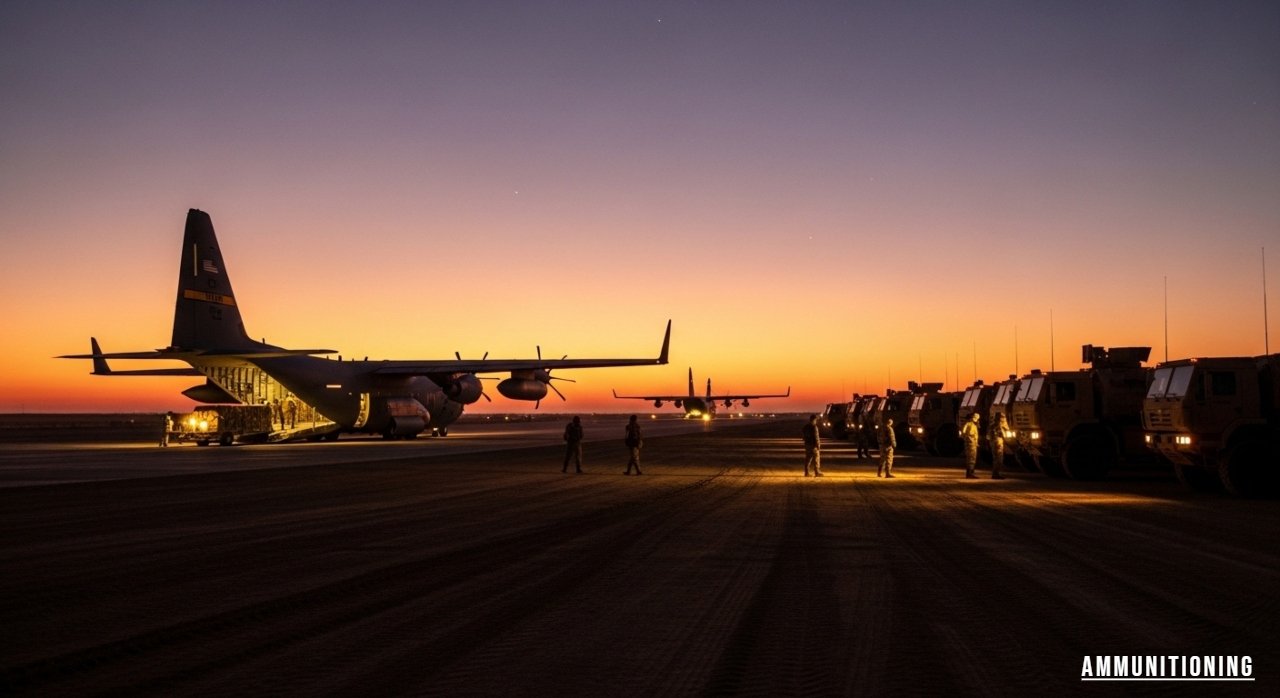
Ammunitioning plays an essential role in military readiness, national security planning, and defense logistics. While discussions about defense technology often focus on aircraft, vehicles, or advanced weapons systems, the systems that support them are equally important. Ammunitioning refers broadly to the planning, management, storage, distribution, and accountability of ammunition within military or security organizations.
Without proper ammunitioning practices, even the most advanced defense forces would struggle to function effectively. Ammunition must be available in the right quantity, at the right time, and in the right location. Achieving this balance requires careful coordination, strict safety standards, and modern logistical systems.
In today’s world, the concept has expanded beyond traditional stockpiling. Digital tracking, predictive analytics, and international regulations all influence how organizations manage ammunition resources. Understanding ammunitioning therefore provides insight into how modern defense systems maintain operational capability while prioritizing safety and accountability.
What Ammunitioning Means
At its core, ammunitioning is the organized management of ammunition throughout its lifecycle. This lifecycle typically includes manufacturing, transportation, storage, allocation, monitoring, and eventual disposal or demilitarization.
Military planners rely on ammunitioning systems to ensure that operational units receive appropriate supplies during training and missions. The process includes both strategic planning and day-to-day logistics. Strategic planning determines long-term needs, while operational logistics ensures supplies reach units efficiently.
A well-structured ammunitioning system usually focuses on several goals:
- Maintaining readiness without unnecessary stockpiles
- Ensuring safe storage and handling
- Tracking inventory accurately
- Supporting training and operations
- Meeting legal and international standards
Because ammunition can be hazardous and sensitive, the processes involved must be highly controlled and documented.
The Historical Development of Ammunitioning
The practice of organized ammunition supply dates back centuries. Early armies relied on simple storage depots and manual transport systems. However, as warfare technology advanced, the complexity of ammunitioning increased dramatically.
In the 18th and 19th centuries, centralized arsenals became common. Governments realized that standardized storage and distribution improved reliability during conflicts. Railways and industrial manufacturing further transformed how ammunition was produced and delivered.
During the 20th century, global conflicts accelerated innovation. Logistics networks expanded, and military organizations introduced structured ammunitioning doctrines. These systems addressed challenges such as rapid mobilization, overseas deployment, and large-scale supply chains.
Today, digital systems and data analysis have revolutionized the field. Modern defense organizations now integrate software platforms that track ammunition inventory in real time. This transformation has improved efficiency, reduced waste, and strengthened accountability.
The Role of Ammunitioning in Military Logistics
Logistics is the backbone of any defense force, and ammunitioning forms a major part of that structure. A unit cannot sustain operations without reliable access to ammunition resources. As a result, planning begins long before any mission starts.
Logistics teams calculate expected usage rates based on training, operational requirements, and contingency planning. These projections help determine stock levels and transportation needs. Ammunitioning specialists then coordinate with storage facilities, transport units, and command structures.
Several logistical factors influence this process:
- Transportation networks – Road, air, rail, and sea transport must be coordinated safely.
- Storage infrastructure – Facilities must meet strict safety and environmental standards.
- Inventory control – Tracking systems prevent shortages or overstocking.
- Operational timing – Supplies must arrive precisely when needed.
- Security – Ammunition must be protected from theft, damage, or misuse.
Through effective ammunitioning, defense organizations maintain readiness while minimizing logistical risks.
Storage and Safety Considerations
Safety is one of the most critical aspects of ammunition management. Improper storage can lead to accidents, environmental hazards, or security concerns. Because of this, ammunitioning procedures emphasize strict standards for facilities and handling.
Storage depots are typically designed with protective structures, controlled climates, and security systems. These facilities may include blast-resistant construction, separation distances, and monitoring equipment.
Personnel responsible for ammunitioning must follow detailed protocols when handling or transporting materials. Training ensures that staff understand safety procedures, hazard classifications, and emergency response measures.
Environmental considerations are also increasingly important. Governments and defense agencies must manage aging ammunition stocks responsibly. Disposal processes are regulated to reduce ecological impact and maintain public safety.
Technology Transforming Ammunitioning
Technological innovation has significantly improved how ammunition is tracked and managed. In the past, inventory records were often manual and prone to human error. Today, advanced systems allow organizations to monitor supplies with precision.
Modern ammunitioning often includes:
- Barcode or RFID tracking systems
- Automated inventory databases
- Predictive supply analytics
- Integrated logistics platforms
- Satellite-supported transportation monitoring
These tools help decision-makers anticipate shortages, identify inefficiencies, and optimize distribution networks.
Artificial intelligence and data analysis are also beginning to influence supply planning. By analyzing historical data and operational trends, planners can forecast demand more accurately and reduce unnecessary storage costs.
As technology continues to evolve, ammunitioning systems are expected to become even more efficient and transparent.
Ammunitioning and Training Operations
Military training exercises require consistent access to ammunition resources. Training programs simulate real-world conditions, which means planners must carefully allocate supplies.
Ammunitioning helps ensure that training remains effective while maintaining safety and accountability. Units receive controlled quantities based on training objectives and available resources. After exercises, unused supplies are inspected, recorded, and returned to storage when appropriate.
This structured approach provides several benefits:
- Prevents unnecessary waste
- Improves planning accuracy
- Maintains safety standards
- Supports realistic training environments
Training-related ammunitioning also provides valuable data. By studying usage patterns, planners can refine future logistics strategies.
International Regulations and Oversight
The management of ammunition is influenced by national laws and international agreements. Governments must comply with safety standards, export regulations, and arms control frameworks.
Ammunitioning systems therefore include documentation and oversight mechanisms that track how supplies move between facilities and organizations. Transparency helps reduce the risk of diversion, loss, or unauthorized distribution.
Many countries collaborate through international security initiatives to improve stockpile management. These initiatives often focus on:
- Safe storage practices
- Risk reduction measures
- Accountability standards
- Environmental protection
Through cooperation and regulation, modern ammunitioning contributes to global stability and responsible defense management.
Challenges Facing Modern Ammunitioning
Despite technological progress, several challenges continue to affect ammunition management systems. One major issue is the aging of stored materials. Over time, ammunition components can deteriorate, requiring inspection, maintenance, or disposal.
Budget constraints can also influence supply planning. Maintaining readiness while controlling costs requires careful forecasting and efficient logistics.
Other challenges include:
- Supply chain disruptions
- Infrastructure limitations
- Security threats
- Rapid technological changes
- Environmental responsibilities
Addressing these issues requires constant adaptation and investment in improved systems.
The Future of Ammunitioning
Looking ahead, the future of ammunitioning will likely be shaped by digital transformation and international cooperation. Defense organizations are exploring new ways to integrate logistics, analytics, and automation.
Smart storage facilities, real-time supply networks, and predictive planning tools may soon become standard. These innovations aim to increase efficiency while reducing risk and cost.
Sustainability is also gaining importance. Future systems may prioritize environmentally responsible disposal methods and improved lifecycle management.
Another emerging trend is multinational collaboration. As global security challenges evolve, allied nations often coordinate logistics and supply strategies. Effective ammunitioning will therefore remain essential to joint operations and shared defense initiatives.
Conclusion
Ammunitioning is far more than simply storing supplies. It represents a complex system that supports military readiness, operational planning, and international security. From historical arsenals to modern digital tracking systems, the field has evolved alongside advances in technology and logistics.
Effective ammunitioning ensures that defense forces remain prepared while maintaining strict safety and accountability standards. It connects manufacturing, transportation, storage, and strategic planning into a single coordinated process.
As the global security environment continues to change, the importance of efficient supply systems will only grow. By investing in modern infrastructure, training, and technology, organizations can ensure that ammunitioning continues to support stability, preparedness, and responsible defense management.



Jeroen Dik: VAG Tuning Expert & Racing Champion

“Xaicotum: Technology, Superfood & Cultural Insights”

Jiolojia: Understanding Geology and Earth’s Rocks

Subaru WRX STI discontinued … till further notice
What could have been: The incredible experimental engines that time forgot
