
Blog
Comprehensive Guide to Effective Termite Treatment for Long-Term Property Protection

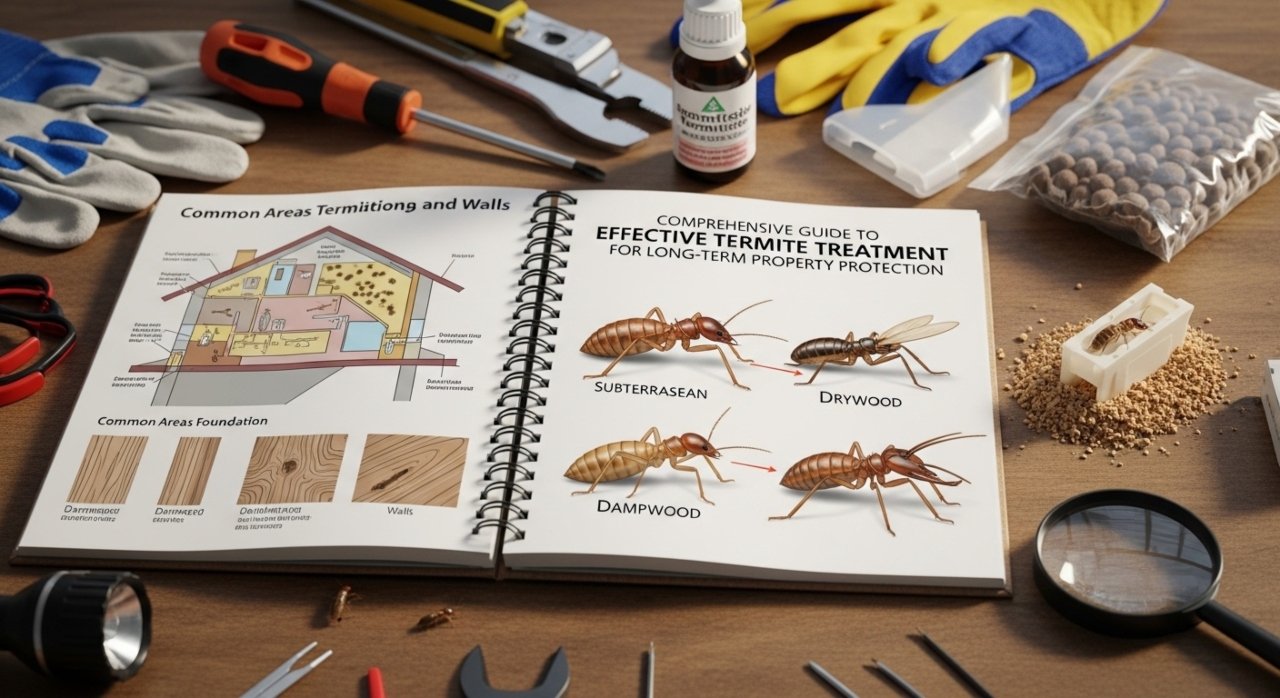
Termites are among the most destructive pests that can infest homes, offices, and wooden structures, often causing damage that is difficult to detect until it has reached an advanced stage. Unlike other pests, termites work silently, consuming wood, paper, and cellulose-based materials in a manner that compromises structural integrity over time. The presence of termites can lead to severe financial consequences because repairs and replacements of damaged wood, beams, and flooring are often costly and labor-intensive. Engaging a professional termite treatment is essential to prevent ongoing damage, protect the safety of inhabitants, and ensure the long-term durability of buildings. This article provides an in-depth exploration of termite behavior, early signs of infestation, treatment methods, preventive strategies, and guidance on selecting the right professional service for reliable and long-lasting results.
Understanding Termites and the Risks They Pose to Homes and Structures
Termites are highly social insects that live in organized colonies and feed primarily on cellulose, which is abundant in wood, paper, and other plant-derived materials. They remain hidden for extended periods, often causing structural deterioration before their activity is detected, which is why early intervention is crucial. A comprehensive termite treatment focuses not only on eradicating existing colonies but also on preventing reinfestation. Termites weaken essential structural components such as beams, flooring, and framing, and the damage can compromise safety, increase repair costs, and reduce property value. Because termite activity is typically invisible and slow-moving, professional inspections and treatment are indispensable for mitigating the long-term risks associated with these pests.
Early Signs of Termite Infestation That Require Immediate Attention
Identifying termite infestations promptly is critical for effective control. Common indicators of termite activity include hollow-sounding wood, the appearance of mud tubes along walls or foundations, and the presence of discarded wings from swarmers, which are winged termites that emerge during mating periods. Additional signs may include small piles of droppings, also known as frass, and unexplained weakening of wooden furniture, flooring, or structural beams. These signs often indicate that termites have established colonies within or near a property. Recognizing such early warning signs allows homeowners and building managers to seek professional termite treatment before infestations escalate and cause extensive damage that requires significant repair or replacement.
Different Methods of Termite Treatment
The methods used in termite treatment are varied and are selected based on the type of termite, severity of the infestation, and characteristics of the affected structure. Liquid termiticides are applied to soil surrounding a building to create a chemical barrier that either repels or kills termites before they can reach wooden structures, providing long-term protection. Baiting systems involve strategically placing stations containing attractants and slow-acting toxins, which worker termites consume and share within the colony, gradually eliminating the entire population. Direct chemical treatments target localized infestations within wooden structures, such as beams, furniture, or framing, by injecting termiticides directly into affected areas. In more severe cases, fumigation may be necessary, wherein the entire structure is enclosed and exposed to gaseous termiticides that penetrate wood and eradicate termites throughout the building. Preventive measures such as using termite-resistant wood or installing physical barriers during construction can also form part of a comprehensive termite management strategy.
Benefits of Professional Termite Treatment
Professional termite treatment offers advantages that cannot be achieved through DIY methods or over-the-counter solutions. Expert technicians have the knowledge to accurately identify the termite species, assess the extent of the infestation, and implement treatment methods that are both effective and safe. They utilize specialized equipment and industry-grade products that provide long-term results, often including follow-up inspections and ongoing monitoring to ensure continued protection. Professional services also provide guidance on preventive measures that reduce the risk of future infestations, ensuring that the building remains safe and structurally sound over time. By relying on experienced professionals, property owners can avoid repeated infestations, costly repairs, and the frustration of ineffective home remedies.
Preventive Measures to Reduce the Risk of Termite Infestations
While professional termite treatment is essential for eliminating existing infestations, preventive measures are equally important to protect property from future threats. Controlling moisture is a primary consideration because termites thrive in damp conditions; repairing leaks, ensuring proper drainage, and reducing soil moisture around foundations are effective measures. Routine inspections by trained professionals allow for the early detection of termite activity and the identification of potential vulnerabilities in the property. Avoiding direct contact between soil and wooden structures, removing wood debris such as stumps, firewood, and discarded lumber from around buildings, and using termite-resistant materials during construction or renovations all contribute to reducing the likelihood of infestation. These preventive steps, combined with professional intervention, form a comprehensive strategy for long-term termite control.
Health and Environmental Considerations
An effective termite treatment plan must also prioritize human health and environmental safety. Professional services ensure that chemical treatments are applied precisely and in compliance with safety regulations, minimizing risks to inhabitants, pets, and the surrounding ecosystem. Eco-friendly products, controlled application methods, and targeted baits reduce environmental impact while maintaining effectiveness in controlling termite populations. Sustainable termite management practices are increasingly emphasized in modern pest control, demonstrating that eradication of destructive pests does not need to come at the expense of environmental health or safety.
Choosing the Right Termite Treatment Service
Selecting a reliable and professional termite treatment service is critical for achieving lasting results. Key considerations include the company’s experience, certifications, and proven track record in managing infestations of various termite species. A reputable service provides a detailed inspection, customized treatment plan, and follow-up monitoring to ensure that colonies are eliminated and reinfestation is prevented. Customer reviews and testimonials can provide insight into the service’s reliability, professionalism, and effectiveness. Professionals who offer tailored solutions rather than standardized treatments are better equipped to protect structures from future termite activity and to provide peace of mind to property owners
Conclusion
Termites are a destructive and often invisible threat to homes, commercial buildings, and wooden structures, and their presence can result in substantial damage and financial loss if left untreated. Timely intervention through professional termite treatment is essential to safeguard structural integrity, prevent extensive damage, and ensure a safe environment for occupants. Recognizing early signs of infestation, understanding treatment options, implementing preventive measures, and selecting a reliable service are all critical steps in managing termite risks effectively. By combining expert intervention with ongoing preventive strategies, property owners can protect their investments, maintain safety, and enjoy long-term peace of mind. Investing in professional termite treatment is not simply a precaution; it is a necessary and strategic approach to controlling one of the most persistent and destructive pests that threaten wooden structures.


Flixbaba: Movies & TV Show Guide App Overview

Ulieden: Meaning of the Archaic Dutch Pronoun

Opel Meaning: Brand, Name & Automotive Insights

Subaru WRX STI discontinued … till further notice
What could have been: The incredible experimental engines that time forgot
