
Home improvement
Emergency Roof Tarping: Essential Strategies for Protecting Storm-Damaged Roofs

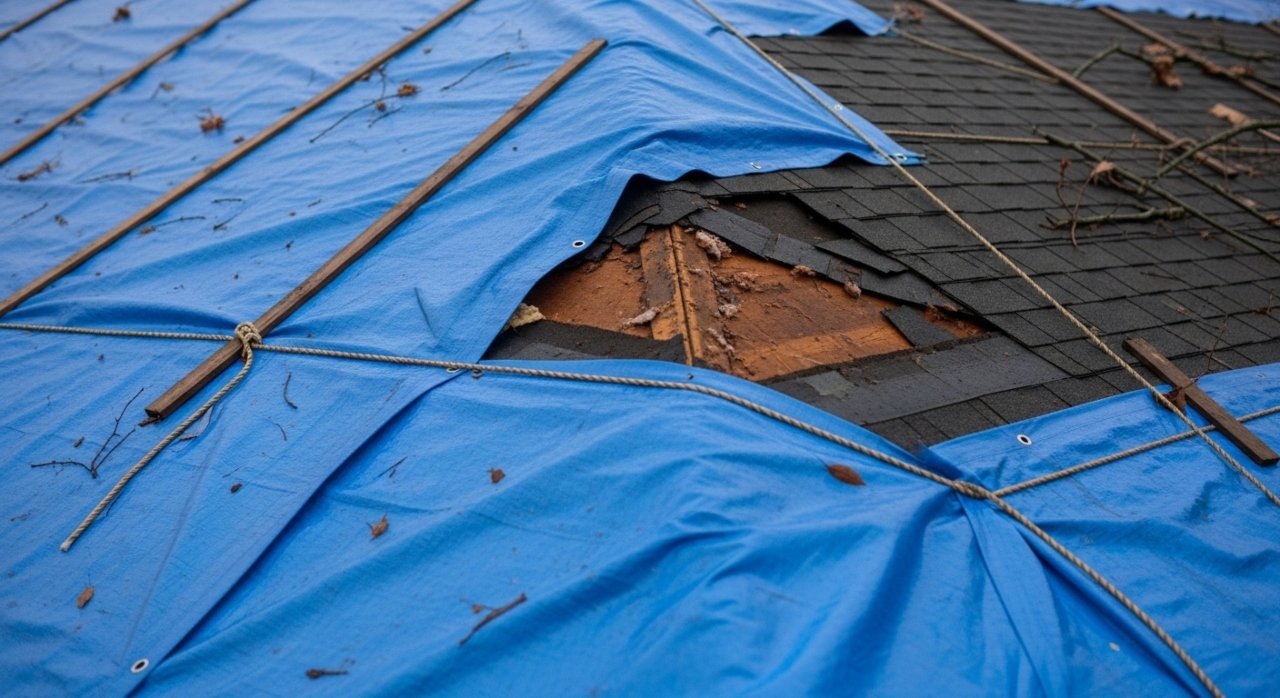
Severe weather can strike unexpectedly, leaving roofs compromised and buildings exposed to the elements. High winds, heavy rainfall, hailstorms, or fallen trees can all cause sudden damage that threatens the structural integrity of a property and creates immediate risk of water intrusion, interior damage, and long-term deterioration. In such situations, emergency roof tarping serves as a vital, short-term solution that stabilizes the property until permanent repairs can be performed. Beyond simply covering a damaged area, emergency roof tarping is a strategic intervention that protects against additional damage, reduces repair costs, and provides peace of mind to homeowners and property managers alike. Understanding the purpose, materials, methods, and professional approaches for emergency tarping is essential for anyone responsible for property maintenance, particularly in regions prone to storms or unpredictable weather events.
Emergency roof tarping is far more than a temporary cosmetic measure. When roofing materials are compromised, even a small opening can allow water to infiltrate ceilings, walls, insulation, and structural supports, creating damage that is often costly and difficult to reverse. Immediate protection with a durable tarp can prevent water damage, reduce the risk of mold growth, and maintain the building’s overall structural stability. Acting quickly after roof damage is essential because prolonged exposure to rain, wind, or debris can exacerbate the problem, resulting in more extensive repairs, higher costs, and potential safety hazards for occupants. In many cases, the first step in mitigating storm damage and facilitating insurance claims is deploying an effective emergency tarp that shields the roof until a professional roofing company can conduct a thorough assessment.
Understanding the Importance of Emergency Roof Tarping
The need for emergency roof tarping arises whenever a roof is suddenly compromised and immediate protection is required. While minor leaks or cosmetic damage can sometimes wait for scheduled repair, damage caused by storms or fallen debris presents urgent risks. Once shingles are torn away, flashing is displaced, or punctures appear in roofing material, the exposed areas become susceptible to water infiltration, which can rapidly lead to interior damage, rotted decking, and mold growth. By installing a temporary tarp, property owners create a protective barrier that stabilizes the situation, keeps rainwater out, and provides time for a professional roofing company to evaluate and repair the damage. Additionally, temporary tarping often serves as a key step in the insurance claims process, demonstrating that proactive measures were taken to prevent further property loss, which can influence coverage decisions and claim settlements.
Emergency tarping is particularly important in preserving the long-term health of a roof. Without immediate intervention, water infiltration can compromise insulation and cause structural components such as joists and decking to weaken over time. Even if the damage initially appears minor, unprotected roofs are vulnerable to progressive deterioration. By understanding the necessity of rapid response and proper tarping techniques, property owners can protect their investment and minimize disruption caused by storm damage or other unforeseen roof incidents.
Situations That Require Emergency Roof Tarping
Emergency roof tarping is typically deployed following events that cause sudden and potentially severe roof damage. Storms are among the most common causes, with high winds capable of lifting shingles, loosening flashing, or exposing underlayment. Hailstorms can puncture roofing materials, and torrential rain following these events can quickly penetrate compromised areas, creating leaks and interior damage. Fallen trees or large branches also pose a serious threat, often puncturing or collapsing sections of a roof, particularly on older or weakened structures. In such cases, emergency tarping provides a protective cover that prevents rainwater from entering the building while repairs are scheduled.
Even unanticipated leaks that appear during rainfall can necessitate emergency tarping. Sometimes damage is not visible until water enters the interior, saturating insulation or ceilings. Accidental damage from construction, fire, or mechanical failure can similarly leave sections of a roof exposed, making tarping an immediate necessity. Regardless of the cause, the common factor is the need for rapid intervention to minimize property loss and preserve structural integrity. In each scenario, a professionally installed tarp ensures that the roof is protected from further environmental stress while repair work is planned and executed.
Materials and Techniques for Effective Roof Tarping
The effectiveness of emergency roof tarping depends on proper material selection and installation techniques. High-quality polyethylene tarps are widely used due to their durability, waterproof properties, and resistance to UV degradation. Tarps come in a range of thicknesses, with heavier-duty options providing longer-lasting protection and greater resistance to wind uplift. Reinforced tarps, which include strengthened edges and grommets, are particularly useful for areas prone to high winds or prolonged exposure. Securing the tarp correctly is equally important; this may involve nails, screws, ropes, or bungee cords strategically placed to avoid creating additional punctures or stress points on the remaining roof. Protective padding or boards may also be used in areas where roofing material is fragile, ensuring that the tarp does not cause further damage during installation.
The process of installing an emergency tarp begins with a careful assessment of safety and roof condition. Damaged areas, loose shingles, and debris must be cleared to create a stable surface for the tarp. The tarp is then positioned to cover the compromised section fully, extending beyond edges to direct water away from interior areas. Edges are anchored securely, and overlaps are used for larger roofs or when multiple tarps are required. The final step involves inspection to ensure that no gaps remain and that the tarp is stable and capable of withstanding wind and rain until permanent repairs are completed.
Benefits of Professional Emergency Roof Tarping
While some homeowners attempt DIY tarping, hiring a professional roofing company provides several advantages. Safety is paramount, as working at heights on a damaged roof is inherently risky. Professionals have the equipment, training, and experience to install tarps efficiently and securely, minimizing the risk of accidents. A roofing company also knows which type of tarp and fastening method is best suited to the specific roof material and damage type, ensuring optimal protection. Professional installation is typically faster, reducing the time the interior of the building is exposed to the elements, and many companies provide documentation that can support insurance claims by showing that immediate protective measures were taken. Moreover, professional crews can coordinate the emergency tarping with subsequent repair planning, ensuring a seamless transition from temporary protection to permanent restoration.
Limitations of Emergency Roof Tarping
Although emergency tarping is highly effective, it is important to understand its limitations. A tarp is a temporary solution and cannot replace permanent repairs. Prolonged exposure to UV light, heavy rain, or wind can degrade the tarp or compromise its effectiveness, and underlying structural damage may still progress if not addressed promptly. Emergency tarping does not repair punctures, leaks, or weakened support structures—it only provides temporary protection. Therefore, it should always be followed by a comprehensive professional assessment and repair plan to ensure long-term roof integrity and building safety.
Emergency Tarping With Long-Term Roof Repair
Emergency tarping is most beneficial when used as part of a coordinated roof repair strategy. After the tarp is installed, a professional roofing company will inspect the roof thoroughly, identify all areas of damage, and recommend appropriate repairs, which may include shingle replacement, flashing repair, structural reinforcement, or full roof replacement if necessary. By combining temporary protection with permanent repairs, property owners can prevent further damage, restore energy efficiency, and maintain the roof’s ability to withstand future storms. This approach also preserves property value and minimizes disruptions caused by ongoing damage or emergency interventions.
Post-Tarping Maintenance and Monitoring
Even after a tarp is in place, ongoing monitoring is essential. Property owners should inspect the tarp regularly for signs of loosening, water pooling, or wind damage, especially after severe weather events. Any issues should be addressed immediately to prevent water infiltration. Temporary tarps should never remain in place for extended periods; prolonged exposure can cause wear to the underlying roofing material and compromise the effectiveness of subsequent repairs. Professional roofing companies can provide guidance and monitoring services during this interim period, ensuring that the roof remains protected until permanent restoration is complete.
Conclusion
Emergency roof tarping is a crucial intervention following sudden roof damage. It protects against water intrusion, minimizes interior damage, and stabilizes compromised structures, providing time for thorough assessment and permanent repair. While tarping is a temporary measure, it plays a critical role in preserving property value, maintaining safety, and supporting insurance claims. Hiring a professional roofing company ensures that tarps are installed safely, efficiently, and effectively, maximizing the benefits of this temporary protection. By integrating emergency tarping with long-term repair planning and ongoing monitoring, property owners can respond proactively to storm damage, prevent further deterioration, and maintain the integrity of their roofs and buildings over time.
In today’s world of increasingly unpredictable weather events, understanding the purpose, process, and benefits of emergency roof tarping empowers property owners to act quickly and protect their investments. Proper materials, expert installation, and timely follow-up repairs turn a potentially disastrous situation into a manageable one, preserving both the safety of occupants and the long-term value of the property.



Window Repair: Maintaining Functionality, Efficiency, and Home Safety

Sewer Cleaning: Ensuring Efficient Waste Management and Safe Plumbing Systems

Homeowner’s Guide to Installing Gutters: How to Keep Your Roof, Siding, and Foundation Safe During Rainy Seasons

Subaru WRX STI discontinued … till further notice
What could have been: The incredible experimental engines that time forgot
