
Home improvement
Is It Time for a New Roof? A Complete Roof Replacement Guide for Homeowners

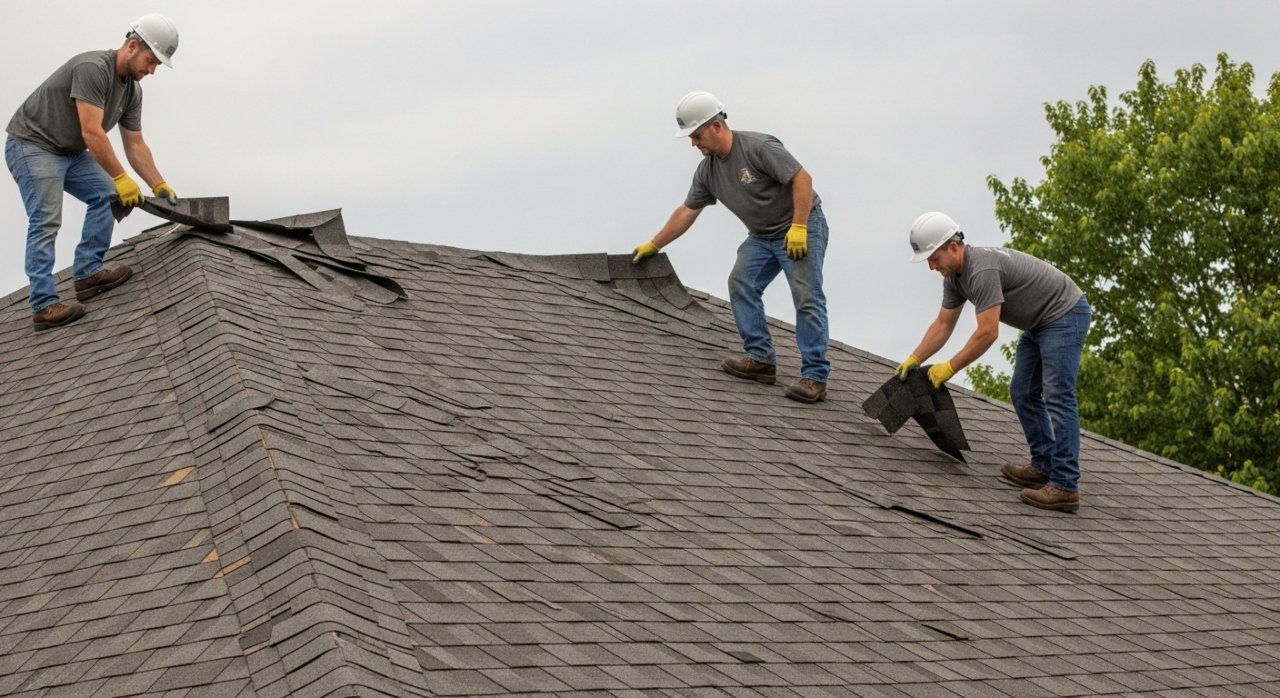
The Importance of Roof Replacement
Your home’s roof is not merely a protective covering; it is one of the most critical elements of your property, providing shelter, insulation, and structural integrity. Over the years, even the most durable roofing materials are subject to wear and tear caused by sun, rain, snow, wind, and temperature fluctuations. While minor issues might appear insignificant at first, they often escalate into serious problems such as leaks, mold growth, or damage to the underlying structure, which can lead to costly repairs. Understanding when a roof replacement is necessary and planning for it strategically can save homeowners significant financial and emotional stress. Roof replacement is not only about aesthetics; it directly impacts the safety, efficiency, and value of a home, making it an essential consideration for anyone looking to maintain their property effectively. By proactively identifying issues and addressing them through a proper roof replacement, homeowners ensure that their homes remain safe, energy-efficient, and structurally sound for decades to come.
Choosing the Right Roofing Material
The first step in planning a roof replacement is understanding the various types of materials available and their respective benefits. Asphalt shingles are among the most widely used roofing materials due to their affordability, ease of installation, and versatility in design. Metal roofing is increasingly popular for its longevity, energy efficiency, and resistance to harsh weather conditions. Slate and clay tiles offer a premium look and long-lasting durability but require a higher initial investment and additional structural support due to their weight. Selecting the right roofing material is a balance between budget, design preference, durability, and local climate considerations, as some materials perform better under specific weather conditions. Homeowners should carefully evaluate the lifespan and maintenance requirements of each material to make an informed decision that aligns with their long-term plans for the property. A well-chosen roof not only enhances the overall appearance of the home but also contributes to energy savings and reduces the likelihood of structural issues over time.
Signs Your Roof Needs Replacement
Recognizing the signs that indicate a roof replacement is necessary is critical for homeowners who want to avoid extensive damage. One of the most evident indicators is visible shingle damage, including cracks, curling, and missing shingles, which compromise the roof’s ability to repel water effectively. Water stains or active leaks inside the home, particularly in ceilings or attics, are clear warnings that the roof is failing. Sagging or uneven rooflines often signal structural problems caused by prolonged exposure to water or deteriorated underlayment, and they should be addressed promptly to prevent further damage. Additionally, excessive granule loss on asphalt shingles, which often accumulates in gutters, is a sign of aging materials, and it typically precedes more severe deterioration. The age of the roof itself is also a vital factor, as most roofing materials have a defined lifespan, ranging from 20 to 30 years for asphalt shingles and up to 50 years or more for metal, slate, and clay tiles. Paying attention to these warning signs enables homeowners to plan a roof replacement proactively, reducing the risk of emergency repairs and protecting the home’s structural integrity.
Factors to Consider Before a Roof Replacement
Several factors influence the timing and scope of a roof replacement. The expected lifespan of the roofing material is a primary consideration, as different materials deteriorate at different rates. Homeowners must also consider climate and weather patterns, as areas exposed to extreme heat, heavy rainfall, snow, or wind are more prone to accelerated roof wear. Another important factor is the potential impact on home value, as a new roof can significantly enhance curb appeal and resale value. Energy efficiency considerations play a crucial role as well, since modern roofing materials often provide improved insulation and reflective properties that can lower heating and cooling costs. Structural integrity is an additional concern, especially for older homes, which may require reinforcement of roof decking, rafters, or trusses during replacement. By evaluating these factors carefully, homeowners can make strategic decisions that maximize both the performance and longevity of their new roof while minimizing future maintenance costs.
Understanding the Roof Replacement Process
The roof replacement process involves several detailed steps that must be executed with precision to ensure optimal results. The first step is a thorough inspection and assessment by a professional contractor, who evaluates the roof’s condition, identifies damaged areas, and determines whether a full replacement is necessary. Following this assessment, homeowners select the appropriate materials based on budget, aesthetic preferences, and performance requirements. The next stage involves removing the existing roof, including shingles, underlayment, and any compromised structural components. Proper disposal of old materials is essential for environmental compliance and site safety. Once the old roof is removed, any damaged decking or structural issues must be repaired or reinforced to provide a stable foundation for the new roof. The installation phase includes laying down a protective underlayment, which serves as an additional moisture barrier, followed by the new roofing materials. Proper alignment, fastening, and sealing are critical to ensuring durability and weather resistance. After installation, flashing, vents, and gutters are installed or upgraded as necessary, completing the system and providing optimal protection. The final step involves a comprehensive inspection to verify quality workmanship, followed by maintenance guidance to help homeowners preserve the lifespan of their new roof.
Cost Considerations for Roof Replacement
Cost considerations are an essential part of planning a roof replacement, as the total expense varies depending on the chosen materials, roof size, labor costs, and project complexity. Asphalt shingles are generally the most affordable option, while metal, slate, and clay tile roofs require a higher initial investment due to material costs and more specialized installation requirements. Additional factors that may influence costs include the roof’s pitch, accessibility, and the presence of multiple layers of existing shingles that need removal. While the upfront investment for a roof replacement can be significant, the long-term benefits often outweigh the costs. A new roof reduces the need for ongoing maintenance, prevents potential water damage and structural deterioration, and increases energy efficiency. Furthermore, it enhances the home’s marketability and resale value, making roof replacement not just a repair but a strategic investment in the property’s long-term performance and value.
Maintenance After Roof Replacement
Proper maintenance after a roof replacement is essential to protect the investment and extend the roof’s lifespan. Homeowners should schedule regular inspections to identify debris accumulation, signs of damage, or minor issues that could escalate if left unattended. Cleaning gutters and downspouts to prevent water backup is a simple yet crucial step in preserving roof integrity. Overhanging branches should be trimmed to reduce the risk of damage from falling limbs, and minor repairs should be addressed promptly to avoid larger, more costly problems. Professional inspections every few years help catch potential issues early, ensuring the roof continues to perform as intended. A well-maintained roof not only safeguards the home but also maximizes the return on investment by reducing repair costs and enhancing durability over time.
Conclusion
A roof replacement is a critical undertaking that protects a home, ensures energy efficiency, and preserves structural integrity. Homeowners must recognize the signs of wear, understand the factors influencing replacement decisions, and follow a systematic process to achieve a long-lasting, high-performing roof. By selecting appropriate materials, addressing underlying structural concerns, and maintaining the roof post-installation, a roof replacement becomes a proactive investment in the safety, comfort, and value of the home. Acting early and choosing the right roofing solution prevents extensive damage, reduces long-term costs, and provides peace of mind. Roof replacement is more than a simple repair; it is a strategic measure to safeguard a home for the future, ensuring that it continues to offer protection, aesthetic appeal, and efficiency for decades to come.



Jeroen Dik: VAG Tuning Expert & Racing Champion

“Xaicotum: Technology, Superfood & Cultural Insights”

Jiolojia: Understanding Geology and Earth’s Rocks

Subaru WRX STI discontinued … till further notice
What could have been: The incredible experimental engines that time forgot
