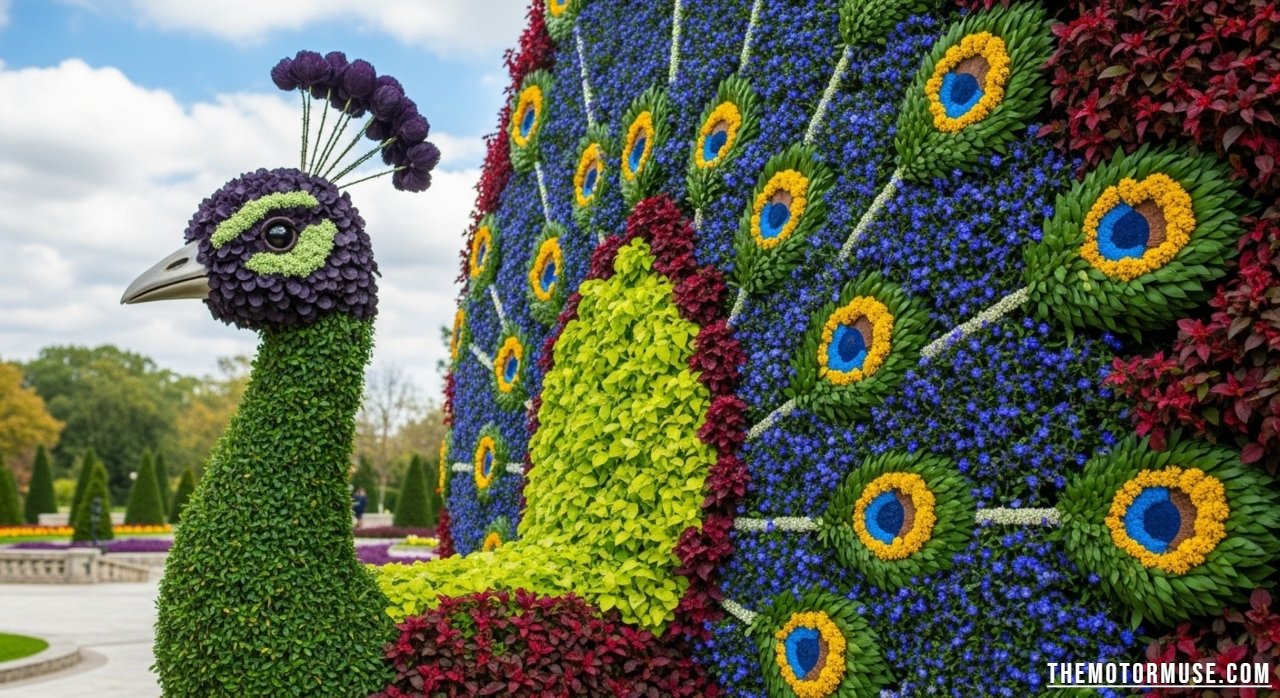
Over the years, mosaiculture has gained global popularity due to its ability to merge creativity with sustainability. Cities and botanical gardens use it not only for aesthetic appeal but also to promote environmental awareness and cultural storytelling.
History and Evolution
The roots of mosaiculture can be traced back to the ancient practice of topiary, where plants were trimmed into geometric or figurative shapes. However, mosaiculture evolved into a more complex art form in the 19th century, particularly in Europe. Gardeners began experimenting with wire frames filled with soil and planted with colorful vegetation, allowing for more detailed and realistic designs.
In the 20th and 21st centuries, this art form expanded globally, with large-scale exhibitions showcasing massive installations that combine engineering, botany, and artistic expression. Today, it is a signature feature in international garden festivals and urban beautification projects.
Key Elements of Mosaiculture
Creating mosaiculture involves several essential components that work together to achieve the final artistic result:
1. Structural Framework
A strong internal structure is the backbone of every piece. Typically made from metal, this framework defines the shape and ensures stability. It must be durable enough to support soil, plants, and environmental factors like wind and rain.
2. Growing Medium
Inside the framework, a growing medium such as soil or sphagnum moss is used. This medium provides nutrients and moisture for the plants while helping maintain the form of the sculpture.
3. Plant Selection
The choice of plants is crucial. Designers select species based on color, texture, growth rate, and climate compatibility. Commonly used plants include succulents, mosses, and low-growing foliage plants that can be easily shaped and maintained.
4. Irrigation System
Since these installations often have complex shapes, an efficient irrigation system is necessary. Drip irrigation is commonly used to ensure consistent watering without damaging the design.
Design Process
Creating mosaiculture is a multi-step process that requires both artistic vision and technical expertise.
Concept Development
The process begins with a concept or theme. Designers may draw inspiration from nature, culture, history, or current events. Sketches and digital models are often created to visualize the final design.
Framework Construction
Once the design is finalized, the metal framework is built according to precise measurements. This step requires engineering accuracy to ensure the structure is both strong and proportionally correct.
Planting and Installation
After filling the structure with the growing medium, plants are carefully inserted into the framework. This step demands patience and precision, as each plant contributes to the overall appearance.
Maintenance
Maintenance is ongoing and essential. Regular watering, trimming, and replacement of plants ensure the sculpture remains vibrant and intact over time.
Benefits of Mosaiculture
Aesthetic Appeal
One of the most obvious benefits is its visual impact. Mosaiculture installations are eye-catching and can transform ordinary spaces into extraordinary environments.
Environmental Benefits
These living sculptures contribute to urban greenery, improve air quality, and support biodiversity. They also help reduce heat in urban areas by providing natural cooling.
Educational Value
Mosaiculture serves as an educational tool, teaching people about plant species, sustainability, and the importance of green spaces.
Cultural Expression
Many installations reflect cultural themes or tell stories, making them a powerful medium for artistic and cultural expression.
Applications in Modern Landscaping
Public Parks and Gardens
Cities often use mosaiculture to enhance public parks and botanical gardens. These installations attract visitors and promote tourism.
Exhibitions and Festivals
International garden festivals frequently feature mosaiculture as a highlight. These events showcase innovative designs and push the boundaries of what is possible.
Commercial Spaces
Shopping malls, hotels, and corporate campuses use mosaiculture to create unique and memorable environments that attract customers and visitors.
Urban Development Projects
In urban planning, mosaiculture is used to beautify streets, roundabouts, and public squares, contributing to a city’s identity and appeal.
Challenges in Mosaiculture
High Maintenance
Maintaining these installations requires continuous care, including watering, pruning, and pest control. Without proper maintenance, the design can quickly deteriorate.
Cost
The materials, labor, and upkeep involved can be expensive. This makes mosaiculture more common in public or high-budget projects.
Climate Limitations
Certain plants may not thrive in all climates, which can limit design possibilities. Designers must carefully select species suited to local conditions.
Technical Expertise
Creating mosaiculture requires a combination of skills in horticulture, engineering, and design. This makes it a specialized field.
Future Trends
Sustainable Practices
As environmental concerns grow, designers are focusing on eco-friendly materials and water-efficient irrigation systems. Sustainable mosaiculture is becoming a priority.
Technological Integration
Advancements in technology are influencing design and maintenance. Digital modeling, automated irrigation, and even smart monitoring systems are being used to improve efficiency.
Increased Popularity
With rising interest in green spaces and urban beautification, mosaiculture is expected to become more widespread. Cities are increasingly investing in such projects to enhance quality of life.
Creative Innovation
Artists and designers continue to push boundaries, creating more complex and interactive installations. The future of mosaiculture lies in blending art, nature, and technology in new and exciting ways.
Tips for Beginners
Start Small
Beginners should start with simple designs to understand the basics before attempting complex structures.
Choose the Right Plants
Selecting low-maintenance and climate-appropriate plants can make the process easier and more successful.
Focus on Maintenance
Regular care is essential. Even small installations require consistent attention to remain healthy and attractive.
Learn from Experts
Studying existing works and learning from professionals can provide valuable insights and inspiration.
Conclusion
Mosaiculture is more than just a gardening technique—it is a living art form that combines creativity, science, and environmental awareness. From its historical roots to its modern applications, it continues to evolve and inspire. Despite its challenges, the benefits of mosaiculture make it a valuable addition to urban landscapes and cultural spaces.
As cities strive to become greener and more visually engaging, mosaiculture offers a unique solution that brings nature and art together in harmony. Whether in a public park, a festival, or a private garden, it has the power to captivate audiences and transform spaces into living masterpieces.