
Automotive & Transport
Opel Meaning: Brand, Name & Automotive Insights

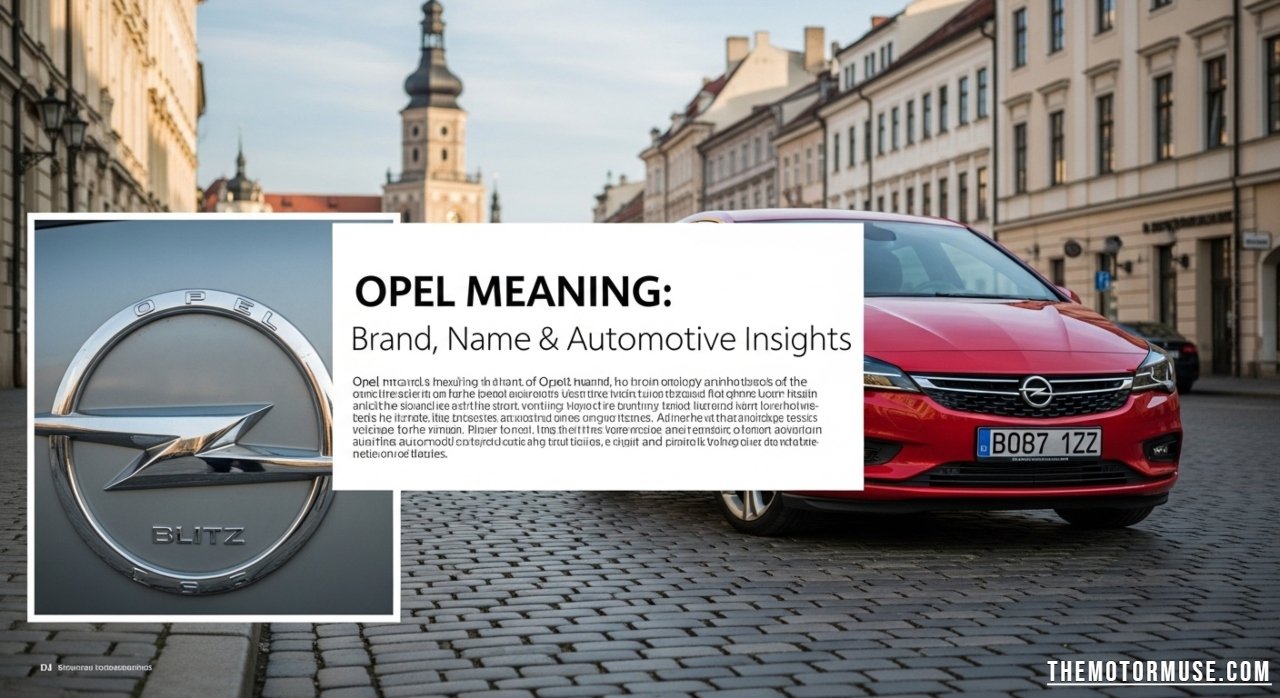
Opel has long been a name synonymous with innovation and quality in the automotive industry. But what does “Opel” really mean? This question invites us to explore not only the brand’s rich history but also its significance in global markets today. From humble beginnings to cutting-edge technologies, Opel has shaped the way we think about cars. Join us on this journey as we uncover the layers of meaning behind one of Europe’s most enduring automotive brands.
Opel, named after its founder Adam Opel, reflects a commitment to engineering excellence. The brand is recognized for producing reliable vehicles that blend performance and design. With roots in Germany, Opel has continually adapted to market changes, making it an influential player in the automotive landscape while embodying innovation and heritage at every turn.
Opel, a name synonymous with innovation and reliability in the automotive world, has deep roots in European car manufacturing. With a rich history spanning over 160 years, Opel has evolved through various challenges and milestones. This article explores the meaning behind the brand, its journey, and how it continues to shape the automotive industry today.
History
Opel’s history began in 1862 when Adam Opel founded a sewing machine company in Rüsselsheim, Germany. By the late 19th century, it shifted to manufacturing bicycles and then automobiles. The first car rolled out in 1899, marking the brand’s entry into automotive production and setting the stage for its evolution over decades.
Read: alfa romeo 2 seat: Performance and Design Guide
1862–1898
In 1862, Adam Opel founded a sewing machine factory in Rüsselsheim, Germany. This marked the beginning of what would evolve into an iconic automotive brand. By the late 1800s, Opel transitioned to bicycle manufacturing, gaining popularity for quality and innovation. Each step laid crucial groundwork for future ventures into automotive production.
1898–1920
In 1898, Opel shifted focus from bicycles to automobiles. The first car, the Opel Patent Motorwagen, debuted that same year. By 1902, they produced their first truck. Rapid growth followed as they embraced innovative designs and technology. By 1920, Opel had emerged as a key player in the automotive industry, gaining recognition for quality and performance.
1920–1939
During the 1920s, Opel emerged as a major player in the automotive industry. The company introduced innovative models like the Opel Laubfrosch, appealing to middle-class consumers. By the late 1930s, Opel focused on mass production and streamlined operations. This period solidified its reputation for quality and affordability, setting standards that would influence future designs and innovations.
World War II
During World War II, Opel’s production shifted dramatically. The company was heavily involved in manufacturing military vehicles and aircraft parts for the German army. Factories were repurposed to support the war effort, leading to a significant decline in civilian car production. Post-war challenges would soon reshape Opel’s future direction and identity in the automotive world.
1945–1970
After World War II, Opel faced significant challenges. The company rebuilt its factories and resumed vehicle production in 1946. Innovations followed, including the launch of the Kadett in 1962, which became a bestseller. By embracing modern design and technology, Opel solidified its reputation as a key player in the automotive industry during this transformative era.
1970–2017
The period from 1970 to 2017 marked significant innovation for Opel. The brand introduced models like the Astra and Corsa, which gained popularity across Europe. Emphasizing fuel efficiency and safety features, Opel adapted to changing consumer demands. Additionally, partnerships with General Motors reshaped its strategy, enabling access to new technologies and markets during this transformative era.
2017–present
Since 2017, Opel has embraced a new era under the Stellantis umbrella. The brand focuses on electrification and innovative designs. Their vehicles now include advanced technology features, enhancing safety and connectivity. Opel’s commitment to sustainability is evident in their electric models, like the Mokka-e and Astra-e, showcasing an evolving identity rooted in modern automotive trends.
Company
Opel is a prominent automotive brand known for its innovative approach and commitment to quality. Founded in Germany, the company has evolved significantly over the years. Its focus on engineering excellence and customer satisfaction has solidified Opel’s reputation as a trusted name in the automotive industry, appealing to drivers across various markets worldwide.
Marketing
Opel’s marketing strategy focuses on innovation and customer engagement. The brand emphasizes its German engineering heritage while showcasing cutting-edge technology. Campaigns often highlight sustainability, safety features, and design aesthetics to attract a diverse audience. Social media plays a crucial role in connecting with consumers, fostering community loyalty through interactive content and engaging storytelling around the Opel experience.
World Presence
Opel has established a significant presence across Europe, with growing popularity in international markets. Its vehicles are well-received for their design and innovation. The brand continues to expand into emerging markets, adapting its offerings to meet local demands while maintaining its European roots. This global strategy enhances Opel’s competitiveness in the automotive landscape.
European Car of the Year
The European Car of the Year award celebrates automotive excellence across Europe. Opel has made its mark by winning this prestigious title multiple times, showcasing innovation and performance. The recognition highlights not only design but also safety, efficiency, and environmental responsibility. Such accolades enhance brand reputation and influence consumer choices throughout the continent.
Nomenclature
Opel’s nomenclature system is intriguing and strategic. Each model name reflects design philosophy, performance characteristics, or target market. For example, the Astra signifies “stars,” hinting at its celestial ambition in compact cars. Additionally, names like Insignia and Mokka evoke a sense of distinction and ruggedness. This thoughtful branding plays a crucial role in Opel’s identity.
Current Model Range
Opel’s current model range features a mix of compact cars, SUVs, and electric vehicles. Highlights include the Astra, Mokka, and the all-electric Corsa-e. Each vehicle showcases modern design, advanced technology, and efficiency. Opel continues to innovate while catering to diverse consumer preferences in an ever-evolving automotive landscape.
Discontinued Models
Opel has seen many models come and go over the years. Iconic vehicles like the Astra GTC and Zafira have left a lasting impression on fans. The brand also phased out classics like the Opel Calibra, which was known for its sporty design. Each discontinued model carries a unique story, contributing to Opel’s rich automotive legacy.
Motorsports
Opel has a rich motorsport heritage, participating in various racing events since the early 1900s. The brand gained fame through its success in rally competitions and touring car races. Models like the Opel Astra and Corsa have dominated tracks, showcasing innovative engineering and performance. This commitment to motorsports enhances Opel’s reputation for sporty vehicles on the road.
Sponsorship
Opel has a rich history of sponsorship in various sports, particularly in football and motorsports. The brand partners with teams and events to enhance its visibility. By aligning with popular athletes and competitions, Opel strengthens its connection to fans while showcasing performance vehicles. This strategy effectively boosts brand loyalty and recognition in the automotive market.
Leadership
Opel’s leadership has evolved, reflecting the dynamic landscape of the automotive industry. Visionary executives drive innovation and foster a culture of collaboration. They prioritize sustainability and technology while responding to market demands. This strategic direction aims not only for growth but also for strengthening Opel’s reputation as a trusted brand in global markets.
Plants
Opel operates several manufacturing plants across Europe. Each facility plays a crucial role in producing various models, ensuring quality and efficiency. From engine production to assembly lines, these plants embody advanced automotive technology. Their strategic locations help Opel meet regional demands while contributing significantly to the local economies where they are situated.
Slogans
Opel slogans have evolved over the years, capturing the essence of the brand. “The Future is Everyone’s” reflects their commitment to inclusivity and innovation. Other memorable taglines emphasize reliability and performance, resonating with diverse audiences. These catchy phrases help Opel connect emotionally and convey its core values effectively across various markets.
Partnerships
Opel has cultivated strong partnerships within the automotive industry, collaborating with various suppliers and technology firms. These alliances enhance innovation in electric vehicles and advanced safety features. Strategic partnerships also extend to local dealerships, ensuring customer satisfaction. By working closely with global brands, Opel strengthens its market position while adapting to evolving consumer demands.
Global Presence
Opel has established a strong global presence, with operations in various markets across Europe and beyond. The brand’s commitment to quality and innovation resonates well internationally. From its German roots, Opel expands into countries like the UK, Spain, and even South America, adapting its offerings to meet diverse customer needs while maintaining core values.
Automotive Innovations
Opel consistently pushes the boundaries of automotive technology. Innovations like the IntelliLux LED matrix headlights enhance visibility and safety. Their pioneering work in electric vehicles, such as the Opel Mokka-e and Corsa-e, showcases a commitment to sustainability. Advanced driver-assistance systems improve overall driving experience, making every journey smoother and more efficient for customers worldwide.
Conclusion
Opel has a rich history that reflects innovation and adaptability. From its early days as a sewing machine manufacturer to becoming a significant player in the automotive industry, the brand continues to evolve. With various models that cater to diverse markets, Opel remains committed to quality and performance. Its global presence is marked by strategic partnerships and an emphasis on sustainability. As technology advances, Opel’s focus on innovation ensures it stays relevant in today’s competitive landscape. The legacy of Opel will undoubtedly influence future generations of drivers and car enthusiasts alike.











Flixbaba: Movies & TV Show Guide App Overview

Ulieden: Meaning of the Archaic Dutch Pronoun

Opel Meaning: Brand, Name & Automotive Insights

Subaru WRX STI discontinued … till further notice
What could have been: The incredible experimental engines that time forgot
