
Automotive & Transport
Overnight Truck Parking: A Complete Guide to Safe, Secure, and Efficient Rest Solutions for Professional Drivers

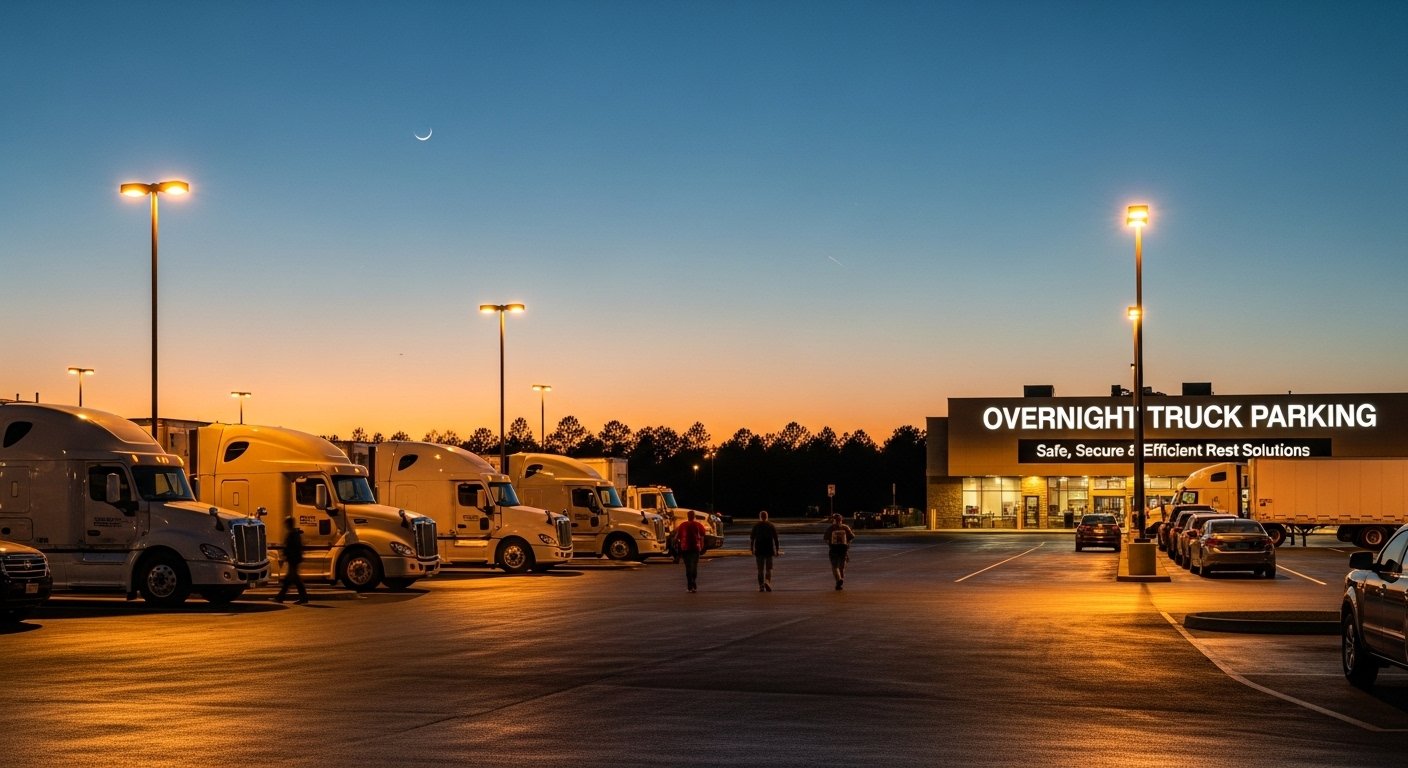
The transportation and logistics industry depends heavily on reliable infrastructure that supports drivers during long-haul operations, and one of the most critical yet often overlooked components of that infrastructure is overnight truck parking. Professional drivers spend extended hours on the road transporting essential goods across cities, states, and even countries, and they require safe, accessible, and regulation-compliant spaces to rest and secure their vehicles. Overnight truck parking is not merely about finding a place to stop for the night; it directly impacts driver safety, cargo protection, regulatory compliance, operational efficiency, and overall supply chain stability. As freight demand continues to rise and highways become increasingly congested, the need for structured, secure, and strategically located truck parking facilities has grown into a significant industry priority.
Truck drivers operate under strict federal hours-of-service regulations designed to prevent fatigue and reduce accidents caused by exhaustion. These regulations mandate specific rest periods, making access to dependable overnight parking essential for compliance. Without adequate parking options, drivers may be forced into unsafe roadside stops, unauthorized areas, or poorly lit locations that expose them to risks such as theft, vandalism, or accidents. Reliable overnight truck parking facilities eliminate this uncertainty by providing designated areas where drivers can rest legally and securely, ensuring both personal safety and cargo integrity while maintaining adherence to transportation laws.
The Growing Importance of Overnight Truck Parking in Modern Logistics
The expansion of e-commerce, increased freight movement, and tighter delivery schedules have significantly intensified the pressure on trucking infrastructure. Drivers now operate within more demanding timelines, navigating crowded urban corridors and busy interstate routes while balancing safety and efficiency. In this environment, overnight truck parking serves as a foundational support system that enables drivers to plan routes confidently, meet delivery windows, and avoid unnecessary detours in search of available parking. When parking options are scarce or unreliable, productivity decreases, stress levels increase, and compliance risks grow, all of which can negatively affect both drivers and logistics companies.
Beyond compliance and scheduling, overnight truck parking also plays a crucial role in protecting valuable equipment and freight. Commercial trucks represent substantial financial investments, and the cargo they carry may include high-value goods, perishable items, or sensitive materials that require secure storage conditions. Parking in well-lit, monitored, and professionally managed facilities significantly reduces the likelihood of theft or damage. Security features such as surveillance systems, controlled access gates, perimeter fencing, and on-site personnel create a protective environment that safeguards both vehicles and drivers during rest periods. In an industry where delays and losses can have cascading effects across the supply chain, secure overnight parking contributes to operational reliability and financial stability.
Types of Overnight Truck Parking Options Available
Drivers and fleet managers typically choose from several types of overnight truck parking options depending on route, location, and operational requirements. Public truck stops are among the most common choices, offering parking spaces alongside fueling stations, restaurants, restrooms, and shower facilities. These locations are strategically positioned along major highways, making them convenient for long-haul travel. However, availability can become limited during peak travel hours, requiring drivers to plan ahead to secure a spot before facilities reach capacity.
Private fleet parking lots provide another structured solution, particularly for trucking companies that manage large numbers of vehicles. These company-owned facilities allow businesses to control security standards, implement surveillance systems, and coordinate vehicle readiness more efficiently. Fleet parking supports streamlined scheduling and reduces uncertainty by ensuring that drivers have guaranteed access to secure spaces when returning from routes or preparing for departures.
Municipal truck parking areas are sometimes available near industrial zones, ports, and warehouse districts, offering designated spaces for overnight stays. While amenities may vary, these locations provide legal and structured alternatives to unauthorized roadside parking. In addition, specialized off-site secured parking facilities have emerged in response to increasing demand near metropolitan centers. These facilities often feature advanced security systems, digital reservation platforms, and expanded parking layouts designed specifically to accommodate large commercial vehicles. As the logistics sector evolves, these dedicated facilities are becoming an increasingly important component of sustainable transportation infrastructure.
Essential Features of a Reliable Overnight Truck Parking Facility
Selecting the right overnight truck parking facility requires careful consideration of several important features that influence safety, convenience, and efficiency. Security remains the top priority, as professional drivers need assurance that their vehicles and cargo will remain protected throughout the night. Facilities equipped with high-quality lighting, surveillance cameras, gated entry points, and routine monitoring provide a significantly safer environment than unregulated roadside locations.
Adequate space and accessibility are equally important, particularly for large trucks and trailers that require sufficient maneuvering room. Congested or poorly designed lots increase the risk of minor collisions, vehicle damage, and unnecessary delays. Well-planned parking facilities incorporate wide lanes, clearly marked spaces, and efficient traffic flow patterns to ensure ease of entry and exit. Accessibility to major highways or freight corridors further enhances convenience, allowing drivers to resume their routes quickly without navigating through complex or congested areas.
Driver amenities also contribute to overall well-being and operational readiness. Access to restrooms, showers, dining options, and rest areas allows drivers to recover properly during mandated rest periods. Some facilities even offer maintenance support services, including tire checks, minor repairs, and fueling options, enabling drivers to address small issues before they escalate into larger mechanical problems. These combined features transform overnight truck parking from a simple resting spot into a comprehensive support hub for transportation professionals.
Challenges Facing Overnight Truck Parking Infrastructure
Despite its importance, overnight truck parking continues to face significant challenges across many regions. One of the most pressing issues is limited availability, particularly near densely populated urban centers where land constraints restrict expansion. As freight traffic increases, competition for available spaces intensifies, often leaving drivers searching for alternatives late at night when fatigue levels are already high.
Safety concerns remain another challenge, particularly in areas lacking adequate lighting or monitoring. Drivers who cannot find secure parking may be forced into unsafe conditions that increase vulnerability to theft or personal harm. Additionally, regulatory complexities can create confusion, as local ordinances sometimes restrict where commercial vehicles may park, even when federal hours-of-service requirements necessitate rest. Environmental factors such as extreme weather conditions further complicate parking decisions, requiring facilities to maintain proper drainage, snow removal, and surface maintenance to ensure safe access year-round.
Addressing these challenges requires coordinated efforts from private operators, transportation companies, and municipal planners. Expanding dedicated parking facilities, integrating technology-driven reservation systems, and investing in enhanced security infrastructure are all strategies that can help alleviate congestion and improve overall accessibility for drivers.
Best Practices for Drivers and Fleet Managers
To maximize the benefits of overnight truck parking, drivers and fleet managers should adopt proactive planning strategies that prioritize safety and efficiency. Mapping routes in advance and identifying available parking facilities along the way reduces uncertainty and minimizes last-minute decision-making. Utilizing digital tools and reservation platforms, where available, further enhances predictability and ensures guaranteed parking upon arrival.
Prioritizing security features when selecting a facility helps protect both drivers and cargo, while maintaining compliance with hours-of-service regulations avoids costly penalties or delays. Conducting routine vehicle inspections during overnight stops ensures that trucks remain in optimal condition, reducing the likelihood of breakdowns during subsequent travel segments. Maintaining clear documentation of parking locations and durations also supports compliance reporting and efficient fleet management operations.
The Future of Overnight Truck Parking
As freight volumes continue to expand and transportation networks become more complex, the role of overnight truck parking will only grow in importance. Technological innovations are shaping the future of parking infrastructure, including real-time availability tracking, mobile reservation systems, and integrated security monitoring platforms that enhance both efficiency and safety. These advancements allow drivers to locate and secure parking spaces with greater confidence, reducing stress and improving overall route planning.
Investment in expanded parking capacity and smart infrastructure will be essential to support the evolving needs of the logistics industry. Public-private partnerships, strategic land development near major freight corridors, and the incorporation of environmentally sustainable design elements will contribute to a more resilient parking ecosystem. By prioritizing secure, accessible, and technologically integrated facilities, the transportation sector can strengthen supply chain reliability while ensuring that drivers have the resources they need to operate safely and efficiently.
Conclusion
Overnight truck parking represents a vital element of modern logistics, providing drivers with secure, regulation-compliant spaces to rest while protecting valuable equipment and cargo. Its impact extends beyond individual drivers, influencing operational efficiency, supply chain reliability, and public road safety. Access to well-managed parking facilities reduces stress, enhances compliance with federal regulations, and contributes to long-term vehicle durability and driver well-being.
As demand for freight transportation continues to rise, the development and maintenance of reliable overnight truck parking infrastructure will remain a critical priority. Through careful planning, investment in security and technology, and adoption of best practices by drivers and fleet managers, the industry can ensure safe, efficient, and sustainable parking solutions that support the backbone of the global supply chain.



Mercedes 300SL: Classic Sports Car History & Features

Stream Lord: Ultimate Guide to Streaming Movies & Shows

Sunchoke: Benefits, Uses, and Growing Guide

Subaru WRX STI discontinued … till further notice
What could have been: The incredible experimental engines that time forgot
