
Automotive & Transport
Safe Truck Parking Strategies for Night Stops, Rest Breaks, and Long-Term Storage

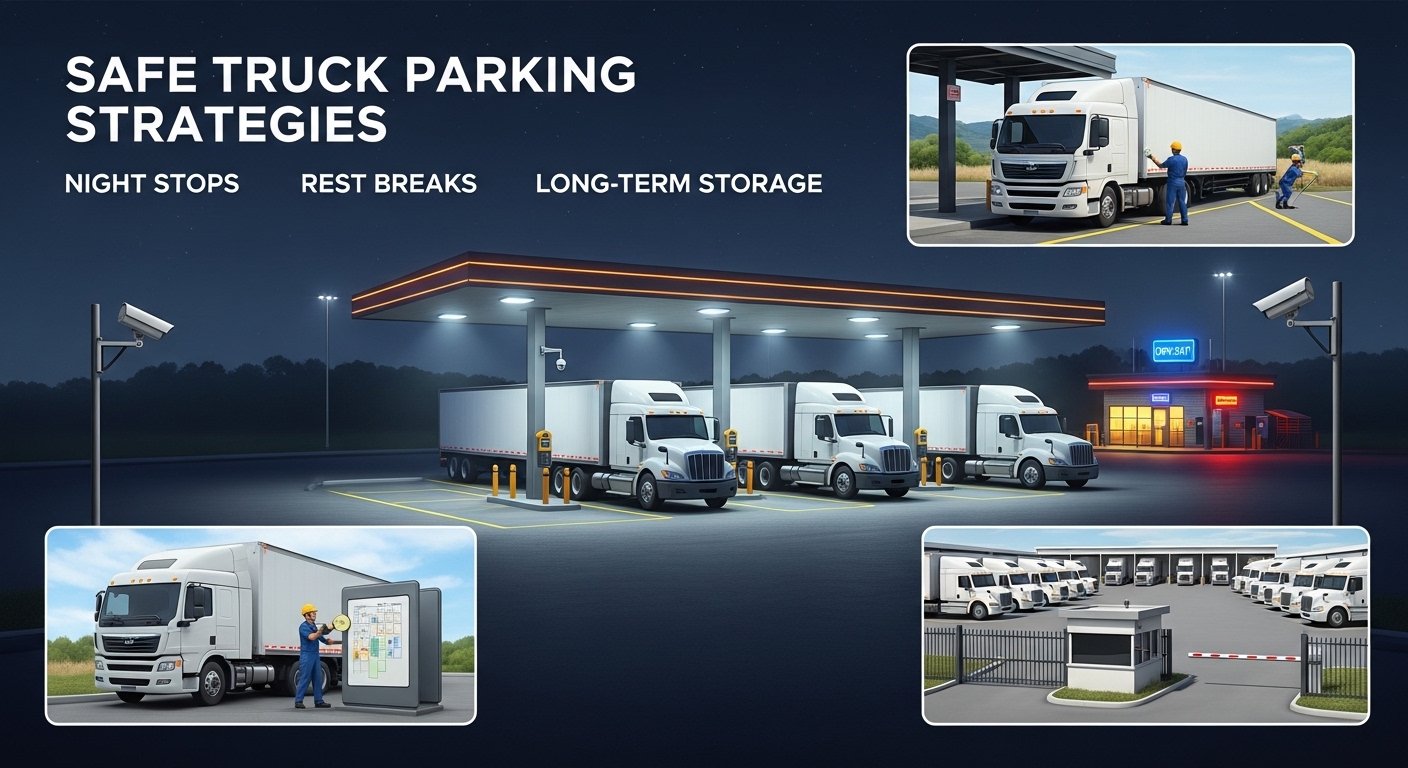
Parking for trucks is a critical component of modern transportation infrastructure, logistics management, and commercial property planning. Unlike standard vehicle parking, truck parking requires significantly more space, stronger surfaces, wider turning radii, enhanced safety measures, and strategic layout planning. As freight transportation continues to grow and supply chains become increasingly complex, the need for efficient, secure, and well-designed truck parking facilities has become more important than ever. Proper planning and execution not only improve operational efficiency but also enhance driver safety, regulatory compliance, and overall facility performance.
Truck parking is not simply about allocating a large open area for vehicles to stand. It involves engineering considerations, traffic flow design, pavement strength analysis, environmental planning, security integration, and long-term maintenance strategies. When these elements are carefully addressed, truck parking facilities function smoothly, reduce operational delays, and provide drivers with safe and reliable resting or staging areas. Conversely, poorly designed truck parking areas often result in congestion, accidents, infrastructure damage, and logistical inefficiencies that negatively affect businesses and communities alike.
The Growing Demand for Truck Parking
The transportation and logistics industry has experienced substantial expansion due to e-commerce growth, global trade, and just-in-time delivery models. As more goods move through highways, ports, and distribution centers, the demand for reliable truck parking continues to rise. Long-haul drivers must comply with hours-of-service regulations that require mandatory rest periods, making accessible and secure parking a necessity rather than a convenience.
Inadequate parking availability often forces drivers to park along highway shoulders, ramps, or unauthorized urban areas, creating safety hazards for both truck operators and the general public. Insufficient parking also contributes to fatigue-related accidents, delays in freight movement, and increased operational costs. Addressing the shortage through proper infrastructure planning ensures smoother transportation networks and improved driver well-being.
Core Design Principles for Effective Truck Parking
Designing truck parking requires a comprehensive understanding of vehicle dimensions, operational behavior, and load distribution. Standard passenger vehicle parking models cannot simply be scaled up; instead, the design must reflect the unique characteristics of heavy-duty trucks, including tractor-trailers, box trucks, tankers, and flatbeds.
One of the primary considerations is space allocation. Each parking stall must accommodate the full length of the truck, including trailer overhang and maneuvering space. Adequate aisle width is essential to allow trucks to enter and exit spaces without complex multi-point turns that increase accident risks. Turning radii must account for the pivot point between tractor and trailer, ensuring smooth circulation throughout the lot.
Traffic flow design is equally important. Clearly defined entry and exit points reduce congestion and prevent cross-traffic conflicts. One-way circulation patterns are often preferred in high-volume facilities because they simplify navigation and reduce collision risks. Strategic placement of signage and pavement markings further enhances clarity and operational efficiency.
Pavement Strength and Surface Durability
Truck parking areas endure significantly greater stress than standard parking lots due to vehicle weight and repeated loading cycles. Asphalt or concrete surfaces must be engineered to withstand high axle loads and prevent premature deterioration. Reinforced concrete is often used in heavy-duty facilities because of its superior load-bearing capacity and resistance to rutting.
Proper subgrade preparation is essential for long-term durability. Without adequate base compaction and drainage layers, even the strongest surface materials can crack or shift over time. Drainage systems must be designed to prevent water accumulation, which weakens pavement structure and creates slipping hazards. Well-maintained drainage not only preserves structural integrity but also contributes to environmental sustainability by managing runoff effectively.
Safety and Security Considerations
Safety is a fundamental component of truck parking design. Large vehicles have blind spots and require extended stopping distances, making clear visibility and well-illuminated spaces essential. High-quality LED lighting ensures that drivers can safely maneuver at night while deterring unauthorized activities.
Security measures such as fencing, surveillance cameras, controlled access gates, and on-site monitoring provide protection against theft, vandalism, and cargo tampering. For fleet operators, secure parking reduces liability and protects valuable assets. In public or highway facilities, enhanced security measures contribute to driver confidence and encourage compliance with rest regulations.
Pedestrian safety must also be considered, especially in mixed-use facilities where drivers walk between parking areas and service amenities. Clearly marked walkways, barriers separating pedestrian paths from vehicle lanes, and appropriate signage reduce accident risks.
Accessibility and Operational Integration
Effective parking for trucks integrates seamlessly with surrounding infrastructure. In logistics centers and warehouses, parking areas should be positioned near loading docks to minimize travel distance and streamline operations. Proper staging zones allow trucks to queue without blocking access roads or creating congestion.
Access to essential services such as fueling stations, maintenance areas, restrooms, and food facilities enhances driver experience and operational efficiency. Rest area parking along highways must be strategically located to align with typical driving intervals, ensuring compliance with regulatory requirements. Thoughtful placement reduces unnecessary detours and improves overall traffic flow.
Environmental and Community Impact
Large truck parking areas often involve extensive paved surfaces, which can affect local ecosystems if not properly managed. Stormwater runoff from impervious surfaces may carry pollutants into nearby waterways, necessitating the implementation of filtration systems, retention ponds, or permeable pavement solutions.
Landscaping buffers help reduce noise pollution and improve visual aesthetics, particularly when parking facilities are located near residential or commercial developments. Trees and shrubs not only enhance appearance but also contribute to air quality improvement and heat reduction. Sustainable design practices demonstrate environmental responsibility while improving long-term operational performance.
Technology and Smart Parking Solutions
Advancements in technology have introduced innovative approaches to managing truck parking more efficiently. Digital reservation systems allow drivers to secure parking spaces in advance, reducing uncertainty and minimizing time spent searching for available spots. GPS-based tracking systems help fleet managers coordinate arrivals and departures, optimizing facility utilization.
Automated gate systems, license plate recognition, and digital monitoring tools enhance security while streamlining access control. Data analytics can be used to assess peak usage times, plan expansions, and allocate resources effectively. Integrating smart technology into truck parking infrastructure increases efficiency and improves the overall user experience.
Maintenance and Long-Term Sustainability
Routine maintenance is essential to preserve the functionality and safety of truck parking facilities. Regular pavement inspections identify cracks, potholes, or drainage issues before they escalate into costly repairs. Repainting lines and updating signage maintain clarity and reduce confusion.
Lighting systems, surveillance equipment, and access controls require periodic testing to ensure reliability. Landscaping maintenance prevents overgrowth that could obstruct visibility or create security concerns. By implementing proactive maintenance programs, facility operators extend infrastructure lifespan and reduce long-term operational costs.
Economic and Logistical Benefits
Investing in well-designed truck parking yields substantial economic benefits. Efficient layouts reduce turnaround times, allowing more vehicles to be accommodated within the same footprint. Reduced congestion lowers fuel consumption and decreases emissions, supporting sustainability goals.
For commercial properties, adequate truck parking enhances tenant satisfaction and operational reliability. Distribution centers with efficient parking infrastructure can process shipments more quickly, improving customer service and supply chain performance. Public investment in highway rest areas strengthens transportation networks and supports economic growth by facilitating smooth freight movement.
Addressing Industry Challenges
Despite its importance, truck parking remains insufficient in many regions. Urban land constraints, high construction costs, and zoning restrictions often limit development opportunities. Collaborative planning between government agencies, private operators, and logistics companies is necessary to address these challenges effectively.
Public-private partnerships can facilitate infrastructure expansion while sharing financial responsibility. Policy initiatives that incentivize development of truck parking facilities contribute to long-term solutions. By prioritizing strategic planning and investment, communities can mitigate safety risks and support the evolving needs of the transportation industry.
Conclusion
Parking for trucks is a specialized and essential component of modern transportation infrastructure. It requires detailed planning, engineering expertise, safety integration, environmental responsibility, and long-term maintenance strategies. Properly designed truck parking facilities improve driver safety, enhance operational efficiency, and support regulatory compliance while protecting infrastructure investments.
As freight movement continues to expand globally, the demand for reliable and secure truck parking will only increase. Addressing this need through thoughtful design, durable construction, technological integration, and proactive management ensures sustainable and efficient transportation networks. By recognizing truck parking as a strategic investment rather than a simple logistical necessity, stakeholders can create infrastructure that benefits drivers, businesses, and communities for years to come.



5 Best AI Lip Sync Generators of 2026

Mercedes 300SL: Classic Sports Car History & Features

Stream Lord: Ultimate Guide to Streaming Movies & Shows

Subaru WRX STI discontinued … till further notice
What could have been: The incredible experimental engines that time forgot
