
Blog
Sewer Cleaning: Ensuring Efficient Waste Management and Safe Plumbing Systems

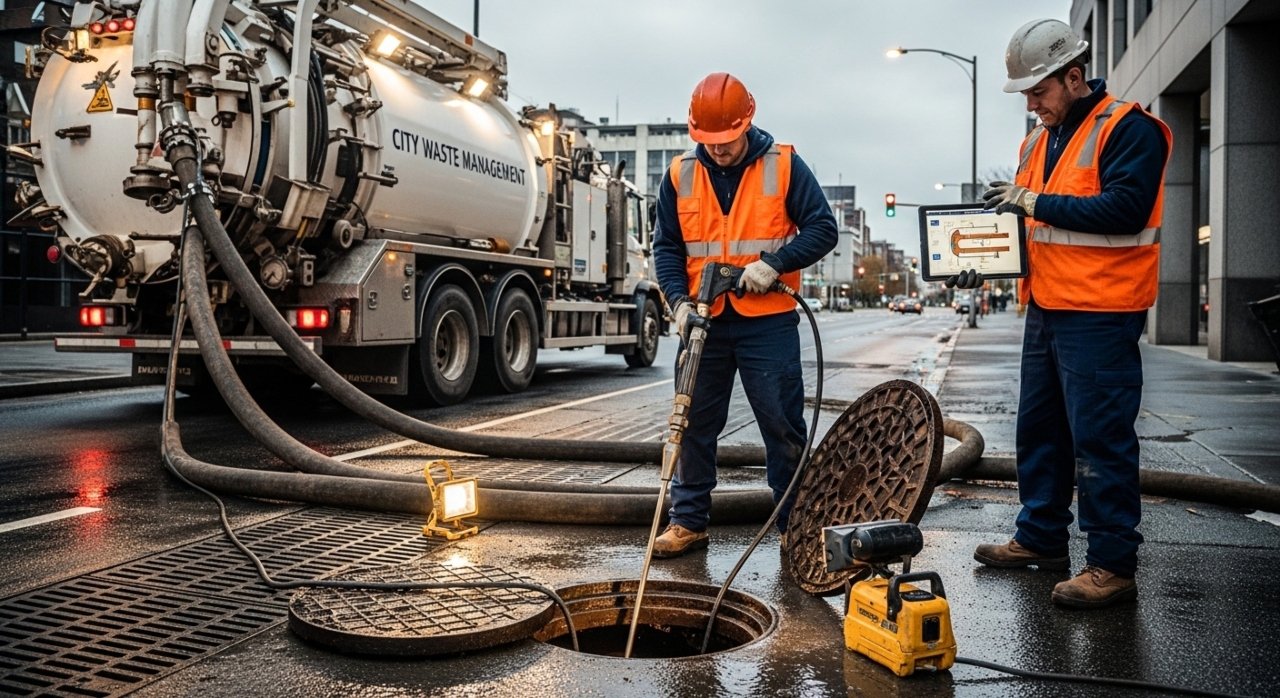
Sewer cleaning is an essential service that maintains the efficiency, safety, and longevity of residential and commercial plumbing systems. Sewers, whether part of municipal infrastructure or private property, carry wastewater safely away from buildings to treatment facilities, but over time they are prone to clogs, corrosion, and damage from grease, debris, sediment, or invasive tree roots. Professional sewer cleaning ensures wastewater flows smoothly, prevents backups, reduces odors, and protects public health. Neglecting this service can lead to property damage, health hazards, and costly emergency repairs. Sewer systems are complex networks of pipes, drains, and vents, requiring specialized equipment, technical expertise, and knowledge of building codes to inspect, clean, and maintain effectively. Routine cleaning prevents emergencies, extends the lifespan of plumbing infrastructure, maintains water quality, and ensures the structural integrity of the system.
Why Sewer Cleaning is Important
Sewer cleaning is critical for multiple reasons. Blocked or damaged sewer lines can cause severe disruptions and unsafe conditions. Overflowing wastewater can flood basements, yards, or commercial spaces, resulting in property damage and exposure to harmful bacteria and contaminants. Beyond immediate health risks, untreated blockages place stress on plumbing systems, accelerating wear and tear and leading to pipe corrosion or fractures that may require extensive repairs or replacement. Regular sewer cleaning allows early detection of potential problems such as cracks, joint separation, or root intrusion, which can then be addressed proactively. Preventive maintenance safeguards property and health, reduces long-term costs, and prolongs the life of the sewer network.
Common Causes of Sewer Blockages
Sewer blockages occur for several reasons, highlighting the importance of professional cleaning. One major cause is grease and fat buildup from kitchen waste. Solidified oils and fats adhere to pipe walls, gradually narrowing flow and eventually causing complete obstructions. Debris and foreign objects flushed down toilets or drains, such as paper towels, sanitary products, and non-biodegradable items, can accumulate over time and form major blockages. Tree roots pose another frequent problem, infiltrating sewer pipes through joints or cracks in search of water, which creates stubborn obstructions and can damage pipes. Sediment accumulation, often in older pipes, restricts water flow and contributes to corrosion. Aging pipes or those exposed to environmental stress may develop cracks or weak joints that trap debris, highlighting the need for professional assessment and cleaning.
Methods of Sewer Cleaning
Professional sewer cleaning uses techniques tailored to the severity and type of blockage, the pipe material, and accessibility. Snaking, or rodding, involves inserting a mechanical auger into the pipe to break up minor blockages and push debris through, a method commonly used in residential settings. Hydro-jetting uses high-pressure water streams to remove grease, sludge, roots, and debris, restoring flow and thoroughly cleaning the interior of pipes without damaging them. Sewer camera inspections provide a visual assessment of the line, enabling accurate identification of blockages, cracks, or weak points, allowing plumbers to apply the most effective cleaning method. In some cases, environmentally safe chemical cleaners may dissolve grease or mineral deposits, often used in combination with mechanical cleaning for thorough results. Specialized tools for root removal allow plumbers to cut through invasive tree roots without compromising pipe integrity, frequently combined with hydro-jetting or snaking for comprehensive cleaning.
Benefits of Professional Sewer Cleaning
Professional sewer cleaning provides benefits beyond immediate clog removal. Routine cleaning improves water flow and reduces the likelihood of backups, preventing overflows and ensuring smooth operation of plumbing systems. Removing debris, grease, and roots reduces strain on pipes and minimizes corrosion, extending the lifespan of sewer infrastructure. Early detection through camera inspections identifies cracks, corrosion, or weak points before they escalate into costly repairs. Sewer cleaning also enhances safety by eliminating bacteria, foul odors, and hazardous waste buildup. Preventive maintenance reduces emergency plumbing costs, saving property owners from unexpected financial burdens and minimizing disruption to daily activities in residential or commercial settings.
When to Schedule Sewer Cleaning
The frequency of sewer cleaning depends on property usage, pipe age, and surrounding environmental factors. Residential sewer lines should generally be inspected every one to three years, with cleaning performed as needed. Commercial properties, particularly restaurants or facilities producing high volumes of wastewater, often require annual or semi-annual service. Older homes with aging pipes or properties with large trees near sewer lines may benefit from more frequent cleaning to prevent blockages and root intrusion. Emergency sewer cleaning is necessary when homeowners or property managers notice slow drains, foul odors, gurgling sounds, sewage backups, or wet spots in the yard. Prompt intervention in these situations prevents extensive damage, health hazards, and costly repairs.
Preventive Maintenance for Sewer Systems
Preventive measures reduce the need for frequent sewer cleaning and help avoid major plumbing issues. Homeowners should avoid flushing non-biodegradable items such as wipes, paper towels, or sanitary products, which can accumulate and create blockages. Grease, fats, and oils should be disposed of in the trash rather than down the kitchen sink, and drain screens should be installed to catch hair and debris. Monitoring water flow and pressure can alert property owners to potential problems, and scheduling professional inspections and cleanings based on property type and usage ensures minor issues are addressed before they escalate. These proactive measures protect plumbing infrastructure, reduce repair costs, and maintain efficient wastewater management.
Conclusion
Sewer cleaning is a crucial aspect of plumbing maintenance, ensuring wastewater systems operate efficiently, safely, and reliably. Regular cleaning prevents blockages, reduces the risk of property damage, enhances public health, and prolongs the life of plumbing infrastructure. Professional sewer cleaning services provide expertise, advanced equipment, and targeted solutions that DIY methods cannot match, offering long-term benefits for both residential and commercial properties. Understanding the causes of sewer blockages, employing appropriate cleaning methods, and scheduling routine maintenance allows property owners to safeguard their plumbing systems and avoid costly emergencies. Investing in professional sewer cleaning is not only a matter of convenience but a necessary step in maintaining the functionality, safety, and longevity of wastewater infrastructure, ensuring that plumbing systems perform optimally for years to come.


Window Repair: Maintaining Functionality, Efficiency, and Home Safety

Sewer Cleaning: Ensuring Efficient Waste Management and Safe Plumbing Systems

Homeowner’s Guide to Installing Gutters: How to Keep Your Roof, Siding, and Foundation Safe During Rainy Seasons

Subaru WRX STI discontinued … till further notice
What could have been: The incredible experimental engines that time forgot
