
Home improvement
The Complete Guide to Professional Roof Cleaning: Techniques, Benefits, and Maintenance Tips for a Long-Lasting and Safe Roof

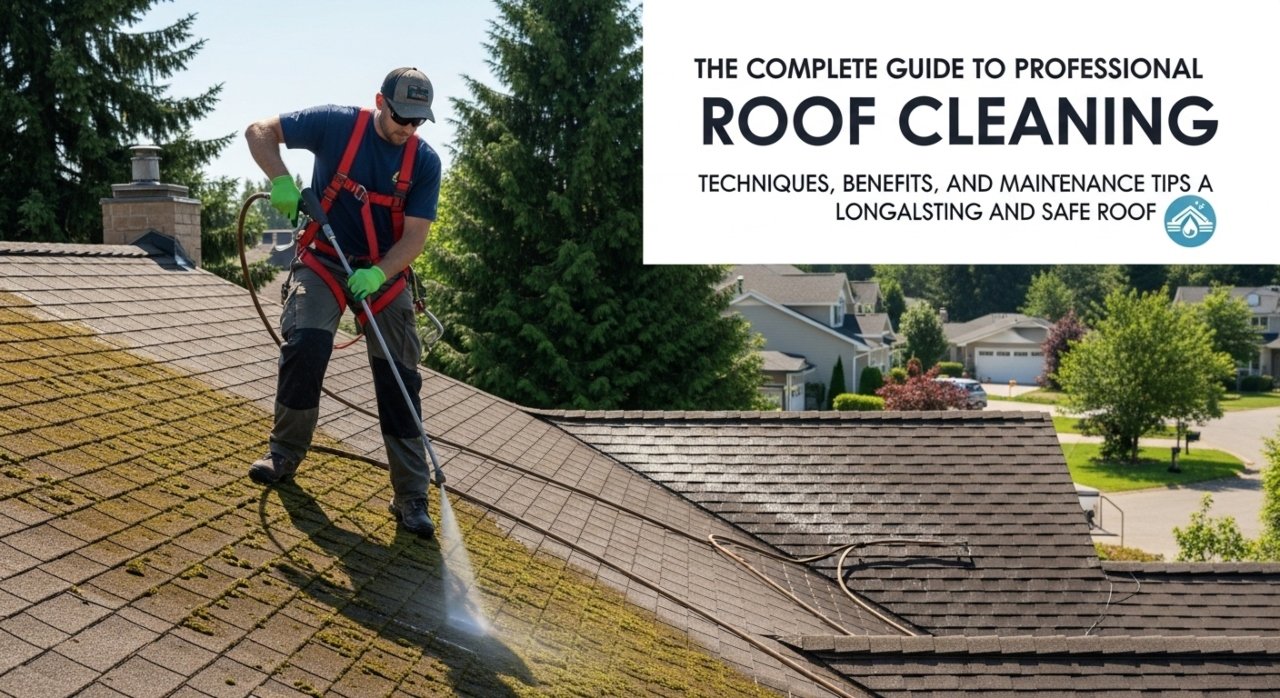
Introduction: The Importance of Roof Cleaning for Every Property
A roof is more than just the top layer of a building; it is a critical barrier against the elements, protecting everything beneath it. Over time, roofs are exposed to rain, wind, sun, and airborne debris, which can cause wear, discoloration, and damage. This is where roof cleaning becomes essential. Regular cleaning not only preserves the aesthetic appeal of a home or commercial building but also extends the lifespan of roofing materials. Neglecting roof maintenance can lead to costly repairs, leaks, and structural problems that affect the entire property.
Roof cleaning involves more than simply removing visible dirt. Moss, algae, lichen, and mold growth can take hold in shaded or damp areas, gradually breaking down shingles or tiles. Debris such as leaves and twigs can clog gutters and valleys, causing water to pool and accelerate deterioration. By addressing these issues proactively through professional roof cleaning, property owners can protect their investment, improve energy efficiency, and enhance curb appeal. Understanding the techniques, benefits, and proper maintenance strategies associated with roof cleaning can help homeowners and building managers make informed decisions that safeguard their properties.
How Roof Cleaning Works: Methods and Techniques
Professional roof cleaning employs a variety of techniques to safely and effectively remove buildup without damaging roofing materials. The most common methods include pressure washing, soft washing, and chemical treatments. Pressure washing uses high-pressure water to dislodge debris, stains, and biological growth. While effective for some surfaces, it must be used carefully on delicate shingles or tiles to avoid damage. Soft washing, on the other hand, uses low-pressure water combined with specialized cleaning solutions to break down moss, algae, and mildew. This method is particularly suitable for asphalt shingles, slate, or clay tiles, as it minimizes the risk of erosion or lifting shingles.
Chemical treatments in roof cleaning are often used in combination with soft washing to target stubborn biological growth. These eco-friendly solutions are applied to the roof surface to eliminate moss and algae at the root, preventing rapid regrowth. The choice of technique depends on the type of roofing material, the extent of contamination, and the desired results. Experienced professionals assess the condition of the roof before cleaning, ensuring that the method chosen maximizes effectiveness while minimizing any potential risks.
The Benefits of Regular Roof Cleaning
Investing in routine roof cleaning provides both immediate and long-term benefits for property owners. One of the primary advantages is the prevention of structural damage. Moss, algae, and mold can trap moisture, leading to wood rot, weakened shingles, and leaks. By removing these growths early, roof cleaning helps maintain the integrity of the roofing system, reducing the likelihood of expensive repairs or premature replacement. This preventive approach is far more cost-effective than addressing extensive damage after it occurs.
In addition to structural protection, roof cleaning enhances curb appeal. A clean roof contributes to the overall appearance of a home or building, making it look well-maintained and inviting. For commercial properties, a pristine roof can reflect professionalism and attention to detail, which can influence customer perception and confidence. Furthermore, roof cleaning can improve energy efficiency by removing dark streaks and debris that absorb heat. A cleaner roof surface can help reduce cooling costs during hot weather, contributing to environmental sustainability and long-term savings.
Roof Cleaning for Different Types of Roofing Materials
Roof cleaning methods must be tailored to the specific material being cleaned to ensure effectiveness and prevent damage. Asphalt shingles, the most common roofing material, benefit from soft washing combined with environmentally safe chemical treatments. Clay and concrete tiles are durable but porous, requiring gentle cleaning to remove moss and algae without cracking or eroding the surface. Slate roofs, known for their longevity and aesthetic appeal, require careful handling to avoid dislodging tiles or causing fractures. Metal roofs, while resistant to many forms of biological growth, can accumulate dirt and debris that affect drainage and appearance, making regular cleaning beneficial for maintenance and aesthetics.
Wooden shakes or shingles require special consideration during roof cleaning. Excessive pressure can splinter or lift the wood, causing long-term damage. Soft washing, combined with fungicidal solutions, is the preferred method for these surfaces. In every case, professional roof cleaning providers evaluate the roof’s material, condition, and slope to select the safest and most effective approach. This ensures optimal results while preserving the integrity and appearance of the roof.
Safety Considerations in Roof Cleaning
Roof cleaning involves working at heights, which presents inherent risks. Safety is a top priority for professionals in this field. Proper safety equipment, including harnesses, scaffolding, and non-slip footwear, is essential to prevent falls and injuries. Technicians are trained to navigate steep slopes, wet surfaces, and obstacles while maintaining control of cleaning equipment. Safety also extends to protecting the surrounding property, including landscaping, gutters, and exterior fixtures, from damage caused by water, cleaning solutions, or debris.
Environmental safety is another critical aspect of roof cleaning. Modern cleaning solutions are designed to be biodegradable and safe for surrounding vegetation. Professionals take care to manage runoff and minimize chemical exposure to the environment, ensuring a responsible and sustainable cleaning process. Homeowners can further support safety measures by following preparatory guidance, such as clearing outdoor furniture and ensuring pets and children are kept away from the work area during cleaning.
Choosing the Right Professional Roof Cleaning Service
Selecting a qualified provider for roof cleaning is crucial to achieving effective and safe results. Experience and expertise are key factors, as improper techniques can cause shingle damage, water infiltration, or streaking. A reputable service provider should offer proof of licensing, insurance, and references or testimonials from previous clients. Advanced equipment, knowledge of appropriate cleaning methods, and attention to detail are hallmarks of a professional roof cleaning service.
Cost is also an important consideration. While prices vary depending on roof size, material, and condition, it is important to view roof cleaning as an investment rather than an expense. Preventative maintenance through regular cleaning reduces the likelihood of costly repairs or premature replacement. Furthermore, many providers offer maintenance packages that include periodic inspections and cleanings, ensuring long-term protection and peace of mind.
Preparing Your Roof for Cleaning and Maintaining It Afterwards
Proper preparation enhances the effectiveness of roof cleaning and ensures safety. Before the cleaning process begins, homeowners should remove obstacles such as satellite dishes, antennas, and outdoor equipment that could obstruct access. Trimming overhanging branches reduces debris accumulation and provides a clear path for technicians. Protective measures, such as covering delicate plants and sealing vents or skylights, help prevent damage from water or cleaning solutions.
After roof cleaning, maintenance is essential to prolong the benefits. Inspecting gutters, trimming nearby trees, and removing debris periodically can prevent the buildup of dirt, moss, and algae. Applying roof sealants or treatments may also help protect surfaces and slow the growth of biological contaminants. Regular inspections allow property owners to identify minor issues before they become major problems, ensuring a longer lifespan for their roofing materials.
Technological Advances in Roof Cleaning
Roof cleaning has benefited from technological advancements that improve safety, efficiency, and results. Modern soft washing systems allow for precise application of cleaning solutions at controlled pressures, reducing the risk of damage to delicate surfaces. Drones and cameras are increasingly used for roof inspections, providing detailed assessments without requiring technicians to climb steep or difficult-to-access areas. Environmentally friendly cleaning solutions continue to evolve, delivering effective results while minimizing ecological impact. These innovations make roof cleaning safer, faster, and more sustainable than ever before.
Conclusion: Maximizing the Value and Lifespan of Your Roof Through Professional Cleaning
In conclusion, roof cleaning is an essential maintenance practice that protects property value, enhances aesthetics, and prevents structural damage. By employing the right techniques, prioritizing safety, and choosing experienced professionals, homeowners and property managers can maintain a clean, durable, and efficient roof. Regular roof cleaning not only addresses visible dirt and growths but also mitigates long-term risks, prolonging the lifespan of roofing materials. Investing in professional roof cleaning ensures a healthier, more attractive, and more resilient property for years to come.


Speciering: Understanding the Process of Species Evolution

Tube Safari: Exciting River Adventures & Outdoor Fun

Pindhuset: Stylish Home Decor & Lifestyle Boutique Denmark

Subaru WRX STI discontinued … till further notice
What could have been: The incredible experimental engines that time forgot
