
Home improvement
Top Mistakes to Avoid During Gutter Installation That Could Cause Future Damage

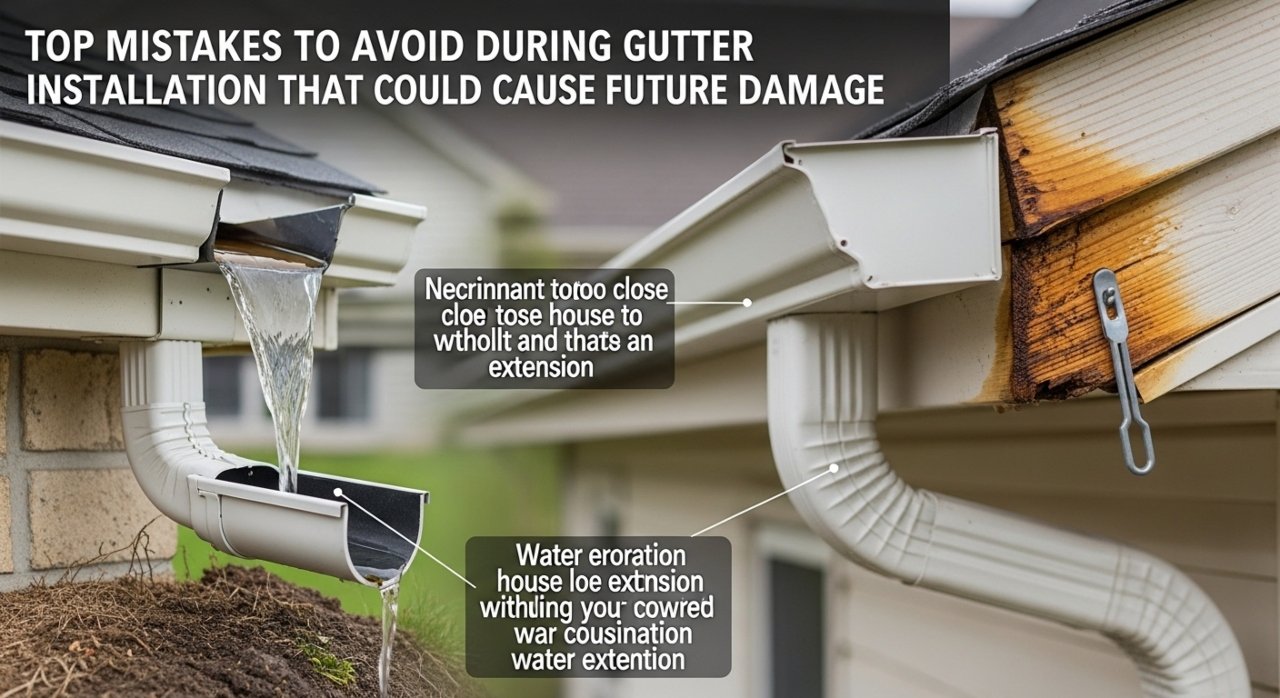
Proper gutter installation is one of the most important steps homeowners can take to protect their property from water damage, foundation problems, and landscape erosion. Gutters are not merely decorative elements attached to the roofline; they play a critical role in directing rainwater and melting snow away from the foundation and exterior surfaces of a home. Without properly installed gutters, water can pool around the foundation, seep into basements, damage siding, and create mold and mildew issues. Understanding the process of gutter installation, the types of systems available, and the benefits of hiring a professional can help homeowners make informed decisions and ensure long-term protection for their property.
What Gutter Installation Involves
Gutter installation is a process that involves more than just attaching channels along the edges of a roof. It begins with a thorough assessment of the home’s roofline, roof pitch, and existing drainage patterns to determine the appropriate size, type, and placement of gutters. A professional gutter installer measures the roofline, calculates water flow requirements, and considers factors such as rainfall intensity, roof slope, and downspout placement to ensure efficient water management. The installation process also involves securely fastening gutters to the fascia boards, installing appropriate hangers or brackets for support, cutting and sealing joints for a leak-proof system, and ensuring proper slope for water to flow toward downspouts. When performed correctly, gutter installation directs water safely away from the home, preventing costly damage and preserving the integrity of the foundation, siding, and landscaping.
Types of Gutter Systems
There are several types of gutters available, each with its own advantages depending on the homeowner’s needs and budget. The most common type is the aluminum gutter, which is lightweight, rust-resistant, and available in a variety of colors to complement the home’s exterior. Copper gutters, while more expensive, offer long-term durability and aesthetic appeal, developing a natural patina over time that enhances curb appeal. Steel gutters provide strength and can withstand heavy rainfall or snow but may require protective coatings to prevent rust. Vinyl gutters are affordable and easy to install, making them popular for DIY projects, though they may be less durable in extreme weather conditions. In addition to these materials, gutter systems may be seamless or sectional. Seamless gutters, custom-fabricated on-site, reduce the risk of leaks at joints, while sectional gutters, made in pre-cut lengths, are easier to replace individually but may require more maintenance over time.
The Importance of Proper Installation
Even the highest-quality gutters cannot perform effectively if they are not installed correctly. Proper gutter installation ensures that water is directed toward downspouts, preventing pooling and overflow. Installers must calculate the correct slope for each section of gutter, typically between 1/16 and 1/8 inch per foot, to maintain consistent water flow. Improperly installed gutters can sag, leak at seams, or pull away from the fascia over time, compromising their ability to protect the home. Additionally, secure attachment is critical to withstand heavy rainfall, wind, and ice during the winter months. Professional installation also accounts for potential obstructions such as roof overhangs, vents, and landscaping, ensuring a system that functions seamlessly and requires minimal maintenance.
Benefits of Professional Gutter Installation
Hiring a professional for gutter installation provides several advantages over attempting a DIY approach. Professionals bring experience, proper tools, and knowledge of industry standards, ensuring that gutters are installed to maximize efficiency and longevity. They can recommend the appropriate type and size of gutters for the home’s specific conditions, taking into account rainfall patterns, roof size, and property layout. Professional installation also includes correct sealing of joints, secure fastening, and proper alignment of downspouts to prevent erosion and water damage. Furthermore, contractors often provide warranties on both materials and workmanship, giving homeowners peace of mind that their investment is protected. A well-installed gutter system reduces maintenance needs, minimizes the risk of leaks, and significantly contributes to the overall durability of the home’s exterior and foundation.
Maintenance and Longevity
Once gutters are installed, regular maintenance is essential to ensure optimal performance. Debris such as leaves, twigs, and dirt can accumulate and block water flow, leading to overflow and damage. Cleaning gutters at least twice a year, ideally in the spring and fall, prevents clogs and prolongs the life of the system. Installing gutter guards or screens can reduce the frequency of cleaning while still allowing water to flow freely. Inspecting gutters for sagging sections, loose hangers, or leaks helps identify potential issues before they cause significant damage. By combining proper installation with ongoing maintenance, homeowners can enjoy effective water management for decades and avoid costly repairs related to foundation, siding, or landscaping damage caused by improperly directed water.
Downspouts and Water Management
Downspouts are a critical component of any gutter system, as they carry water from the gutters down to the ground and away from the foundation. Proper placement and sizing of downspouts are essential to prevent overflow and ensure efficient drainage. In some cases, extensions or splash blocks are used to direct water further from the house, protecting landscaping and preventing erosion near the foundation. Rainwater collection systems, such as rain barrels, can also be integrated into downspouts, providing an environmentally friendly option for irrigation while reducing stormwater runoff. A well-designed gutter system with appropriately placed downspouts ensures that water is managed effectively, reducing the risk of damage to both the home and the surrounding property.
Conclusion
Gutter installation is a vital aspect of home maintenance that protects the structure, foundation, and landscaping from water damage while enhancing the property’s durability and value. Properly installed gutters, combined with regular maintenance, ensure efficient water flow, prevent leaks, and reduce the risk of costly repairs. Choosing the right materials, ensuring precise installation, and considering professional services are key factors in achieving a long-lasting and effective gutter system. By investing in quality gutter installation, homeowners can safeguard their property against the damaging effects of rainwater and seasonal storms, providing peace of mind and long-term protection for their home and family.



Jeroen Dik: VAG Tuning Expert & Racing Champion

“Xaicotum: Technology, Superfood & Cultural Insights”

Jiolojia: Understanding Geology and Earth’s Rocks

Subaru WRX STI discontinued … till further notice
What could have been: The incredible experimental engines that time forgot
