
Home & Garden
Transforming Your Home: The Ultimate Guide to Deep Cleaning

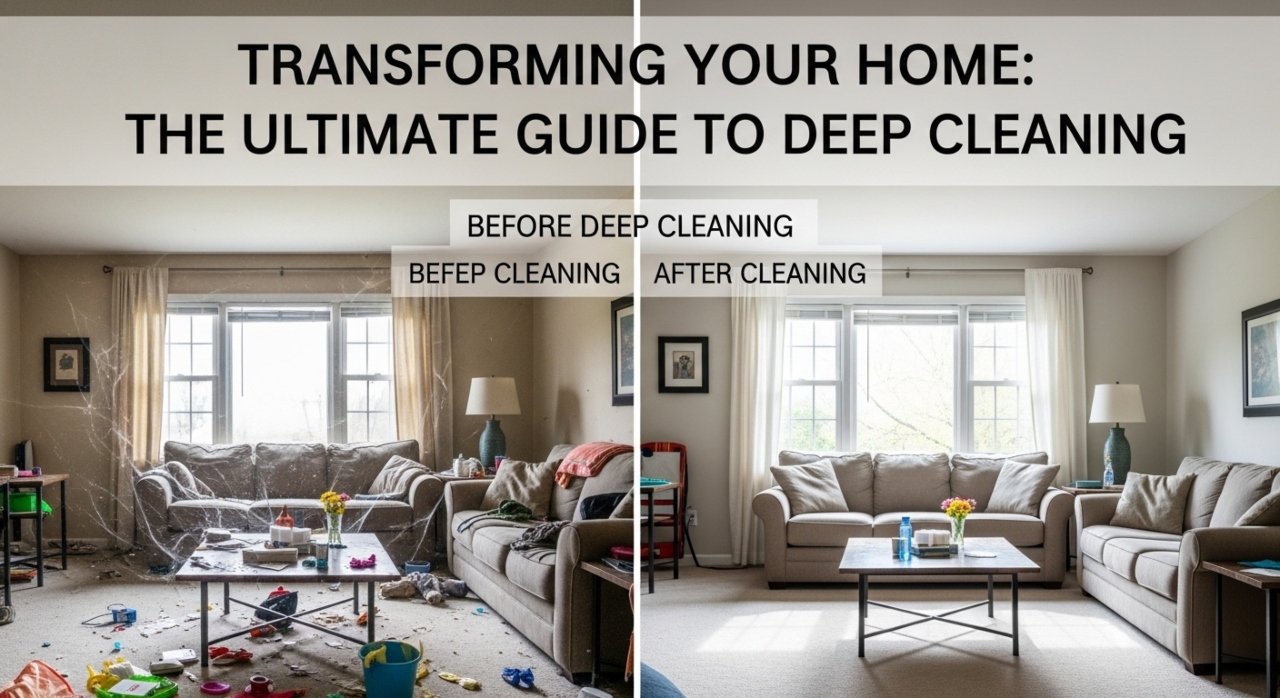
Maintaining a clean and orderly home is more than just a matter of aesthetics; it directly impacts the health, comfort, and overall well-being of everyone living in the space. While routine cleaning handles day-to-day dirt and clutter, it is deep cleaning that ensures every corner of your home is thoroughly sanitized, organized, and refreshed. This process goes beyond surface-level tidying to address hidden dust, allergens, bacteria, and grime that accumulate over time. Understanding the importance of deep cleaning, the strategies involved, and the tools required can completely transform the living environment, making it healthier, safer, and more inviting.
The Importance of Deep Cleaning
Deep cleaning is an essential practice for maintaining a healthy home environment. Unlike regular cleaning, which focuses primarily on visible dirt, deep cleaning targets the hidden buildup that can contribute to health problems such as allergies, respiratory issues, and infections. Dust in vents, mold in damp areas, bacteria on kitchen surfaces, and accumulated grime in corners all contribute to an unhygienic home if left unchecked. By thoroughly sanitizing these areas, deep cleaning significantly reduces the presence of harmful pathogens and creates a safer living environment for everyone.
Beyond physical health, deep cleaning also enhances mental well-being. A cluttered or dirty environment can contribute to stress, anxiety, and difficulty concentrating, while a well-maintained and thoroughly cleaned home fosters a sense of calm, order, and accomplishment. Individuals often report a noticeable improvement in mood and energy levels after engaging in deep cleaning, making it both a practical and therapeutic activity.
Key Areas to Focus On During Deep Cleaning
Effective deep cleaning requires attention to areas that are often overlooked in regular cleaning routines. These typically include:
- Kitchen: While daily cleaning may address countertops and dishes, deep cleaning involves scrubbing cabinets, cleaning behind appliances, descaling sinks, sanitizing drains, and removing grease buildup from stoves and ovens. Kitchen hygiene is critical since it directly impacts the safety of the food prepared in the home.
- Bathrooms: Beyond wiping sinks and mirrors, deep cleaning includes scrubbing grout lines, disinfecting toilet bowls and hidden surfaces, removing soap scum, and addressing mold or mildew in damp areas such as showers or under sinks. These actions prevent the growth of bacteria and fungi that could pose health risks.
- Living Spaces and Bedrooms: Deep cleaning here means moving furniture to clean underneath, dusting hard-to-reach surfaces such as ceiling fans, light fixtures, and window blinds, washing or vacuuming upholstery, and organizing storage spaces to reduce clutter. These practices not only improve appearance but also enhance air quality.
- Floors and Carpets: Regular vacuuming may remove surface dirt, but deep cleaning involves steam cleaning or shampooing carpets, polishing hardwood, and thoroughly scrubbing tiles to remove ingrained dirt and stains. Proper floor care prolongs the lifespan of flooring materials while maintaining cleanliness.
- Windows and Glass Surfaces: Deep cleaning ensures windows, glass doors, mirrors, and other reflective surfaces are streak-free, polished, and clear of dust and smudges that accumulate over time. Clean windows allow more natural light to enter, improving the ambiance and energy of the home.
Tools and Products for Effective Deep Cleaning
The success of deep cleaning largely depends on the tools and products used. High-quality cleaning agents, such as disinfectants, degreasers, and anti-microbial solutions, target tough stains and bacteria that ordinary cleaning products may miss. Microfiber cloths, scrubbing brushes, and specialized sponges help reach hidden areas while minimizing damage to surfaces.
Modern cleaning equipment such as steam cleaners, carpet shampooers, and vacuum cleaners with HEPA filters significantly enhance the efficiency and effectiveness of deep cleaning. Steam cleaners, for instance, can sanitize surfaces without harsh chemicals, making them ideal for households with children or pets. Similarly, a high-powered vacuum captures dust, allergens, and tiny particles that would otherwise remain trapped in carpets or upholstery.
For those seeking eco-friendly alternatives, natural cleaning agents such as vinegar, baking soda, lemon juice, and essential oils can serve as effective and environmentally conscious solutions. Combining these with proper tools ensures that deep cleaning is both thorough and sustainable.
Developing a Deep Cleaning Schedule
Consistency is key when it comes to deep cleaning. Many households find it beneficial to establish a schedule, breaking down tasks into manageable segments. While some areas may require monthly attention, others, like kitchens and bathrooms, might need deeper cleaning every few weeks.
One effective approach is to dedicate specific days or weekends to particular zones of the home. For example, focusing on bathrooms one weekend and kitchens the next ensures that no area is overlooked. Additionally, combining deep cleaning sessions with regular maintenance keeps the home consistently sanitary without overwhelming effort. Planning and scheduling also make the process less stressful and more organized, allowing homeowners to tackle tasks systematically rather than reactively.
Psychological and Emotional Benefits of Deep Cleaning
Engaging in deep cleaning provides more than just physical cleanliness; it positively impacts mental health. Clutter and dirt can create visual and cognitive stress, making it difficult to relax or concentrate. By thoroughly cleaning and organizing spaces, deep cleaning restores order, reduces anxiety, and fosters a sense of control over one’s environment.
Moreover, the act of deep cleaning can be meditative. Focusing on scrubbing, wiping, and organizing allows individuals to immerse themselves in the present moment, similar to mindfulness practices. Completing a deep cleaning session also produces a tangible sense of achievement, boosting confidence and motivation in other areas of life.
Challenges and Solutions in Deep Cleaning
Despite its benefits, deep cleaning can be challenging. One major hurdle is time. Deep cleaning requires a significant investment of time and energy, particularly in larger homes or spaces that have not been maintained regularly. Breaking down tasks into smaller segments and using a structured schedule can mitigate this challenge.
Another common challenge is physical strain. Certain tasks, such as scrubbing grout, moving heavy furniture, or reaching high surfaces, can be physically demanding. Using ergonomic tools, wearing protective gear, and pacing the work can reduce fatigue and prevent injuries.
Lack of knowledge about the proper cleaning methods or products can also lead to ineffective results. Homeowners should educate themselves on safe cleaning techniques and select products suitable for specific surfaces, ensuring that deep cleaning is both effective and safe.
Professional Deep Cleaning Services vs. DIY
While many homeowners choose to handle deep cleaning themselves, professional cleaning services provide an alternative for those who lack time, tools, or expertise. Professionals have specialized equipment, advanced techniques, and experience to clean areas thoroughly, ensuring a higher level of sanitation.
However, DIY deep cleaning allows homeowners to customize the process according to their preferences, using preferred products and targeting areas that matter most to them. A balanced approach often combines regular personal efforts with occasional professional deep cleaning for optimal results.
Tips for Efficient and Sustainable Deep Cleaning
Efficiency and sustainability are essential considerations for modern homeowners. To make deep cleaning more effective, it is helpful to:
- Plan tasks and gather all necessary tools and products before starting.
- Clean systematically from top to bottom, preventing dirt from spreading to already cleaned surfaces.
- Allow cleaning solutions to sit for a few minutes on stubborn stains to loosen grime.
- Reuse cleaning cloths and opt for biodegradable products whenever possible.
- Declutter spaces before cleaning to make tasks more manageable and effective.
These strategies save time, reduce effort, and ensure that deep cleaning is environmentally responsible.
Integrating Deep Cleaning into Daily Life
While deep cleaning is inherently a periodic task, integrating small habits into daily routines can maintain cleanliness between sessions. Actions such as wiping surfaces immediately after use, putting items back in their designated places, and regularly organizing storage areas reduce the accumulation of dirt and clutter, making deep cleaning easier and less time-consuming.
Involving all household members in cleaning efforts encourages teamwork and ensures that responsibilities are shared. Assigning specific tasks to individuals or creating a rotating schedule fosters accountability and helps maintain a consistently clean and healthy environment.
Conclusion
Deep cleaning is a transformative process that goes far beyond regular maintenance, creating a home that is both physically clean and mentally refreshing. By focusing on often-neglected areas, using the right tools and products, and developing an organized schedule, homeowners can achieve a level of cleanliness that promotes health, safety, and well-being. The benefits of deep cleaning extend beyond appearance, positively impacting mood, reducing stress, and fostering a sense of accomplishment. Whether performed personally or with professional assistance, incorporating deep cleaning into home care routines is an investment in both the living environment and the overall quality of life.


Jeroen Dik: VAG Tuning Expert & Racing Champion

“Xaicotum: Technology, Superfood & Cultural Insights”

Jiolojia: Understanding Geology and Earth’s Rocks

Subaru WRX STI discontinued … till further notice
What could have been: The incredible experimental engines that time forgot
