
Culture
Tumbon: A Guide to Thailand’s Subdistricts

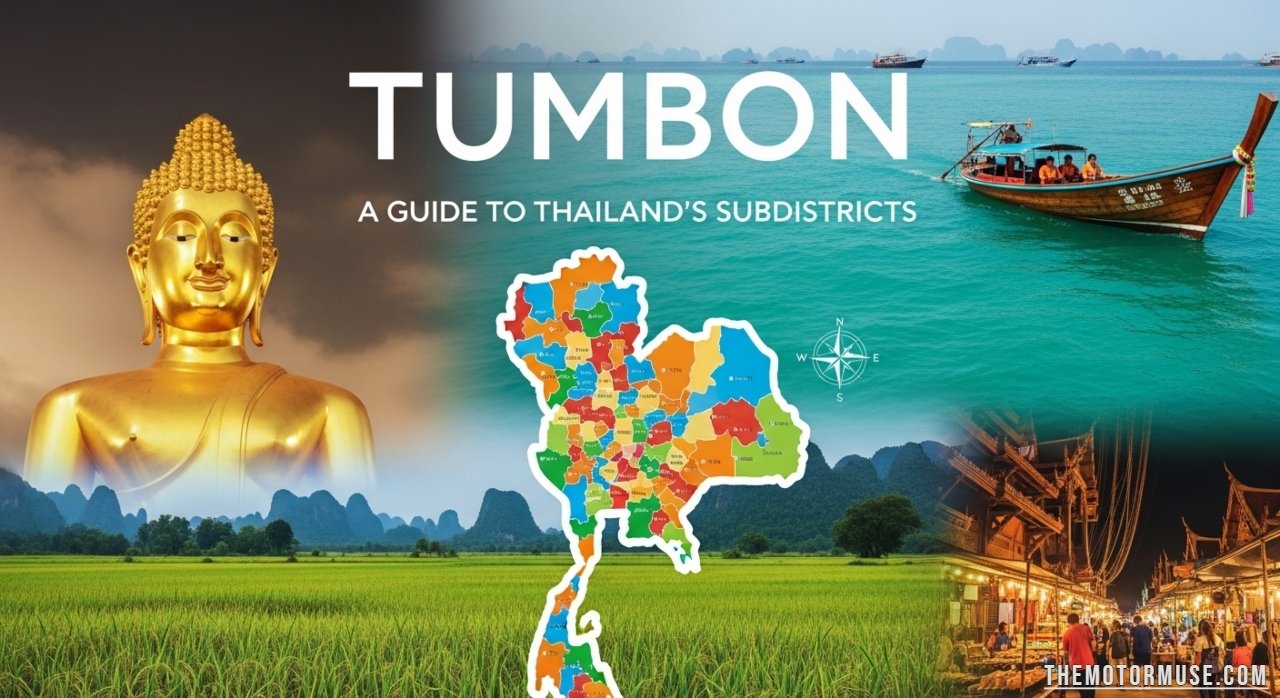
“A tumbon is Thailand’s local subdistrict, serving as the third-level administrative division between districts and villages. This guide explains the structure, governance, and functions of tumbons, including local development, public services, and community representation. Learn how tumbons operate across urban and rural areas, their historical evolution, notable examples, and the challenges they face. Essential for understanding Thailand’s administrative system and the role of local communities in shaping public services and development projects.”
Thailand’s administrative system can seem complex to outsiders, with multiple layers of governance. One key component is the tumbon, a local subdistrict that plays a critical role in community management and public services. This article explores the structure, functions, history, and significance of a tumbon, offering a comprehensive guide for researchers, travelers, and anyone interested in Thai governance.
Understanding Thailand’s Administrative Divisions
Thailand’s government is organized into hierarchical administrative levels:
-
Province (Changwat) – The largest administrative unit.
-
District (Amphoe) – A subdivision of the province.
-
Subdistrict (Tumbon) – A division within the district.
-
Village (Muban) – The smallest unit within a tumbon.
A tumbon functions as the third-level administrative subdivision. It connects local communities to district-level authorities, ensuring public services, local development, and administrative oversight are effectively implemented.
Origin and History of the Tumbon
The concept of a tumbon dates back to Thailand’s traditional governance system. Originally, villages were loosely grouped under a local headman’s jurisdiction. Over time, as the country modernized, formal administrative structures were introduced:
-
Pre-20th century: Villages operated semi-independently with informal coordination.
-
Early 20th century: Reforms under King Rama V established formal district and subdistrict administration.
-
Modern era: The tumbon now operates with elected local councils and administrative offices.
This historical evolution highlights the tumbon’s role as a bridge between local populations and higher government levels.
Structure and Governance of a Tumbon
Each tumbon typically consists of several villages (mubans). Governance is conducted through local administrative organizations, commonly called Tambon Administrative Organizations (TAOs). These organizations are responsible for:
-
Local infrastructure development (roads, water systems, community centers)
-
Public health and sanitation services
-
Education support at the community level
-
Cultural and recreational activities
-
Budget management for local projects
The leadership usually includes an elected head (Kamnan) and council members representing each village, allowing community input into governance.
Functions and Responsibilities
A tumbon serves multiple purposes in Thailand’s administrative framework:
-
Local Development: Implementing projects such as schools, healthcare centers, and public utilities.
-
Public Services: Ensuring residents have access to social services and emergency support.
-
Community Representation: Communicating local needs to district and provincial authorities.
-
Budget Management: Allocating funds for infrastructure, welfare programs, and cultural events.
-
Dispute Resolution: Mediating minor conflicts within villages under the subdistrict.
By handling these functions, the tumbon strengthens local democracy and community cohesion.
Demographics and Geography
The size and population of a tumbon can vary widely depending on its location:
-
Urban Tumbons: Often densely populated with commercial and residential areas.
-
Rural Tumbons: Comprised of smaller villages, agricultural land, and natural resources.
On average, a tumbon may contain 5–20 villages and host a population ranging from a few thousand to over 20,000 residents. Geography, population density, and economic activity influence administrative priorities and resource allocation.
Tumbon in Modern Thailand
Today, the tumbon continues to evolve as Thailand develops:
-
Digitalization: Some tumbons now use digital platforms for local administration, allowing residents to submit requests and access services online.
-
Tourism Impact: Subdistricts with tourist attractions may receive special development funds.
-
Cultural Preservation: Tumbons often organize festivals and local events to maintain Thai traditions.
Despite modernization, the tumbon retains its historical essence, acting as the fundamental unit connecting people to governance.
Examples of Notable Tumbons
Across Thailand, certain tumbons are notable for their unique culture, historical significance, or tourism appeal:
-
Tumbon Mae Rim, Chiang Mai – Famous for its mountainous scenery and local markets.
-
Tumbon Bang Kapi, Bangkok – A densely populated urban subdistrict with commercial centers.
-
Tumbon Ao Nang, Krabi – A coastal subdistrict known for beaches and tourism infrastructure.
These examples illustrate the diversity of tumbons across Thailand, from rural villages to bustling urban centers.
Challenges Facing Tumbons
Despite their importance, tumbons face several challenges:
-
Resource Limitations: Smaller subdistricts may struggle with limited budgets for development.
-
Urbanization Pressure: Rapid population growth in cities can strain infrastructure.
-
Climate Change: Floods and environmental issues require coordinated planning.
-
Administrative Complexity: Coordination with district and provincial authorities can sometimes be slow.
Addressing these challenges is crucial for the continued effectiveness of tumbons in serving local communities.
The Role of Citizens in a Tumbon
Citizens play an active role in the functioning of a tumbon. Community participation is encouraged through:
-
Voting in local elections for the Tambon Administrative Organization
-
Joining local committees for development projects
-
Participating in cultural and environmental initiatives
This civic engagement strengthens local governance and ensures that development aligns with the community’s needs.
Conclusion
The tumbon is a cornerstone of Thailand’s administrative system, bridging the gap between villages and districts. By managing local development, public services, and community representation, tumbons help maintain social cohesion and effective governance. Understanding the structure, functions, and challenges of a tumbon provides valuable insight into Thai society and its administrative practices.
Whether you are a traveler, researcher, or student of governance, exploring tumbons reveals the dynamic nature of Thailand’s local communities and their integral role in shaping the nation’s future.


Fanook: Origins, History, and Cultural Implications Explained

Celestialness: Exploring the Beauty of the Heavenly Realm

İns: Comprehensive Guide to Human Development and Society

Subaru WRX STI discontinued … till further notice
What could have been: The incredible experimental engines that time forgot
