
Cars
BMW Isetta Microcar: History, Design & Features Guide

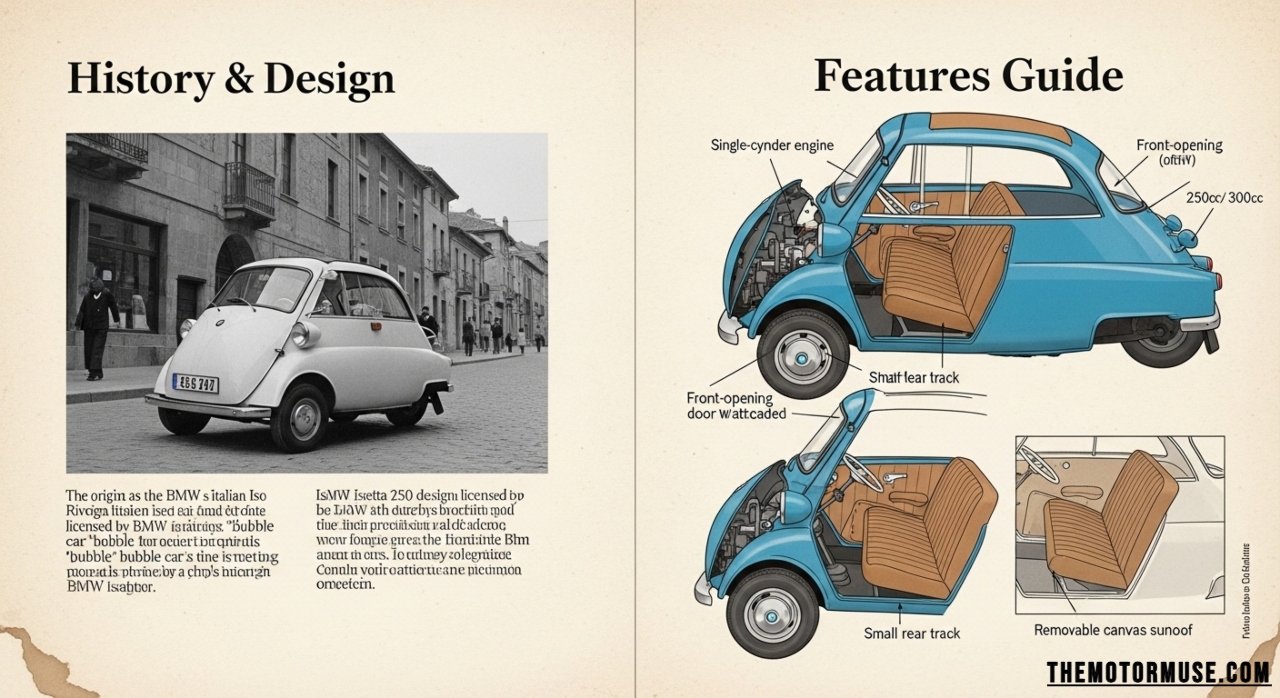
The BMW Isetta is more than just a car; it’s an icon of automotive history. This quirky microcar has captured hearts since its debut in the 1950s, representing innovation and charm in a compact form. With its egg-shaped design and unique front-opening door, the Isetta stands out on any street.
But what’s behind this fascinating vehicle? From its origins to modern-day successors, let’s dive into the story of the BMW Isetta. Discover how it evolved through various models and what makes it a beloved classic among collectors today. Whether you’re an enthusiast or curious about microcars, there’s much to explore!
The BMW Isetta microcar emerged in the post-war era, capturing attention with its unique design. Designed initially by Iso SpA in Italy, this three-wheeler was compact yet surprisingly spacious inside.
With a front-mounted door and eye-catching bubble shape, it redefined urban transportation. Its efficient engineering made it a popular choice for those seeking an economical and fun driving experience during challenging times.
Introduction
The BMW Isetta is more than just a microcar; it’s an icon of automotive history. Launched in the 1950s, its unique design and compact size captured the imagination of many.
As urbanization grew, so did the demand for efficient transportation solutions. The Isetta emerged as a quirky answer to this need, blending style with functionality in an unforgettable way.
Read: Opel Meaning: Brand, Name & Automotive Insights
Isetta Overview
The BMW Isetta is a compact microcar that gained fame in the 1950s. Its unique design features a front-opening door and accommodates two passengers, making it both practical and quirky.
Originally produced by several manufacturers, the Isetta became synonymous with affordable urban mobility. The car’s charming aesthetics and innovative engineering captured hearts worldwide, establishing its place in automotive history.
Iso Isetta (Italy)
The Iso Isetta, produced in Italy during the mid-1950s, was a remarkable microcar that captured attention with its unique design. Built by Iso SpA, this three-wheeled vehicle featured a distinctive front-opening door and compact dimensions.
Its innovative engineering made it an economical choice for urban driving. The charming aesthetics and practicality contributed to its popularity among city dwellers seeking an affordable mode of transportation.
VELAM Isetta (France)
The VELAM Isetta, produced in France during the 1950s, represents a fascinating chapter in microcar history. As a licensed version of the original BMW design, it featured unique adaptations to meet local market demands.
With its distinctive styling and compact dimensions, the VELAM offered an affordable transportation solution for urban dwellers. This charming model captured the essence of French automotive ingenuity while retaining Isetta’s iconic appeal.
De Carlo – Isetta (Argentina)
In Argentina, the De Carlo Isetta made its mark as a unique variation of the iconic microcar. Produced during the late 1950s and early 1960s, it catered to local demand for compact vehicles.
De Carlo’s version retained much of the original charm while incorporating some adaptations to suit Argentine preferences. This localized approach helped cement its place in automotive history.
Romi-Isetta (Brazil)
The Romi-Isetta made waves in Brazil during the 1960s. Produced under a license from BMW, this microcar featured a unique design tailored for local markets. It offered an affordable and compact solution to urban transportation.
With its distinct appearance and efficient engine, the Romi-Isetta captured the hearts of many Brazilians. Its production showcased innovation and practicality in a rapidly developing automotive landscape.
BMW Isetta (West Germany)
The BMW Isetta, produced in West Germany from 1954 to 1962, became an icon of micro-mobility. Its quirky design featured a front-opening door and a compact frame, making it stand out in post-war Europe.
Powered by a small single-cylinder engine, the Isetta offered remarkable fuel efficiency. This charming vehicle was not just economical but also practical for urban living during its time.
BMW Isetta (United Kingdom)
The BMW Isetta made its mark in the United Kingdom during the late 1950s. Its quirky design and compact size appealed to urban drivers facing post-war fuel shortages.
British production began as a collaboration with local manufacturers, helping boost its popularity. The Isetta became a symbol of affordable mobility, offering an economical solution for navigating crowded city streets.
Evolution of the Isetta
The Isetta’s journey began with the BMW Isetta 250, a quirky marvel that captured attention with its unique design. Its compact size made it ideal for post-war Europe.
As demand grew, BMW refined the model into the Isetta 300. This version boasted improved performance and comfort, solidifying its place in automotive history as an icon of efficiency and innovation.
BMW Isetta 250
The BMW Isetta 250 debuted in 1954, showcasing a unique design that captivated many. With its distinctive bubble shape and front-opening door, it quickly became an icon of micro-mobility.
Powered by a single-cylinder engine, the Isetta 250 offered efficient urban transportation. Its compact size made navigating narrow streets easy while providing enough room for two passengers and their belongings.
BMW Isetta 300
The BMW Isetta 300, launched in 1954, is one of the most recognizable microcars. With a more powerful engine than its predecessor, it offered improved speed and performance. Its distinctive bubble shape captured the spirit of the era.
Featuring a larger cabin and better amenities, the Isetta 300 became popular among urban dwellers. It epitomized convenience with its compact size while still providing comfort for passengers.
BMW 600
The BMW 600 was introduced in the 1950s as a larger sibling to the Isetta. It offered improved space for passengers, making it more family-friendly while retaining that iconic microcar charm.
With its four wheels and a rear-engine setup, the BMW 600 combined practicality with distinctive styling. This model showcased BMW’s ability to innovate within the compact car segment during post-war Europe.
Isetta replica kits
Isetta replica kits have gained popularity among enthusiasts looking to recreate the charm of this iconic microcar. These kits offer a chance for DIY lovers to build their own Isetta, combining nostalgia with modern engineering.
Many companies provide parts and blueprints, making the assembly process accessible. With a variety of customization options available, collectors can craft unique versions that reflect personal style while honoring the original design.
Modern Successors & Potential Reintroduction
The charm of the BMW Isetta continues to inspire modern adaptations. Today’s designers are keen on reviving its quirky appeal with innovative technology and eco-friendly alternatives.
Microlino is a standout, boasting electric capabilities while honoring the beloved classic design. Other contenders like the Artega Karo aim to reimagine this microcar for contemporary urban living, blending nostalgia with sustainability.
Microlino
The Microlino is a modern homage to the classic BMW Isetta. This electric microcar captures the charm of its predecessor while embracing contemporary technology. With a sleek design and eco-friendly appeal, it’s perfect for urban commuting.
Equipped with smart features and an impressive range, the Microlino offers practicality without sacrificing style. It embodies a fresh take on compact driving in today’s world.
Suzhou Eagle EG6330K
The Suzhou Eagle EG6330K is a modern take on the classic microcar concept, reminiscent of the beloved BMW Isetta. This electric vehicle offers an eco-friendly solution for urban commuting while embracing compact design.
With its quirky exterior and efficient performance, it captures attention in crowded city streets. The EG6330K combines nostalgia with innovation, appealing to both enthusiasts and new drivers alike.
Artega Karo / Electric Brands Evetta
The Artega Karo, now rebranded as the Electric Brands Evetta, pays homage to the iconic BMW Isetta. With its compact design and modern electric features, it captures the spirit of microcars while embracing sustainability.
This stylish vehicle combines retro aesthetics with cutting-edge technology. Ideal for urban environments, it offers an eco-friendly alternative for those seeking a nod to classic automotive history.
BMW Isetta Market Overview
The BMW Isetta market has seen a resurgence in interest among collectors and enthusiasts. Its unique design and nostalgic appeal make it a sought-after vehicle for those who appreciate automotive history.
Prices vary widely, influenced by condition, rarity, and model year. Restorations can enhance value significantly, making original parts crucial for maintaining authenticity. The Isetta continues to charm buyers worldwide with its quirky personality.
Isetta Cars and Trucks
The BMW Isetta wasn’t just a car; it was more than that. Its innovative design allowed for various models, including trucks. These micro-vehicles carried a unique charm and practicality.
Isetta trucks featured the same iconic front-opening door and compact size. They were perfect for urban deliveries, showcasing versatility in an era of post-war reconstruction and economic growth. The Isetta truly captured the spirit of its time.
Notable BMW Isetta Models
The BMW Isetta 300 stands out as a fan favorite, boasting a larger engine and improved performance. Its innovative design captured the hearts of many during the 1950s.
Another noteworthy model is the 1959 BMW Isetta, which featured updated styling and comfort options. These models highlight the unique charm that has kept enthusiasts captivated for decades.
1956 BMW Isetta 300
The 1956 BMW Isetta 300 is often hailed as the iconic microcar of its era. With a rounded shape and whimsical design, it captured the hearts of many during post-war Europe.
Powered by a single-cylinder engine, the Isetta 300 offered an impressive top speed of around 50 mph. Its compact size made urban driving convenient, while its unique front-opening door added to its charm.
1959 BMW Isetta
The 1959 BMW Isetta is a charming representation of microcar innovation. With its iconic bubble shape and front-opening door, it quickly became a symbol of the era’s automotive creativity.
Equipped with a larger engine than its predecessors, this model offered improved performance. The vibrant colors and engaging design made it a favorite among city dwellers seeking an economical yet stylish ride.
Conclusion
The BMW Isetta remains a fascinating piece of automotive history. Its unique design and innovative features set it apart from typical vehicles of its time. As microcars gain popularity once more, the Isetta’s legacy continues to inspire modern interpretations. Whether through nostalgic replicas or new electric models, the spirit of the Isetta lives on, captivating enthusiasts and collectors alike.


Mercedes 300SL: Classic Sports Car History & Features

Stream Lord: Ultimate Guide to Streaming Movies & Shows

Sunchoke: Benefits, Uses, and Growing Guide

Subaru WRX STI discontinued … till further notice
What could have been: The incredible experimental engines that time forgot
