
Home improvement
Comprehensive Guide to Heating Repair: Ensuring Warmth and Efficiency in Your Home

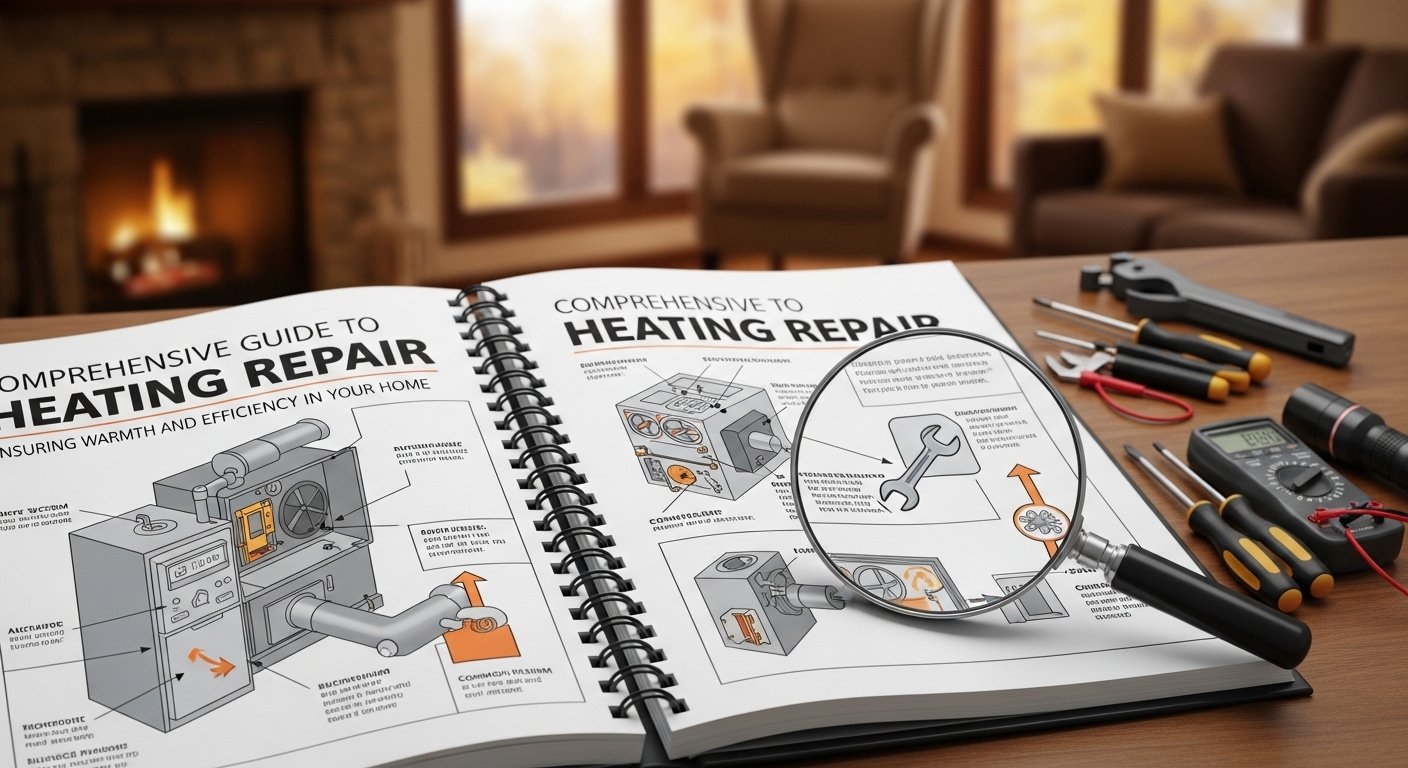
Heating repair is an essential aspect of maintaining a comfortable and energy-efficient home, particularly in regions that experience cold weather. A properly functioning heating system not only provides warmth but also ensures safety, reduces energy consumption, and prolongs the life of your HVAC equipment. Over time, heating systems can develop issues due to wear and tear, mechanical failures, or improper maintenance. Identifying problems early and performing timely repairs can prevent more extensive damage, reduce utility costs, and maintain consistent indoor comfort. Whether dealing with a furnace, heat pump, or boiler, understanding the common causes of heating problems and effective repair solutions is critical for homeowners and property managers alike.
Common Signs That Your Heating System Needs Repair
Recognizing the signs of a malfunctioning heating system is the first step in addressing potential problems. Common indicators include unusual noises such as banging, rattling, or whistling, uneven heating across rooms, strange odors coming from vents, and frequent cycling of the system. Homeowners may also notice increased energy bills, reduced airflow, or a lack of heat despite the system running. Ignoring these signs can lead to more severe damage, including complete system failure or safety hazards such as carbon monoxide leaks. Regular monitoring of system performance and early intervention when issues arise are essential for maintaining a safe and efficient home heating system.
Common Heating System Problems
Heating systems can develop a range of issues, each requiring specific attention. For furnaces, common problems include malfunctioning thermostats, clogged filters, pilot light failures, and worn-out blower motors. Heat pumps may experience refrigerant leaks, compressor issues, or frozen coils, which reduce efficiency and output. Boilers can develop leaks, pressure problems, or faulty valves that impede proper operation. Electrical issues, such as faulty wiring or tripped breakers, can also affect system performance. Understanding these common problems allows homeowners and technicians to diagnose and repair issues efficiently, restoring reliable heating and preventing further complications.
DIY vs. Professional Heating Repair
While some minor heating issues can be addressed by knowledgeable homeowners, such as replacing air filters or resetting tripped breakers, most repairs require professional expertise. Complex problems involving gas lines, refrigerants, electrical components, or mechanical failures demand trained HVAC technicians who can diagnose and repair the system safely and effectively. Attempting repairs without proper knowledge or certification can pose safety risks, including fire hazards, gas leaks, or electrical shock. Hiring licensed professionals ensures that repairs comply with local codes, maintain warranty coverage, and extend the lifespan of the heating system.
Preventive Maintenance to Minimize Repairs
Preventive maintenance is key to reducing the frequency and cost of heating repairs. Regular inspections and servicing of heating systems help identify worn parts, clean components, and adjust settings to optimize performance. Tasks such as cleaning or replacing air filters, checking for leaks, lubricating moving parts, and testing thermostats contribute to energy efficiency and system longevity. Annual maintenance visits by certified HVAC technicians can detect small problems before they escalate into major repairs, ensuring consistent indoor comfort and safety throughout the heating season.
The Heating Repair Process
When a heating system requires professional repair, the process typically begins with a thorough inspection and diagnosis. Technicians assess the system’s performance, identify faulty components, and determine the appropriate repair approach. Repairs may involve replacing worn-out parts, repairing electrical connections, fixing leaks, or calibrating system settings. After completing the repair, technicians perform tests to confirm that the system is operating correctly, ensuring optimal heating, energy efficiency, and safety. A reputable service provider will also offer guidance on preventive measures and schedule future maintenance to prevent recurring issues.
Energy Efficiency and Heating Repair
Heating repair not only restores functionality but can also improve energy efficiency. Systems that are poorly maintained or damaged often consume more energy to achieve the desired temperature, leading to higher utility bills. Properly repaired systems operate at peak efficiency, distributing heat evenly and reducing energy waste. In some cases, upgrading components during repair, such as installing a programmable thermostat or high-efficiency blower motor, can further enhance efficiency and lower operating costs. Energy-efficient repairs benefit both homeowners financially and the environment by reducing overall energy consumption.
Safety Considerations in Heating Repair
Safety is a primary concern during heating repair. Furnaces, boilers, and other heating systems can pose hazards if not maintained properly. Gas leaks, carbon monoxide exposure, and electrical malfunctions are serious risks that require immediate attention. Certified HVAC technicians are trained to identify potential dangers, test for hazardous conditions, and implement repairs safely. Installing carbon monoxide detectors and ensuring proper ventilation are also important safety measures for households with gas or oil heating systems. Prioritizing safety during repair protects both occupants and property while ensuring reliable heating operation.
Choosing the Right Heating Repair Service
Selecting a qualified and reputable heating repair service is crucial for ensuring high-quality work and lasting results. Homeowners should look for licensed, insured, and experienced technicians who specialize in the type of heating system installed. Reviews, references, and service guarantees provide additional assurance of reliability and professionalism. Timely response, transparent pricing, and thorough communication are also indicators of a quality service provider. Partnering with a trusted repair company ensures that heating issues are resolved efficiently, reducing downtime and preventing further complications.
Conclusion: Maintaining Comfort Through Proper Heating Repair
Heating repair is an essential aspect of maintaining home comfort, safety, and energy efficiency. Recognizing early signs of system problems, performing preventive maintenance, and engaging professional technicians when necessary ensures that heating systems operate reliably throughout the cold season. Timely repairs not only restore warmth but also improve energy efficiency, extend system lifespan, and protect the household from potential safety hazards. By investing in quality repair services and regular maintenance, homeowners can enjoy consistent indoor comfort, reduced energy costs, and peace of mind knowing that their heating system is operating safely and efficiently.


Mobile IV Therapy: Bringing Advanced Hydration and Wellness Directly to You

Dealing With Sewer Line Problems? Understand When Repairs Are Enough and When a Full Replacement Becomes Necessary

Brush Clearing Solutions for Residential and Commercial Properties With Focus on Efficiency and Environmental Care

Subaru WRX STI discontinued … till further notice
What could have been: The incredible experimental engines that time forgot
