
Blog
Debris Removal: A Complete Guide to Safe, Efficient, and Responsible Cleanup Solutions

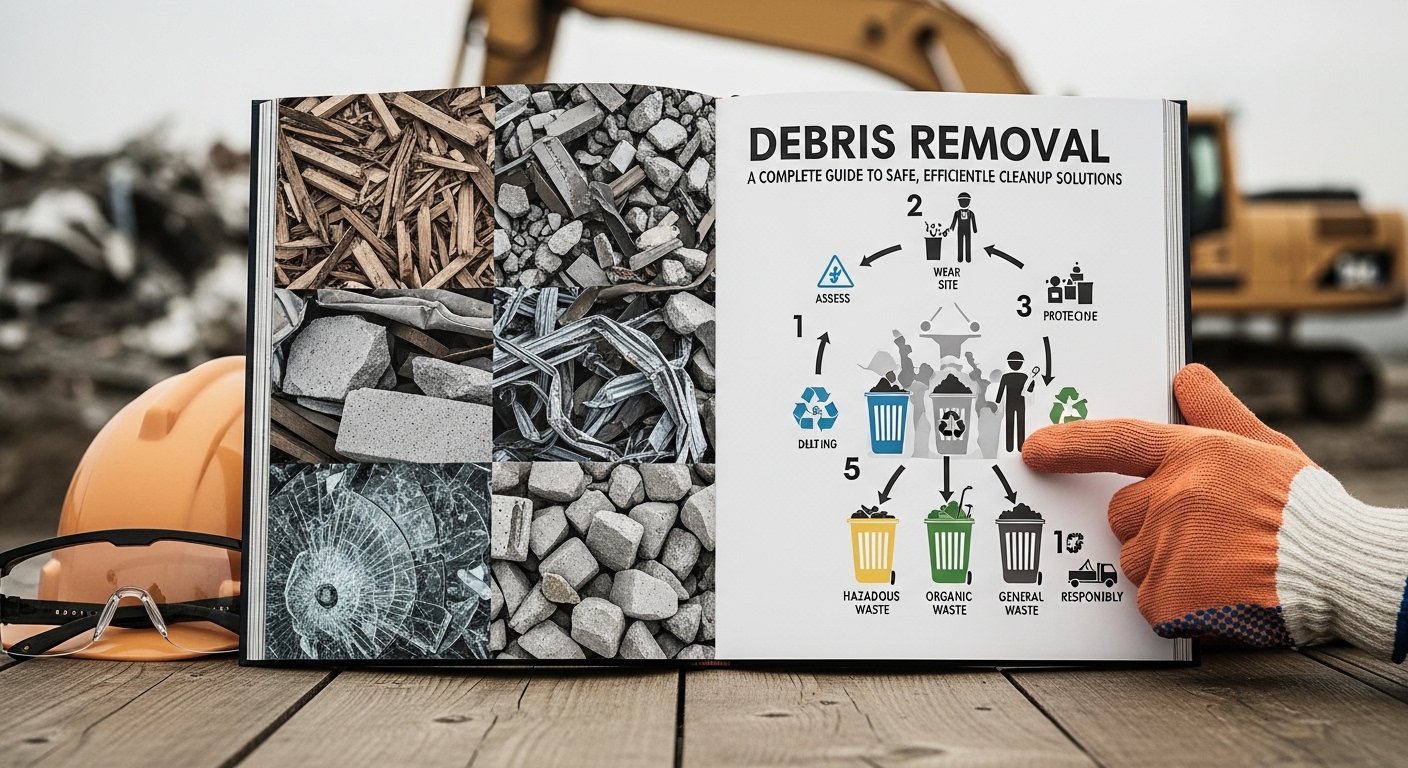
Debris accumulation is an unavoidable part of construction projects, home renovations, natural disasters, landscaping work, and everyday property maintenance. Whether the debris consists of broken concrete, wood scraps, fallen branches, damaged drywall, or general clutter, leaving it unattended can create safety hazards, environmental concerns, and visual disorder. Debris removal plays a critical role in restoring order, protecting health, and ensuring that residential, commercial, and industrial spaces remain functional and safe.
While many property owners attempt to manage cleanup on their own, professional debris removal services offer efficiency, safety, and environmental responsibility that far exceed basic hauling methods. Removing heavy or hazardous materials requires proper equipment, trained personnel, and compliance with local disposal regulations. A systematic approach to debris removal not only enhances property appearance but also prevents injuries, reduces liability risks, and promotes sustainability through responsible waste management.
Understanding Debris Removal and Its Importance
Debris removal refers to the process of collecting, transporting, and disposing of unwanted materials generated from construction, demolition, landscaping, storm damage, or general property maintenance. The materials involved can vary widely in size, weight, and composition, ranging from small household items to large structural components.
The importance of proper debris removal extends beyond aesthetics. Accumulated debris can obstruct walkways, create fire hazards, attract pests, and cause structural strain on buildings or outdoor spaces. In commercial settings, cluttered environments may lead to regulatory violations or workplace accidents. Residential properties with excess debris can experience drainage issues, foundation problems, or reduced property value. By ensuring timely and efficient removal, property owners maintain safety, functionality, and overall appeal.
Types of Debris Commonly Removed
Different situations produce different forms of debris, and understanding these categories helps determine the most appropriate removal method.
Construction and Demolition Debris
Construction and renovation projects generate substantial waste, including drywall, lumber, concrete, metal, insulation, and roofing materials. These materials are often heavy and require specialized handling. Professional debris removal teams are equipped with tools and vehicles capable of safely transporting large volumes of construction waste while adhering to disposal regulations.
Yard and Landscaping Debris
Landscaping projects and seasonal maintenance produce organic debris such as branches, leaves, soil, tree stumps, and grass clippings. Although organic materials may appear harmless, excessive accumulation can hinder plant growth, block drainage systems, and create breeding grounds for pests. Proper debris removal ensures that outdoor spaces remain healthy and visually appealing.
Storm and Disaster Debris
Severe weather events often leave behind fallen trees, broken fences, damaged roofing materials, and scattered household items. Storm debris removal requires rapid response to restore safety and accessibility. Trained professionals assess hazards such as unstable structures, sharp objects, or electrical risks before beginning cleanup operations.
Household and Commercial Junk
General clutter, old furniture, outdated appliances, and unused office equipment also fall under debris removal services. Removing unwanted items not only frees up space but also enhances organization and productivity within homes and businesses.
Benefits of Professional Debris Removal Services
While small-scale cleanup may be manageable independently, large or hazardous debris requires professional assistance. Hiring experts offers several significant advantages.
Safety and Risk Reduction
Heavy materials, sharp objects, and unstable structures pose serious injury risks. Professional debris removal teams use protective gear, specialized equipment, and safe handling techniques to prevent accidents. This reduces liability concerns for property owners and ensures that cleanup is completed without harm.
Efficiency and Time Savings
Debris removal can be time-consuming, especially when dealing with large volumes or multiple material types. Professionals streamline the process with systematic sorting, loading, and transportation procedures. Their experience allows them to complete projects quickly while maintaining high standards of safety and organization.
Proper Disposal and Environmental Responsibility
Responsible disposal is a critical component of debris removal. Many materials require recycling or specific disposal methods to comply with environmental regulations. Professional services understand local guidelines and ensure that waste is processed appropriately, minimizing environmental impact. Recycling materials such as metal, wood, and concrete contributes to sustainability and reduces landfill waste.
Improved Property Appearance and Value
Clearing debris significantly enhances the visual appeal of a property. Clean and organized spaces create a positive impression, increase usability, and may improve market value. For businesses, maintaining tidy premises reflects professionalism and operational efficiency.
The Debris Removal Process
Professional debris removal follows a structured approach designed to maximize efficiency and safety.
The process begins with an assessment of the site. Specialists evaluate the type, volume, and potential hazards associated with the debris. This evaluation determines the equipment, manpower, and disposal methods required.
Next, debris is carefully sorted. Recyclable materials are separated from non-recyclable waste to promote sustainability. Hazardous materials, such as chemicals or treated wood, are handled according to safety regulations.
The loading phase involves transporting debris into designated vehicles or containers using appropriate machinery. Heavy-duty trucks, dumpsters, and lifting equipment are often employed for larger projects.
Finally, debris is transported to recycling centers, landfills, or specialized disposal facilities. Professional services ensure compliance with local laws and environmental standards, providing property owners with peace of mind.
Cost Considerations for Debris Removal
The cost of debris removal varies depending on several factors, including the type of debris, volume, accessibility of the site, and labor requirements. Construction debris and storm damage cleanup may involve higher costs due to the need for specialized equipment and additional manpower.
While some property owners may hesitate due to expense, professional debris removal often proves cost-effective in the long run. Attempting large-scale cleanup without proper tools can result in injuries, property damage, or fines for improper disposal. Investing in professional services ensures efficient, compliant, and safe operations.
When to Schedule Debris Removal
Timing is essential when managing debris. After construction or renovation projects, immediate removal prevents clutter from interfering with further work. Following storms or accidents, prompt debris removal restores safety and accessibility. Seasonal yard maintenance also benefits from scheduled cleanup to maintain landscape health.
Commercial properties should incorporate regular debris removal into maintenance plans to maintain a professional appearance and comply with health and safety standards. Proactive scheduling prevents minor clutter from escalating into larger, more expensive issues.
Challenges in Debris Removal
Debris removal can present logistical challenges, especially in densely populated areas or properties with limited access. Narrow driveways, restricted parking, or uneven terrain may complicate equipment use. Professional services address these challenges with tailored solutions, including compact machinery or manual handling when necessary.
Another challenge involves hazardous materials. Construction sites may contain asbestos, chemicals, or sharp objects that require specialized handling. Trained professionals follow safety protocols to manage these risks responsibly.
Weather conditions can also affect debris removal operations. Rain, extreme heat, or strong winds may delay work or create additional hazards. Experienced teams plan accordingly to ensure safe and efficient execution.
Long-Term Benefits of Regular Debris Removal
Consistent debris removal contributes to long-term property maintenance and sustainability. Clean spaces reduce pest infestations, prevent drainage blockages, and minimize structural strain. Regular cleanup also preserves landscaping and prevents soil contamination.
From a business perspective, organized environments enhance productivity and reduce safety hazards. Employees and customers benefit from clear walkways, uncluttered workspaces, and visually appealing surroundings. Maintaining a debris-free environment demonstrates responsibility and commitment to quality.
Conclusion
Debris removal is a vital service that ensures safety, organization, and environmental responsibility across residential, commercial, and industrial properties. From construction waste and landscaping debris to storm damage and general clutter, proper removal prevents hazards, enhances property value, and promotes sustainability.
By investing in professional debris removal services, property owners benefit from efficiency, safety, and compliance with disposal regulations. The structured approach of assessment, sorting, transportation, and responsible disposal guarantees a thorough and environmentally conscious solution. Ultimately, debris removal is not merely about clearing unwanted materials; it is about maintaining safe, functional, and attractive spaces that support long-term property health and success.



Detailed Mold Inspection Reports for Property Buyers, Sellers, and Homeowners

The Ultimate Guide to Hardwood Floor Installation for a Durable and Elegant Space

Mercedes-Benz GLE Coupe: Luxury SUV Features & Review

Subaru WRX STI discontinued … till further notice
What could have been: The incredible experimental engines that time forgot
