
cleaning
Everything You Need to Know About Drain Cleaning

Effective Solutions, Expert Tips, Preventive Maintenance, Professional Assistance, and Environmentally Friendly Practices for a Safe and Efficient Home
Drain cleaning is one of the most important aspects of maintaining a healthy and efficient plumbing system. Over time, drains accumulate hair, grease, soap residue, food particles, and other debris, restricting water flow and causing unpleasant odors. Ignoring these issues can result in slow drainage, water backups, leaks, and even pipe bursts, often leading to expensive repairs. Understanding the importance of drain cleaning, the techniques available, and preventive measures can save both time and money while ensuring the longevity of your plumbing system. This comprehensive guide covers the causes, methods, benefits, and professional solutions for effective drain cleaning, helping homeowners maintain a clean, functional, and hygienic plumbing network.
Common Causes of Clogged Drains and Why Drain Cleaning Matters
Clogged drains are a frequent issue in kitchens and bathrooms, and the causes can differ depending on location. Bathroom drains often become obstructed with hair and soap scum, which combine to form stubborn blockages. Shower and bathtub drains are particularly vulnerable to hair accumulation, which clings to the pipe interior over time. Kitchen drains experience obstructions from grease, oil, and leftover food particles that stick to pipe walls, gradually reducing water flow and creating unpleasant odors. Even small debris entering drains can accumulate, leading to significant blockages if not addressed promptly. Hard water can worsen drain issues by leaving mineral deposits inside pipes, narrowing their interiors and making clogs more likely. Slow drainage, standing water, gurgling sounds, and foul odors are clear indicators that drain cleaning is required. Addressing these early prevents minor blockages from escalating into costly plumbing emergencies.
Methods for Drain Cleaning: DIY and Professional Approaches
Drain cleaning can be performed using a variety of methods, ranging from simple home remedies to professional services. Manual cleaning is the first step for many homeowners. Tools such as plungers and drain snakes are highly effective. Plungers create suction to dislodge debris near the surface, while drain snakes reach deeper obstructions, breaking up stubborn materials.
Chemical drain cleaners are another common solution, designed to dissolve grease, hair, and other organic matter. While effective temporarily, these products should be used sparingly, as harsh chemicals can damage pipes, particularly older metal ones, and pose health risks. For long-term results, hydro jetting is a professional technique that uses high-pressure water streams to clean pipes thoroughly. Hydro jetting removes clogs, built-up grease, soap residue, and scale, restoring pipes almost like new. Enzyme-based cleaners offer a safer, eco-friendly alternative, relying on natural bacteria or enzymes to gradually break down organic material, keeping drains clear without harming pipes or the environment.
Benefits of Regular Drain Cleaning for Your Plumbing System
Regular drain cleaning offers benefits beyond clearing clogs. Efficient water flow ensures that sinks, showers, and bathtubs function properly, reducing frustration from slow drainage. Clean drains also protect plumbing systems, extending the life of pipes and fixtures. Blockages increase pressure within pipes, which can cause leaks, corrosion, or pipe bursts. Preventive drain cleaning reduces these risks, saving homeowners from costly repairs.
Additionally, clean drains promote a healthier living environment. Blocked drains harbor bacteria, mold, and foul odors that can affect indoor air quality. Routine cleaning minimizes microbial growth, eliminates unpleasant smells, and reduces the likelihood of attracting pests drawn to stagnant water or food residue. Regular drain maintenance also prevents secondary issues such as water damage to floors, cabinets, and walls caused by overflowing or backed-up drains.
DIY Drain Cleaning Tips to Prevent Clogs
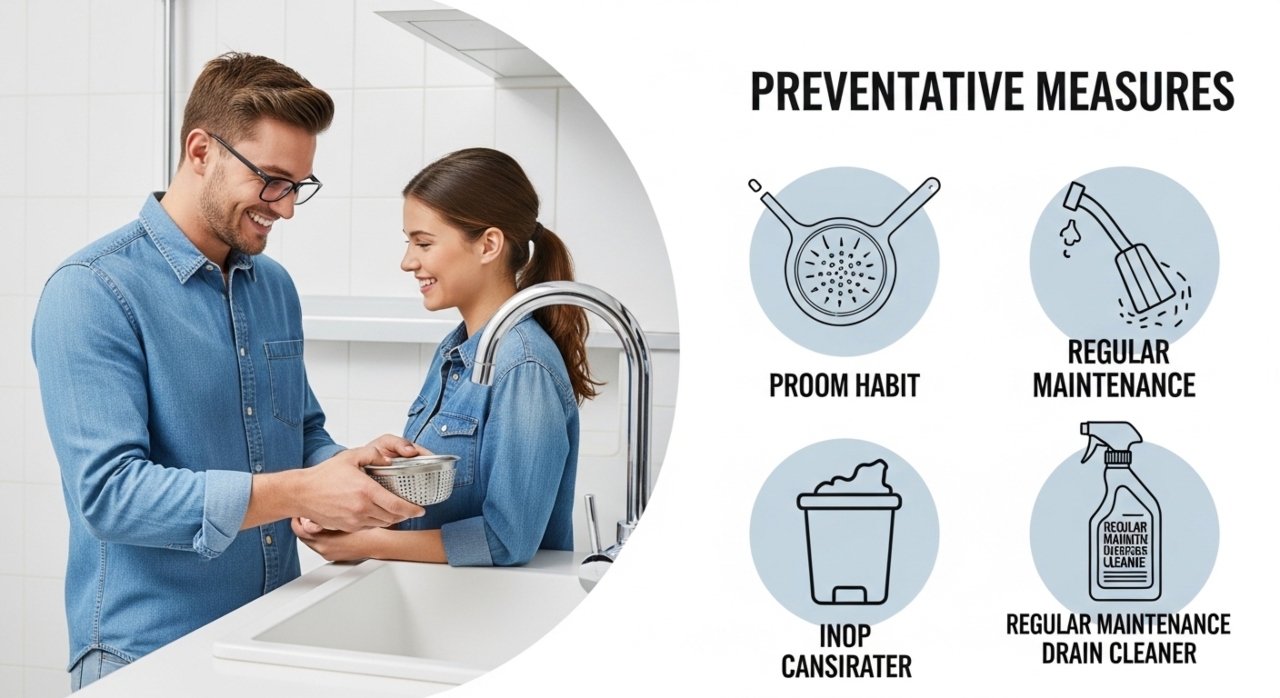
Homeowners can take several steps to maintain drains and reduce the need for professional intervention. Pouring boiling water down a drain dissolves minor grease and soap buildup, especially in kitchen sinks. A combination of baking soda and vinegar creates a natural reaction that breaks down organic matter and neutralizes odors. To use this method, pour half a cup of baking soda followed by half a cup of vinegar into the drain, let it sit for 15–20 minutes, and flush with hot water.
Other preventive measures include using drain screens to catch hair, food particles, and other debris before they enter the pipes. Avoid disposing of grease or oil down kitchen drains, as these substances solidify and cause severe blockages over time. Regularly cleaning drain stoppers and removing trapped debris also helps keep drains flowing smoothly. While DIY techniques work for minor maintenance, persistent issues require professional attention.
When to Seek Professional Drain Cleaning Services
Certain situations call for professional drain cleaning. Persistent slow drainage, multiple clogged drains, foul odors that cannot be eliminated with home remedies, water backup, or unusual gurgling sounds indicate the need for expert services. Licensed plumbers have specialized tools, including motorized drain augers and hydro jetting machines, which efficiently and safely clear stubborn blockages. Professional drain cleaning ensures that the root causes of clogs are addressed, reducing the likelihood of future plumbing issues and protecting the home’s plumbing system.
Choosing a Reliable Drain Cleaning Service
Selecting the right drain cleaning service is essential for long-term results. Homeowners should choose licensed, experienced professionals who prioritize safety, efficiency, and environmental responsibility. Reputable companies use modern equipment and safe cleaning solutions to remove clogs effectively. Many services also offer preventive programs that include regular inspections and maintenance, helping to prevent major blockages before they occur. These programs save homeowners time, money, and stress while keeping plumbing systems in optimal condition.
Environmentally Friendly Drain Cleaning Solutions
Environmental considerations are increasingly important in drain cleaning. Traditional chemical cleaners can contaminate water supplies and harm ecosystems. Enzyme-based cleaners and hydro jetting techniques offer safer, sustainable alternatives. Proper disposal of grease, food particles, and other debris is critical, as these materials should not enter storm drains or municipal systems. Choosing eco-friendly drain cleaning solutions protects both the home and the surrounding environment while maintaining clean, functional plumbing.
Conclusion: Why Drain Cleaning is Essential for a Safe and Efficient Home
Drain cleaning is a vital component of home maintenance, promoting efficiency, hygiene, and the longevity of plumbing systems. Routine cleaning not only clears clogs but also prevents future problems, reduces repair costs, and ensures a healthier living environment. Homeowners can combine DIY solutions, safe chemical alternatives, and professional services to keep drains clear, functional, and environmentally safe. Professional drain cleaning services provide expert support for complex issues, removing stubborn blockages and improving water flow. By combining professional expertise with preventive maintenance and responsible DIY practices, homeowners can protect their plumbing systems, enhance home safety, and enjoy smooth, trouble-free drainage for years to come. Investing in regular drain cleaning today ensures a cleaner, healthier, and more efficient home.


Detailed Mold Inspection Reports for Property Buyers, Sellers, and Homeowners

The Ultimate Guide to Hardwood Floor Installation for a Durable and Elegant Space

Mercedes-Benz GLE Coupe: Luxury SUV Features & Review

Subaru WRX STI discontinued … till further notice
What could have been: The incredible experimental engines that time forgot
