
HVAC & Cooling
Fast and Reliable Air Conditioning Repair Services to Restore Cool Comfort in Your Home During the Hottest Days of the Year

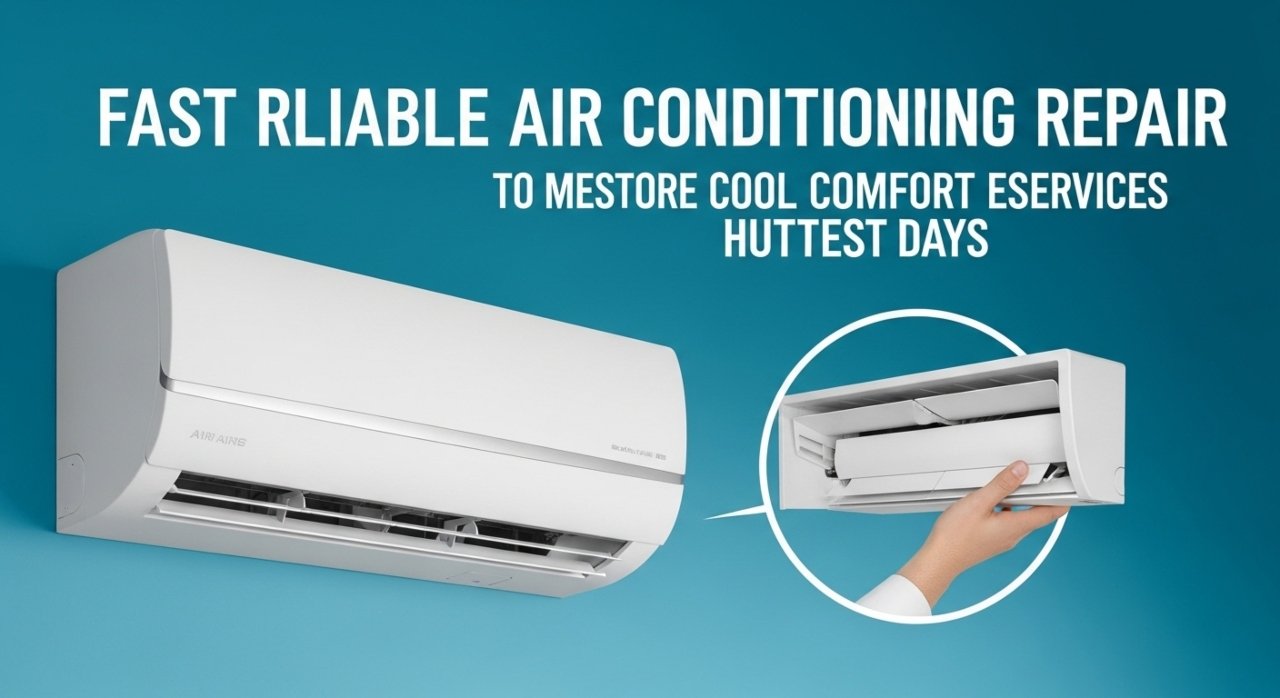
Air conditioning has become an essential component of modern living, providing comfort, improved air quality, and relief from extreme temperatures. Whether in homes, offices, or commercial buildings, properly functioning air conditioning systems ensure that indoor environments remain pleasant, safe, and conducive to daily activities. When an air conditioner malfunctions, it can significantly disrupt comfort, efficiency, and even health, making timely and professional air conditioning repair a critical consideration for homeowners and businesses alike.
The process of air conditioning repair goes far beyond simply fixing a broken unit. It involves diagnosing issues accurately, replacing faulty components, restoring efficiency, and ensuring that the system operates safely and reliably. Modern air conditioning systems are complex, combining electrical components, refrigerant systems, airflow mechanisms, and digital controls. Attempting repairs without proper expertise can result in further damage, higher energy bills, and potential safety hazards. Understanding the fundamentals of air conditioning systems, common problems, and effective repair strategies can help homeowners make informed decisions about maintenance and service, ultimately prolonging the life of their systems.
How Air Conditioning Systems Work
To understand the importance of air conditioning repair, it is helpful to have a basic knowledge of how these systems operate. Air conditioners function by removing heat from indoor air and transferring it outside, creating a cool and comfortable environment. This is achieved through the circulation of refrigerants, compression and expansion cycles, and airflow regulation. The system typically consists of several key components, including the compressor, condenser, evaporator coil, expansion valve, and fans. Each component plays a vital role in cooling, dehumidifying, and circulating air throughout the space.
The compressor pumps the refrigerant through the system, absorbing heat from the indoor air and releasing it outside. The evaporator coil absorbs heat and moisture from the indoor environment, while the condenser coil dissipates the heat outside. Fans facilitate airflow across these coils, ensuring proper heat exchange and consistent cooling. The thermostat or digital control system regulates the temperature by signaling the system when to start or stop cooling, maintaining a stable indoor climate. If any of these components fail or become inefficient, it can lead to inadequate cooling, increased energy consumption, or even complete system breakdown, necessitating professional air conditioning repair.
Common Issues Requiring Air Conditioning Repair
Air conditioning systems can encounter a wide range of problems due to wear and tear, environmental factors, or improper maintenance. Some of the most common issues include refrigerant leaks, compressor failure, clogged filters, malfunctioning thermostats, electrical problems, and frozen coils. Each issue affects the system differently and requires specific repair solutions.
Refrigerant leaks are particularly concerning because low refrigerant levels reduce cooling efficiency and may damage the compressor over time. Clogged filters and coils restrict airflow, forcing the system to work harder and increasing energy consumption. Electrical malfunctions, such as faulty wiring or blown capacitors, can prevent the system from operating at all, while thermostat issues lead to inconsistent temperature control. Ice formation on evaporator coils is another common problem, usually caused by restricted airflow or low refrigerant, which reduces cooling performance and may damage the system. Timely detection and repair of these problems prevent more extensive damage and costly replacements.
Signs That You Need Air Conditioning Repair
Recognizing early signs of air conditioning problems is essential for preventing larger issues. Common indicators include reduced cooling performance, unusual noises, strange odors, frequent cycling on and off, higher energy bills, and water leakage around the unit. Reduced airflow or inconsistent temperatures across rooms often signal blocked vents, failing fans, or refrigerant issues. Strange sounds such as rattling, hissing, or grinding may indicate mechanical problems or loose components. Unpleasant odors can result from mold growth, clogged drains, or electrical issues. Prompt attention to these warning signs allows professional technicians to diagnose and repair problems before they escalate, maintaining system efficiency and comfort.
The Air Conditioning Repair Process
Professional air conditioning repair typically begins with a thorough inspection and diagnostic assessment. Technicians evaluate the system, identify faulty components, check refrigerant levels, inspect electrical connections, and assess airflow. Once the problem is diagnosed, technicians determine the best course of action, whether it involves repairing a specific component, recharging refrigerant, or replacing damaged parts.
Repairs often involve tasks such as fixing or replacing compressors, evaporator or condenser coils, capacitors, fans, thermostats, or sensors. Cleaning or replacing clogged air filters, clearing condensate drains, and testing refrigerant levels are standard procedures. After repairs, the system is tested for performance, efficiency, and safety, ensuring that it operates at optimal levels. Proper documentation and guidance on maintenance are provided to help homeowners prevent future issues. Professional air conditioning repair not only restores comfort but also protects the investment in the HVAC system by extending its lifespan.
Preventive Maintenance to Reduce Repair Needs
Regular preventive maintenance is key to minimizing the frequency and cost of air conditioning repair. Seasonal inspections, filter replacements, coil cleaning, refrigerant checks, and electrical system testing can identify potential problems early and maintain system efficiency. Homeowners should schedule professional maintenance at least once or twice a year, ideally before peak cooling seasons.
Preventive maintenance also includes cleaning or replacing air filters, ensuring unobstructed airflow, checking thermostat functionality, and inspecting drainage systems. Well-maintained systems operate more efficiently, consume less energy, and are less prone to unexpected breakdowns. By investing in routine care, homeowners can reduce repair expenses, enhance cooling performance, and prolong the life of their air conditioning units.
Benefits of Professional Air Conditioning Repair
While some minor repairs can be attempted by knowledgeable homeowners, professional air conditioning repair offers several advantages. Certified technicians have the expertise, tools, and knowledge to diagnose complex problems accurately, ensuring that repairs are both effective and safe. Professionals can handle refrigerants safely, adhere to industry standards, and prevent further damage to delicate components.
Additionally, professional repair services provide warranties or guarantees, offering peace of mind and protection against recurring issues. Timely and professional repairs improve energy efficiency, reduce operating costs, and maintain consistent comfort levels. Overall, investing in professional air conditioning repair safeguards the performance, reliability, and longevity of the system, making it a cost-effective and practical choice for homeowners and businesses alike.
Conclusion
Air conditioning repair is an essential aspect of maintaining a comfortable, efficient, and safe indoor environment. Modern HVAC systems are complex, requiring specialized knowledge and skills to diagnose and repair problems effectively. By understanding the components of air conditioning systems, recognizing early warning signs, and seeking timely professional repair, homeowners and businesses can prevent costly breakdowns, reduce energy consumption, and extend the life of their systems.
Routine preventive maintenance further reduces the need for frequent repairs, ensuring that air conditioners continue to provide reliable cooling performance year-round. Whether addressing refrigerant leaks, mechanical failures, electrical issues, or airflow problems, professional air conditioning repair restores comfort, protects investments, and enhances overall system efficiency. In today’s climate, ensuring that air conditioning systems operate optimally is not just a matter of convenience but a necessity for health, safety, and well-being. Prioritizing regular service and professional repair ensures a home or workspace remains cool, comfortable, and fully functional, no matter the season.


Strengthening Content Integrity with the CudekAI AI Detector

Detailed Mold Inspection Reports for Property Buyers, Sellers, and Homeowners

The Ultimate Guide to Hardwood Floor Installation for a Durable and Elegant Space

Subaru WRX STI discontinued … till further notice
What could have been: The incredible experimental engines that time forgot
