
Home improvement
Fence Installation for Safety, Security, and Style: What Every Homeowner Should Know

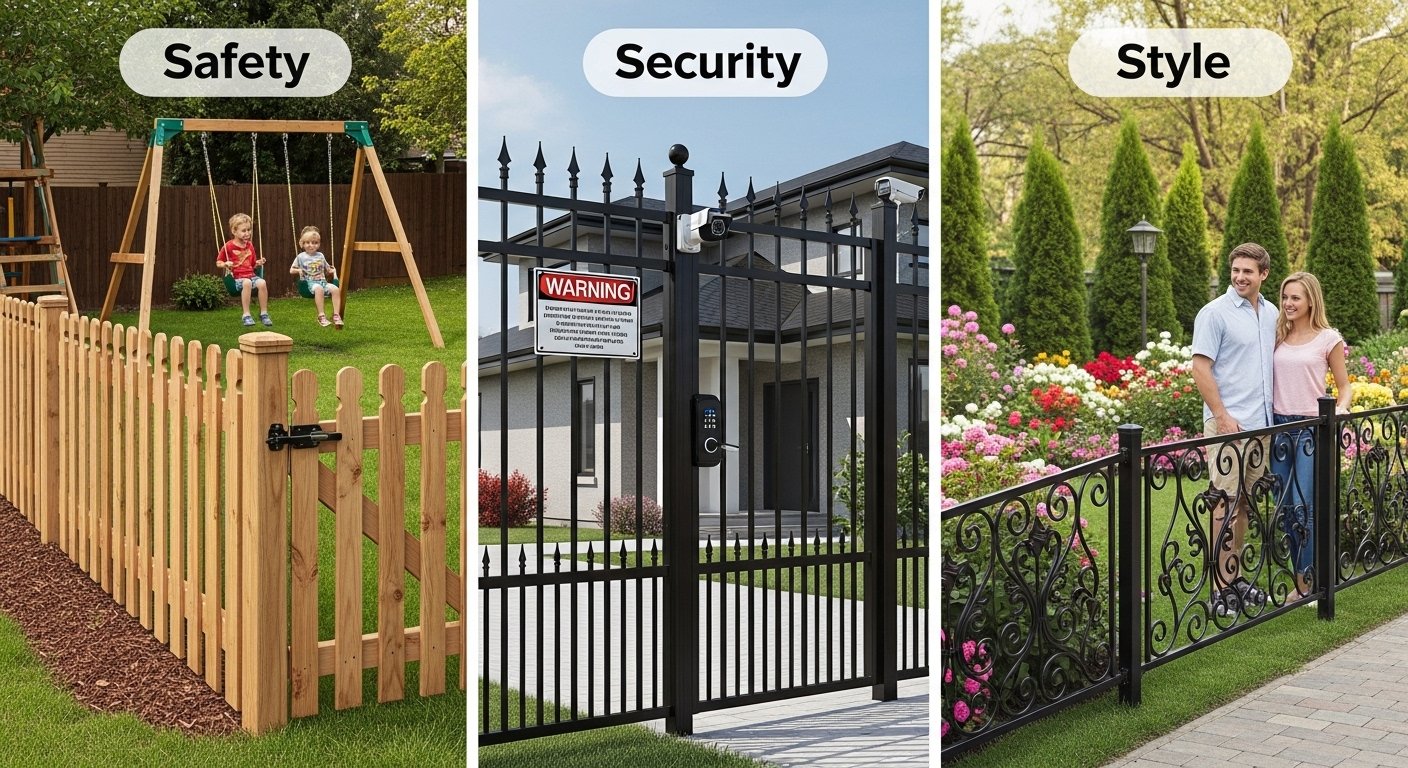
Fence installation is one of the most effective ways to enhance a property’s security, privacy, and overall aesthetic appeal. Whether for residential, commercial, or public properties, a well-designed and properly installed fence creates boundaries, adds visual interest, and provides functional benefits such as safety for children and pets. A carefully planned fence can also increase property value, complement landscaping, and define outdoor spaces with style and durability.
Successful fence installation requires careful planning, selection of appropriate materials, and professional execution. It is not just about putting posts in the ground; it involves evaluating the site, choosing the right type of fence, adhering to local regulations, and ensuring structural integrity. Improper installation can lead to issues such as leaning, warping, or premature deterioration, reducing the lifespan of the fence and its effectiveness.
This comprehensive guide explores the types, benefits, planning strategies, installation processes, and maintenance tips associated with fence installation, providing homeowners and property managers with a detailed resource to achieve long-lasting results.
Understanding the Purpose of Fence Installation
The primary purpose of a fence extends beyond simply marking property lines. Fences serve multiple functional and aesthetic roles. Security is a key consideration, as fences help deter trespassers, prevent unauthorized access, and create safe boundaries for families and pets. Privacy is another important factor, particularly in residential areas, where fencing shields yards from neighbors and creates secluded outdoor spaces.
Fences also contribute to the aesthetic appeal of a property. They define spaces, complement landscaping, and provide a cohesive look to the overall design. In commercial or public settings, fences can guide traffic, protect sensitive areas, and enhance visual organization. Environmental considerations such as windbreaks or noise reduction can also influence fence design and placement, showcasing the multifaceted role fences play in property management.
Types of Fences
Fence installation requires selecting the right type of fence for the intended purpose. Different materials, designs, and heights offer distinct advantages, depending on the property’s needs.
Wood Fences
Wood fences are among the most popular for residential applications due to their natural appearance, versatility, and customizable designs. They can be constructed as picket fences, privacy fences, or decorative panels. While aesthetically pleasing, wood requires maintenance such as sealing, painting, or staining to prevent rot, insect damage, and weathering.
Vinyl Fences
Vinyl fences offer durability, low maintenance, and resistance to moisture and pests. They are available in various styles and colors and are ideal for homeowners seeking a long-lasting, clean-looking fence without the upkeep associated with wood. Vinyl is also resistant to warping and cracking, providing a consistent appearance over time.
Chain-Link Fences
Chain-link fences are durable, cost-effective, and commonly used for security purposes. They are ideal for commercial properties, playgrounds, or areas requiring visibility while maintaining boundaries. While less aesthetically versatile than wood or vinyl, chain-link fences can be coated with vinyl to improve appearance and reduce rusting.
Aluminum and Metal Fences
Aluminum and metal fences offer a combination of durability, low maintenance, and decorative appeal. Wrought iron fences provide an elegant, classic look while aluminum offers a lightweight and rust-resistant alternative. These fences are commonly used for both residential and commercial properties, providing security and enhancing architectural aesthetics.
Composite and Specialty Fences
Composite fences combine wood fibers and recycled plastics, providing the look of wood with greater durability and reduced maintenance. Specialty fences, such as bamboo or decorative metal panels, offer unique aesthetic appeal for homeowners seeking a distinctive design.
Planning for Fence Installation
Proper planning is critical to the success of any fence installation project. Homeowners must assess site conditions, determine property lines, and consider local building codes or homeowner association regulations. Planning ensures that the fence meets functional needs while adhering to legal requirements.
Site Assessment
A thorough assessment of the installation site is essential. This includes evaluating soil conditions, terrain, and potential obstacles such as trees, rocks, or utility lines. Proper grading and leveling prevent structural issues and ensure stability. Identifying underground utilities through local marking services is crucial to avoid damage or safety hazards during post installation.
Selecting Materials and Design
Choosing the appropriate materials and fence design depends on the property’s purpose and aesthetic goals. Security-focused fences may prioritize height and strength, while decorative fences emphasize appearance and landscape integration. Understanding the advantages, limitations, and costs of each material helps homeowners make informed decisions.
Budgeting
Budgeting is a key step in fence installation planning. Costs vary depending on material, labor, height, length, and additional features such as gates or decorative elements. Setting a realistic budget allows homeowners to prioritize essential features while achieving a visually appealing and durable fence.
The Fence Installation Process
Fence installation involves several stages that require careful execution to ensure stability, durability, and aesthetic appeal.
Marking and Preparing the Site
The first step involves marking the fence line, establishing post locations, and ensuring alignment. Proper preparation includes clearing vegetation, removing obstacles, and leveling the ground as needed. Accurate measurements prevent gaps, misalignment, and uneven posts.
Installing Fence Posts
Fence posts provide the structural backbone of the fence. Posts must be set at the correct depth, often secured with concrete, to ensure stability and resistance to wind or soil movement. Proper spacing between posts depends on the type of fence and material, balancing strength with design aesthetics.
Attaching Fence Panels or Materials
Once posts are set, fence panels, boards, or materials are attached according to the chosen design. Proper alignment, fastening techniques, and reinforcement are essential to ensure the fence remains straight, secure, and visually appealing over time.
Gates and Accessories
Adding gates or other functional elements completes the installation process. Proper alignment, locking mechanisms, and hardware installation ensure smooth operation and security. Accessories such as post caps, decorative elements, or lighting can enhance both aesthetics and functionality.
Maintenance and Longevity
Fence maintenance depends on the material used. Wood fences require regular sealing, staining, or painting to prevent decay, warping, and insect damage. Vinyl, aluminum, and metal fences generally require minimal maintenance but benefit from periodic cleaning and inspections for rust, damage, or loose hardware.
Routine inspections identify potential issues early, allowing for timely repairs that extend the fence’s life. Proper care, combined with professional installation, ensures that fences remain functional, secure, and visually appealing for years.
Benefits of Professional Fence Installation
Professional fence installation in Cary provides several advantages over DIY approaches. Experienced installers ensure accurate measurements, proper post depth, correct alignment, and compliance with local codes. Professionals also have access to specialized tools and materials, reducing the risk of errors and ensuring long-term durability.
A professionally installed fence enhances property value, improves security, and provides peace of mind. Additionally, professional services often include warranties or guarantees, offering protection against installation defects or material failures.
Conclusion
Fence installation is a strategic investment that enhances property security, privacy, and aesthetic appeal. By selecting appropriate materials, planning thoroughly, and executing installation with precision, homeowners can achieve a functional and visually pleasing fence that lasts for decades.
Understanding the various types of fences, their benefits, and the installation process allows property owners to make informed decisions that align with both practical needs and design goals. Regular maintenance ensures longevity and preserves the fence’s appearance and effectiveness.
Whether for residential, commercial, or public properties, professional fence installation provides a reliable, durable, and visually appealing solution that enhances property value, protects occupants, and defines outdoor spaces with style and functionality.



Mobile IV Therapy: Bringing Advanced Hydration and Wellness Directly to You

Dealing With Sewer Line Problems? Understand When Repairs Are Enough and When a Full Replacement Becomes Necessary

Brush Clearing Solutions for Residential and Commercial Properties With Focus on Efficiency and Environmental Care

Subaru WRX STI discontinued … till further notice
What could have been: The incredible experimental engines that time forgot
