
Real estate
From Overgrown to Ready-to-Build: The Long-Term Benefits of Land Clearing

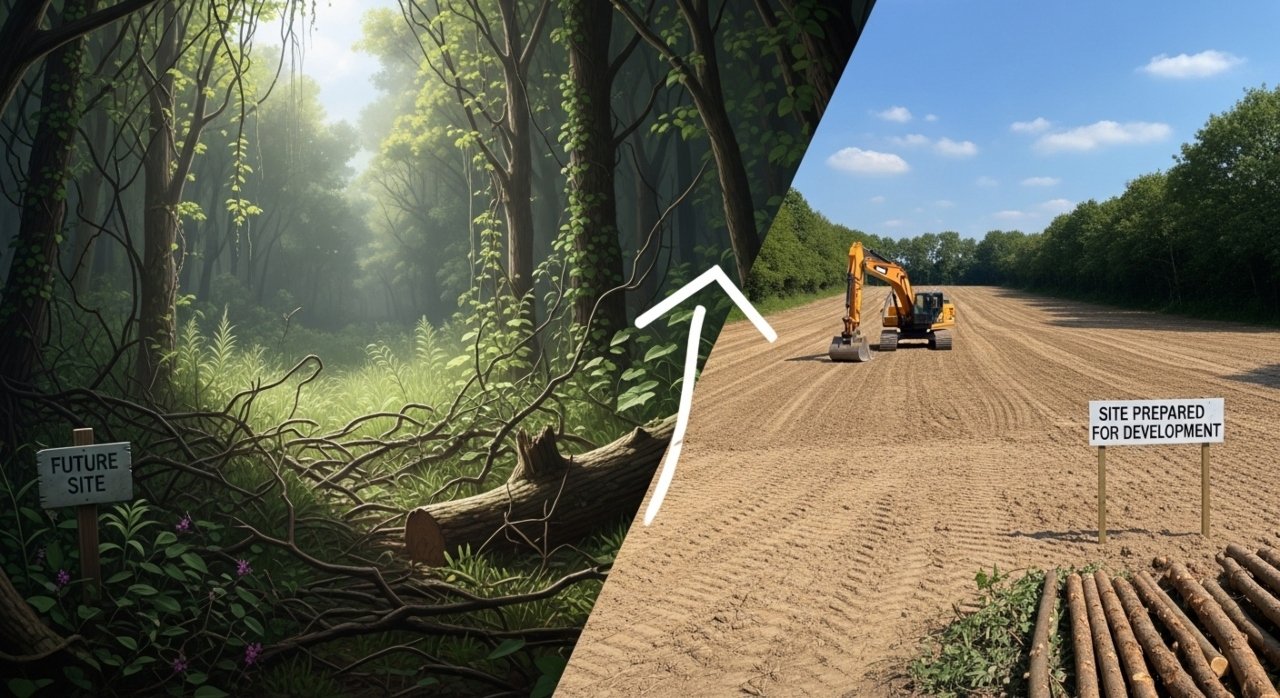
Transforming an overgrown, unmanaged property into a clean, stable, and build-ready site is one of the most important first steps in any development project. Whether you are preparing land for residential construction, agricultural use, commercial development, or landscaping improvements, professional land clearing sets the stage for long-term success. While some property owners view clearing as simply removing trees and brush, the process involves careful planning, environmental consideration, soil management, and strategic preparation. When done correctly, land clearing delivers lasting benefits that extend far beyond the initial visual improvement. It enhances safety, increases property value, improves accessibility, supports infrastructure development, and ensures a solid foundation for future construction.
Creating a Build-Ready Foundation
One of the most significant long-term benefits of land clearing is the ability to create a stable and build-ready foundation. Overgrown properties often contain dense vegetation, invasive roots, uneven terrain, hidden debris, and unstable soil conditions. Attempting to build without properly clearing and preparing the land can lead to structural problems, drainage issues, and increased construction costs later. Removing unwanted trees, shrubs, stumps, and surface obstacles ensures that the ground is properly leveled and compacted, providing a strong base for foundations, driveways, roads, and utility installations. Proper grading and soil stabilization also help prevent erosion, settling, and water pooling, which can compromise buildings over time. By investing in professional land clearing at the beginning of a project, property owners significantly reduce the risk of costly structural repairs in the future.
Increasing Property Value and Market Appeal
Cleared land is generally more attractive to potential buyers, investors, and developers. An overgrown lot can appear neglected, inaccessible, and difficult to develop, which often lowers perceived value. In contrast, a properly cleared property presents a blank canvas with clear boundaries and visible potential. This transformation enhances curb appeal and demonstrates readiness for construction or landscaping improvements. For landowners looking to sell, clearing can increase marketability and shorten the time a property remains listed. Developers also benefit from improved efficiency when the site is already prepared, reducing delays associated with site preparation. Over time, this improved presentation and usability translate into stronger resale value and higher returns on investment.
Improving Safety and Reducing Hazards
Overgrown properties often present hidden dangers. Thick brush can conceal uneven ground, fallen branches, sharp debris, and wildlife habitats that pose risks to people and equipment. Dead or diseased trees may become unstable, increasing the likelihood of falling during storms or high winds. Additionally, dense vegetation can create fire hazards, particularly in dry climates where brush accumulation increases wildfire risk. Professional land clearing eliminates these threats by removing unstable trees, reducing combustible materials, and improving overall visibility across the property. The result is a safer environment for workers, residents, and visitors. Improved safety not only protects individuals but also minimizes liability concerns for property owners.
Enhancing Drainage and Preventing Erosion
Effective land clearing includes proper grading and soil management, both of which play critical roles in drainage control. Overgrown lots often have poor water flow due to obstructed natural drainage paths and uneven ground surfaces. Water accumulation can weaken soil structure, promote mold growth, and cause long-term damage to future buildings. By clearing vegetation and strategically reshaping the terrain, professionals can create slopes that direct water away from structures and prevent pooling. Erosion control measures, such as retaining healthy root systems where appropriate or installing erosion barriers, further protect soil integrity. In the long term, improved drainage reduces maintenance costs and preserves the structural stability of roads, driveways, and foundations.
Supporting Infrastructure Development
Before utilities such as water lines, sewer systems, electrical conduits, and communication cables can be installed, the land must be accessible and free from obstructions. Overgrown vegetation and buried debris complicate excavation and trenching work, increasing labor time and equipment wear. Land clearing simplifies infrastructure installation by removing obstacles and providing clear access for machinery. This streamlined process reduces construction delays and ensures that infrastructure systems are installed accurately and safely. Proper site preparation also makes it easier to plan future expansions, additions, or landscaping improvements without requiring extensive rework.
Promoting Healthy Land Management
Contrary to common misconceptions, land clearing can support environmental responsibility when performed thoughtfully. Selective clearing methods allow property owners to remove invasive species while preserving healthy, beneficial trees. Invasive plants often compete with native vegetation for nutrients and water, disrupting local ecosystems. Removing them encourages healthier plant growth and improves biodiversity. Additionally, modern clearing techniques such as forestry mulching help maintain soil health by turning vegetation into nutrient-rich mulch that protects the ground from erosion and improves organic content. Responsible land clearing balances development goals with environmental stewardship, ensuring that the land remains productive and sustainable in the long term.
Improving Accessibility and Usability
Unmanaged land can be difficult to navigate, limiting its practical use. Thick underbrush and fallen trees restrict access for vehicles, equipment, and foot traffic. Clearing creates open pathways and defined spaces that enhance usability for farming, recreation, construction, or landscaping. Improved accessibility also simplifies property maintenance, allowing owners to monitor the condition of their land more effectively. For agricultural purposes, cleared land enables better crop planning, irrigation system installation, and equipment operation. For residential or commercial projects, it facilitates smoother construction processes and long-term property management.
Reducing Pest and Wildlife Issues
Overgrown properties often become habitats for rodents, insects, and other wildlife that may cause structural damage or pose health risks. Dense vegetation provides shelter and breeding grounds for pests such as termites, mosquitoes, and snakes. Clearing excess brush and debris reduces these habitats and makes the property less attractive to unwanted wildlife. By improving airflow and sunlight exposure, land clearing also discourages mold growth and damp conditions that contribute to pest infestations. Long-term pest control begins with maintaining a clean and open environment that limits opportunities for infestation.
Preparing for Landscaping and Outdoor Design
Land clearing is not only essential for construction but also for landscaping and outdoor design projects. Whether planning a garden, lawn, patio, driveway, or recreational area, a cleared and graded surface ensures that landscaping elements are installed correctly and function as intended. Proper preparation improves soil conditions, enhances irrigation efficiency, and provides a clear blueprint for design implementation. Over time, well-planned landscaping built on properly cleared land requires less maintenance and delivers better aesthetic results.
Increasing Project Efficiency and Cost Savings
While land clearing requires an initial investment, it often results in long-term cost savings. Attempting to build or landscape without thorough site preparation can lead to unexpected delays, equipment damage, and structural complications that increase expenses. Professional clearing minimizes these risks by addressing obstacles before construction begins. Efficient preparation shortens project timelines, reduces labor hours, and prevents costly redesigns. By eliminating potential complications early, property owners protect their budgets and maintain greater control over development schedules.
Choosing Professional Land Clearing Services
Achieving the full range of long-term benefits requires expertise and proper equipment. Professional land clearing contractors assess terrain conditions, identify environmental considerations, and determine the most effective clearing methods for each property. They use specialized machinery to remove vegetation efficiently while protecting soil structure and surrounding areas. Experienced professionals also ensure compliance with local regulations and environmental guidelines, preventing legal complications or fines. By partnering with qualified experts, property owners gain confidence that the land will be prepared safely, responsibly, and effectively.
Conclusion
Transforming an overgrown property into a ready-to-build site is a strategic investment that delivers lasting value. Land clearing in Waskom provides a stable foundation for construction, enhances safety, improves drainage, supports infrastructure development, and increases property value. Beyond immediate visual improvement, it contributes to long-term land management, pest reduction, and environmental balance when performed responsibly. Whether the goal is residential development, agricultural expansion, commercial construction, or landscape enhancement, professional land clearing sets the groundwork for success. By starting with a properly prepared site, property owners ensure that every future improvement rests on a secure and sustainable foundation.



Detailed Mold Inspection Reports for Property Buyers, Sellers, and Homeowners

The Ultimate Guide to Hardwood Floor Installation for a Durable and Elegant Space

Mercedes-Benz GLE Coupe: Luxury SUV Features & Review

Subaru WRX STI discontinued … till further notice
What could have been: The incredible experimental engines that time forgot
