
Land management
How Forestry Mulching Improves Soil Health and Prevents Erosion

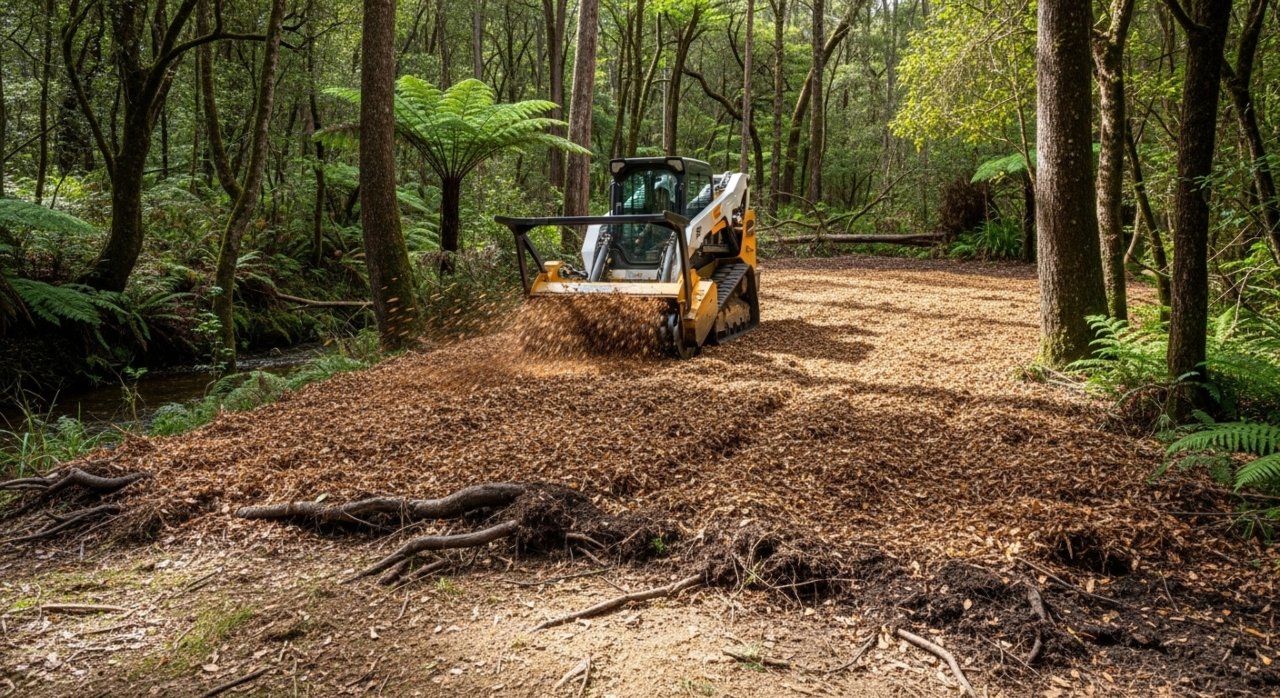
Land management plays a crucial role in maintaining healthy ecosystems, protecting soil quality, and preventing environmental degradation. Whether managing agricultural land, preparing property for development, or restoring natural habitats, proper vegetation management is essential. One of the most effective and environmentally responsible land-clearing methods used today is forestry mulching. Unlike traditional land clearing techniques that remove vegetation entirely, forestry mulching processes trees, brush, and organic materials directly into mulch, which is then spread across the ground surface.
This process offers numerous environmental benefits, particularly in improving soil health and preventing erosion. By transforming unwanted vegetation into natural ground cover, forestry mulching protects soil structure, enhances nutrient levels, and stabilizes landscapes. Understanding how this process works can help landowners, developers, and property managers make informed decisions when managing their land.
Understanding the Forestry Mulching Process
Forestry mulching is a land-clearing technique that uses specialized machinery equipped with powerful rotary cutting attachments to grind trees, shrubs, and vegetation into fine organic mulch. Instead of removing debris from the site or burning it, the mulched material is left on the ground where it acts as a protective layer for the soil.
This approach differs significantly from traditional land clearing methods such as bulldozing, burning, or hauling vegetation away. Conventional techniques often disturb the soil structure and leave the ground exposed to erosion. In contrast, forestry mulching preserves the soil while simultaneously improving its condition.
The mulch produced during the process forms a natural barrier that protects the soil from environmental stress while gradually decomposing to enrich the ground with organic matter. This makes forestry mulching one of the most sustainable options for vegetation management and land preparation.
How Forestry Mulching Enhances Soil Health
Healthy soil is the foundation of productive landscapes, agriculture, and ecosystems. Forestry mulching contributes to soil health in several important ways.
One of the most significant benefits is the addition of organic matter. As the mulched vegetation breaks down, it releases nutrients back into the soil. These nutrients support beneficial microorganisms and improve overall soil fertility. Over time, this natural decomposition process enhances the soil’s structure and increases its ability to support plant growth.
The mulch layer also helps regulate soil temperature. By covering the ground, it reduces extreme temperature fluctuations that can damage plant roots and soil organisms. This stable environment encourages microbial activity and supports healthy soil ecosystems.
Another benefit is improved soil moisture retention. The mulch acts as a protective barrier that reduces evaporation caused by sunlight and wind. By maintaining consistent moisture levels, the soil remains more productive and better able to support vegetation.
Additionally, forestry mulching reduces soil compaction. Heavy machinery used in traditional clearing methods often compresses the soil, restricting root growth and reducing water infiltration. Because forestry mulching typically requires fewer machines and minimal soil disturbance, it helps preserve the soil’s natural structure.
Preventing Soil Erosion Through Forestry Mulching
Soil erosion is one of the most serious challenges faced in land management. When soil is left exposed after vegetation removal, wind and rain can quickly carry away the topsoil layer. This topsoil contains essential nutrients needed for plant growth and ecosystem stability.
Forestry mulching provides an effective solution to this problem by leaving a protective mulch layer across the ground. This layer absorbs the impact of rainfall, reducing the force that would otherwise dislodge soil particles. By slowing water movement across the land, mulch also minimizes surface runoff.
The mulch layer acts like a sponge, allowing water to soak gradually into the soil instead of washing it away. This process improves groundwater recharge and reduces sediment flow into nearby streams and rivers.
Furthermore, by preserving root systems of remaining vegetation, forestry mulching helps anchor soil in place. Roots stabilize the ground and prevent soil displacement during heavy rainfall or wind events.
These combined effects make forestry mulching one of the most effective methods for erosion control in sensitive landscapes.
Improving Land Productivity and Vegetation Growth
Another major advantage of forestry mulching is its ability to promote healthier vegetation growth. When invasive plants, dense brush, or unwanted trees are removed, desirable plant species gain access to more sunlight, nutrients, and water.
The nutrient-rich mulch left behind supports new plant growth by enriching the soil with organic material. As the mulch decomposes, it releases nitrogen, carbon, and other essential nutrients that plants require.
The improved soil structure also enhances root penetration and water absorption. Healthy root systems lead to stronger and more resilient vegetation, whether the goal is agricultural production, wildlife habitat restoration, or landscaping.
In many cases, landowners notice improved grass growth and healthier native plants within a short time after forestry mulching is completed.
Supporting Sustainable Land Management
Sustainability is an increasingly important factor in modern land management practices. Forestry mulching offers several environmentally friendly advantages compared to traditional land clearing methods.
First, it reduces the need for burning vegetation. Burning releases harmful emissions into the atmosphere and can contribute to air pollution. Forestry mulching eliminates this issue by converting vegetation into beneficial ground cover.
Second, it minimizes waste. Instead of transporting debris to landfills, the material is recycled directly on-site. This reduces transportation costs and environmental impact.
Third, the process requires fewer machines and less fuel than conventional clearing methods, reducing carbon emissions and overall energy consumption.
Because of these environmental benefits, forestry mulching is widely used in conservation projects, habitat restoration, and environmentally sensitive areas.
Applications of Forestry Mulching in Different Environments
Forestry mulching is a versatile technique that can be applied in many types of landscapes and projects.
In agricultural settings, it helps farmers clear overgrown land while improving soil quality for future crop production. The organic mulch enriches the soil and prepares the land for planting.
For property owners and developers, forestry mulching is an efficient way to prepare land for construction while preserving soil stability and reducing erosion risks.
In forestry management, it is often used to create firebreaks, maintain access roads, and manage invasive vegetation without damaging surrounding ecosystems.
Wildlife habitat restoration projects also benefit from forestry mulching. By selectively clearing invasive plants and encouraging native vegetation growth, land managers can restore natural habitats for wildlife.
Additionally, municipalities and utility companies use forestry mulching to maintain rights-of-way, manage roadside vegetation, and improve land accessibility.
Long-Term Environmental Benefits
The environmental advantages of forestry mulching extend far beyond immediate land clearing. Over time, the organic material left on the ground continues to improve soil health and support ecosystem balance.
The gradual decomposition of mulch increases soil organic content, which enhances nutrient availability and microbial activity. This leads to stronger and more resilient plant communities.
Improved soil structure also supports better water infiltration and reduces the risk of flooding or runoff. Healthy soil absorbs water more efficiently, reducing pressure on drainage systems and protecting nearby water sources.
Additionally, the mulch layer suppresses weed growth by blocking sunlight from reaching weed seeds. This reduces the need for chemical herbicides and supports natural vegetation management.
Economic Advantages for Landowners
In addition to environmental benefits, forestry mulching can provide financial advantages. Because the process combines clearing, grinding, and mulching into a single operation, it often requires less time and labor than traditional clearing methods.
Eliminating the need for debris hauling and disposal can significantly reduce project costs. Landowners also benefit from improved soil fertility, which can reduce the need for fertilizers or soil amendments in the future.
By preventing erosion and protecting soil quality, forestry mulching also reduces long-term maintenance costs associated with land restoration.
For agricultural landowners, healthier soil and improved vegetation growth can translate directly into increased productivity and profitability.
Best Practices for Successful Forestry Mulching
To achieve the best results from forestry mulching, it is important to follow proper planning and execution practices.
Assessing the land before starting the project helps determine which vegetation should be removed and which plants should remain. Selective clearing allows landowners to preserve beneficial trees and native vegetation.
Using experienced operators and professional-grade equipment ensures the process is performed safely and efficiently. Skilled operators can adjust cutting depth and mulch distribution to maximize soil protection.
It is also important to monitor the land after mulching is complete. Observing vegetation growth and soil conditions allows property owners to identify areas that may require additional management.
Properly executed forestry mulching can transform overgrown or neglected land into a healthier and more productive environment.
Conclusion
Forestry mulching has become one of the most effective and environmentally responsible methods for land clearing and vegetation management. By grinding vegetation into nutrient-rich mulch and leaving it on the ground, this process improves soil health, conserves moisture, and protects the land from erosion.
The ability to stabilize soil, enrich nutrients, and support sustainable land management makes forestry mulching a valuable solution for landowners, farmers, developers, and environmental organizations. In addition to preventing soil degradation, it promotes healthier plant growth and enhances long-term land productivity.
As land management practices continue to evolve toward more sustainable approaches, forestry mulching stands out as a practical and environmentally friendly method for protecting soil and maintaining healthy landscapes for future generations.



Strengthening Content Integrity with the CudekAI AI Detector

Detailed Mold Inspection Reports for Property Buyers, Sellers, and Homeowners

The Ultimate Guide to Hardwood Floor Installation for a Durable and Elegant Space

Subaru WRX STI discontinued … till further notice
What could have been: The incredible experimental engines that time forgot
