
Health
How Integrated Behavior Services Provide Holistic Support Across Therapy, Home, and Educational Settings

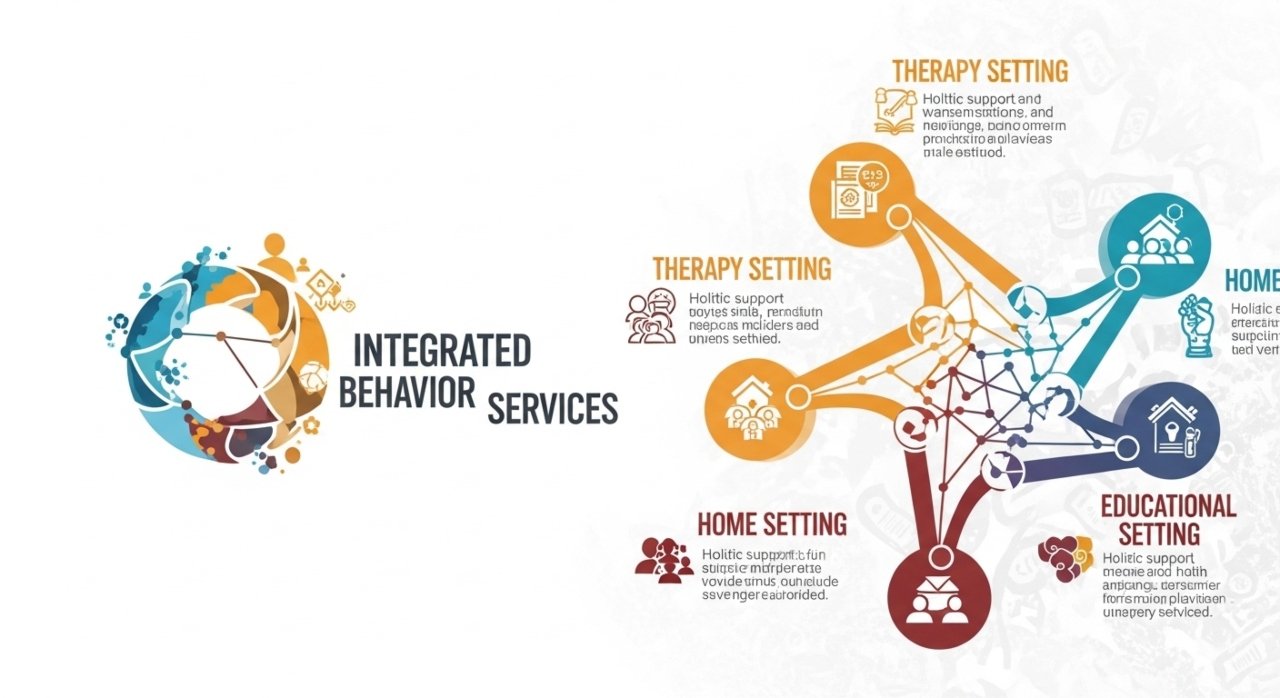
Behavior services play a vital role in supporting individuals who experience challenges in emotional regulation, social interaction, communication, or adaptive functioning. These services are designed to help children, adolescents, and adults develop skills that enhance their daily functioning, improve relationships, and foster independence. Whether working in schools, clinics, or home-based settings, behavior services aim to address behaviors that interfere with learning, social engagement, or overall well-being while promoting positive growth and long-term success. By providing structured interventions, guidance, and evidence-based strategies, behavior services create opportunities for individuals to reach their full potential and thrive in their environments.
At the core of behavior services is the recognition that every individual has unique needs, strengths, and challenges. Behavioral specialists assess each person carefully to develop personalized plans that are responsive to specific circumstances. Interventions are not one-size-fits-all; they are tailored to meet the unique combination of developmental, cognitive, and emotional needs present in each case. From helping children with autism spectrum disorder build functional communication skills to supporting adolescents in managing emotional outbursts, behavior services cover a wide range of applications that improve the quality of life for individuals and their families. Understanding the goals, methods, and benefits of these services is crucial for parents, educators, and caregivers who wish to provide meaningful and effective support.
The Purpose and Goals of Behavior Services
Behavior services are designed to identify the underlying causes of challenging behaviors and to implement strategies that promote positive behavioral change. These goals extend beyond simply reducing negative behaviors; they also focus on building skills that enhance independence, social interaction, self-regulation, and emotional resilience. For example, a child who struggles with frequent tantrums may benefit from interventions that teach coping skills, communication techniques, and self-calming strategies, allowing them to express needs without resorting to disruptive behaviors. Similarly, an adult facing difficulties with workplace stress or social anxiety can develop strategies to improve interpersonal interactions and emotional management through tailored behavioral support.
Another central purpose of behavior services is to equip families, caregivers, and educators with tools to reinforce positive behaviors consistently. Behavior specialists collaborate with these stakeholders to create environments that encourage desirable behaviors while minimizing triggers for challenging behaviors. Through ongoing consultation, training, and feedback, behavior services help create a consistent and supportive framework across home, school, and community settings, increasing the likelihood of sustained improvement. By addressing the root causes of behavioral challenges and promoting skill development, these services contribute to long-term emotional, social, and cognitive growth.
Types of Behavior Services
Behavior services encompass a wide range of interventions and approaches, each targeting specific needs or goals. One of the most common services is Applied Behavior Analysis (ABA), a research-based method that uses structured reinforcement strategies to teach new skills, reduce problem behaviors, and improve social interactions. ABA is frequently used with individuals on the autism spectrum to enhance communication, adaptive living skills, and academic performance.
Another key component of behavior services is social skills training, which helps individuals learn how to interact appropriately with peers, understand social cues, and navigate complex interpersonal situations. This training is essential for children and adolescents who struggle with social integration or experience difficulties forming and maintaining friendships. For adults, social skills programs may focus on professional communication, relationship-building, and conflict resolution.
Behavior therapy is another integral part of behavior services, targeting emotional and psychological challenges such as anxiety, aggression, or attention deficits. Techniques may include cognitive-behavioral strategies, positive reinforcement, and behavior modification plans that support gradual and sustainable change. In school settings, behavior intervention plans (BIPs) are often developed to address academic and behavioral challenges, providing individualized strategies to promote classroom success.
Home-based behavior services are also widely implemented, allowing specialists to observe behaviors in natural settings and provide real-time guidance to caregivers. This approach ensures that interventions are relevant, practical, and tailored to the individual’s daily routines. By combining multiple strategies, behavior services create a comprehensive framework that addresses both immediate behavioral concerns and long-term developmental goals.
How Behavior Services Are Delivered
The delivery of behavior services can vary depending on the setting, the individual’s needs, and the specific intervention approach. Services may take place in clinical offices, schools, homes, or community programs, ensuring flexibility and accessibility for individuals and families. Typically, the process begins with a thorough assessment conducted by a trained behavior specialist. This assessment may include direct observation, interviews with caregivers or teachers, review of medical or educational records, and standardized behavioral evaluations. The goal is to identify patterns, triggers, and environmental factors that influence behavior, as well as to determine the individual’s strengths and areas for growth.
Following the assessment, specialists develop a personalized intervention plan that outlines specific goals, strategies, and methods for monitoring progress. These plans may include teaching replacement behaviors, implementing reinforcement systems, or providing environmental modifications to support positive behaviors. Behavior services often involve collaboration with families, educators, and other professionals to ensure consistent implementation across settings, reinforcing skill acquisition and behavioral improvement. Ongoing monitoring and data collection are essential components of behavior services, as they provide evidence of progress, inform adjustments to interventions, and ensure that goals remain appropriate and attainable.
Benefits of Behavior Services
The benefits of behavior services extend beyond the individual receiving support; they positively impact families, educators, and communities by fostering understanding, consistency, and effective strategies for managing challenging behaviors. Individuals who participate in behavior services often experience improved communication, enhanced social relationships, and increased independence, which can reduce frustration and improve overall quality of life. Children may develop stronger academic skills, better emotional regulation, and more successful interactions with peers, creating a foundation for long-term success in school and social settings.
Families benefit from behavior services through training and guidance that empowers them to support positive behavior at home. Caregivers gain practical tools, strategies, and confidence in managing daily challenges, which can reduce stress and strengthen family relationships. Schools and educators also see positive outcomes, including improved classroom behavior, reduced disciplinary incidents, and enhanced learning environments that accommodate diverse behavioral needs.
Furthermore, behavior services contribute to long-term developmental and emotional growth. By teaching adaptive skills, coping strategies, and problem-solving techniques, individuals become better equipped to navigate complex social and environmental demands, reducing the likelihood of ongoing behavioral difficulties. The structured and supportive nature of these services ensures that improvements are sustainable and meaningful, fostering independence and personal achievement.
Challenges and Considerations
While behavior services provide significant benefits, there are challenges that families and professionals must consider. Consistency is critical for success, as sporadic implementation or lack of follow-through can limit the effectiveness of interventions. Collaboration among caregivers, educators, and specialists is essential to ensure that strategies are applied consistently across all settings. Additionally, progress may be gradual, requiring patience, persistence, and ongoing evaluation to adjust interventions as needs evolve.
Another consideration is the importance of individualized approaches. Each person responds differently to interventions, and strategies must be tailored to the individual’s unique strengths, preferences, and challenges. Specialists must remain flexible and responsive, using data-driven methods to refine plans and ensure that interventions are both effective and respectful of the individual’s dignity and autonomy.
Access to qualified professionals can also be a challenge in some regions, making telehealth or virtual consultation options increasingly important. Technology and remote support can expand the reach of behavior services, providing guidance and oversight even when in-person access is limited.
The Future of Behavior Services
Advances in research, technology, and best practices continue to enhance the scope and effectiveness of behavior services. Data-driven approaches allow for precise tracking of progress and more responsive interventions, while innovations in digital platforms facilitate remote training, observation, and support. As awareness of the importance of behavioral health grows, more schools, clinics, and community programs are integrating behavior services into comprehensive support systems, creating opportunities for early intervention and prevention of long-term difficulties.
Additionally, interdisciplinary collaboration between behavior specialists, educators, psychologists, and medical professionals ensures a holistic approach that addresses the full range of developmental, emotional, and social needs. By combining expertise and evidence-based practices, behavior services continue to evolve, offering more personalized, effective, and accessible support for individuals of all ages.
Conclusion
Behavior services are essential for promoting emotional, social, and developmental growth in individuals who face challenges in regulating behavior, communicating effectively, or navigating social interactions. Through personalized assessments, targeted interventions, and ongoing support, these services create meaningful opportunities for individuals to acquire adaptive skills, improve relationships, and achieve greater independence. Families and caregivers also benefit from guidance and practical strategies that reinforce positive behavior and strengthen supportive environments. By investing in professional behavior services, individuals and communities can foster growth, resilience, and long-term well-being, ensuring that every person has the opportunity to thrive.
With a focus on personalized intervention, collaboration, and evidence-based practices, behavior services provide comprehensive support for a wide range of behavioral and developmental needs. As research advances and delivery methods evolve, these services will continue to play a critical role in helping individuals reach their potential while enhancing the quality of life for families, educators, and communities alike.



Detailed Mold Inspection Reports for Property Buyers, Sellers, and Homeowners

The Ultimate Guide to Hardwood Floor Installation for a Durable and Elegant Space

Mercedes-Benz GLE Coupe: Luxury SUV Features & Review

Subaru WRX STI discontinued … till further notice
What could have been: The incredible experimental engines that time forgot
