
Home improvement
Interior Painting: Transforming Your Space with Color, Style, and Quality

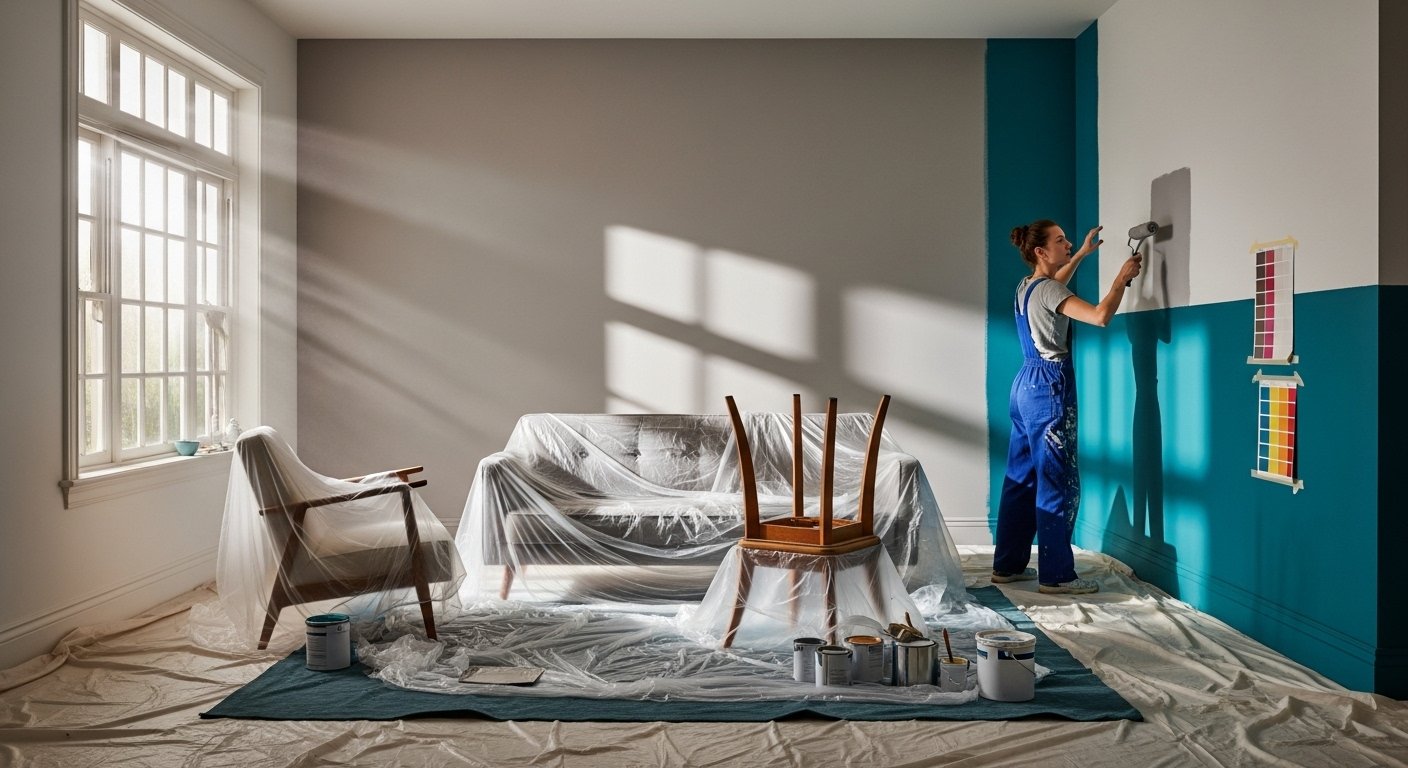
Interior painting is one of the most effective ways to enhance the appearance, functionality, and overall ambiance of a home or commercial space. Unlike exterior painting, interior painting focuses on aesthetic appeal, durability under daily use, and the creation of a welcoming environment that reflects personal style or brand identity. A well-executed interior painting project can transform a space entirely, improving not only visual appeal but also lighting, mood, and perceived space dimensions.
While painting may seem straightforward, achieving a professional-quality result requires careful planning, preparation, and execution. Selecting the right colors, finishes, and techniques plays a crucial role in the success of the project. In addition, proper surface preparation, including cleaning, sanding, and priming, ensures paint adhesion and long-lasting results. Interior painting also involves understanding how different surfaces—such as drywall, plaster, wood, or metal—interact with various paint types and finishes, affecting durability and maintenance.
Choosing the Right Paint
Selecting the right paint is foundational to a successful interior painting project. Paints are available in a wide range of formulations, including water-based (latex) and oil-based options. Water-based paints are popular for interior use because they dry quickly, emit lower levels of volatile organic compounds (VOCs), and are easy to clean. Oil-based paints, on the other hand, offer durability and a smooth finish that works well for high-traffic areas or surfaces requiring a hard, glossy coat.
In addition to the paint base, finish selection significantly affects the outcome of an interior painting project. Matte or flat finishes provide a soft, non-reflective surface ideal for ceilings and low-traffic walls. Eggshell and satin finishes offer a balance of sheen and durability, making them suitable for living rooms, bedrooms, and hallways. Semi-gloss and high-gloss finishes provide reflective surfaces that are easy to clean and resistant to moisture, making them ideal for kitchens, bathrooms, and trim. Color choice is equally important, influencing room perception, lighting, and mood. Lighter colors can make a space appear larger and brighter, while darker tones add warmth, intimacy, and a sense of luxury.
Preparing Surfaces for Painting
Surface preparation is a critical step in interior painting and can determine the longevity and quality of the finished result. Walls, ceilings, and trim must be cleaned to remove dust, dirt, grease, or other contaminants that can interfere with paint adhesion. Holes, cracks, and imperfections should be filled with spackling or putty and sanded smooth to create an even surface. Sanding is especially important for glossy surfaces, as it improves paint adhesion and prevents peeling.
Priming is often recommended to create a uniform surface that enhances paint adhesion and coverage. Primers are particularly essential when painting over dark colors, repairing damaged areas, or working with new drywall. High-quality primers also help block stains, prevent bleed-through, and reduce the number of finish coats required. Proper masking and protection of floors, furniture, and fixtures are crucial to prevent accidental paint splatters and ensure a professional result.
Techniques for Interior Painting
Achieving a flawless interior paint job requires knowledge of various painting techniques. Brush painting is ideal for trim, corners, and detailed areas, allowing precision and control. Roller painting is efficient for covering large wall surfaces and ceilings, providing a smooth, even finish when applied correctly. Choosing the right roller nap length is essential based on surface texture; smooth walls require shorter naps, while textured surfaces benefit from longer naps that hold more paint.
Advanced techniques, such as sponging, rag rolling, or color washing, add texture and visual interest to walls, creating unique accent features or highlighting architectural elements. Sprayer application is an option for larger projects or commercial spaces, providing rapid coverage and a uniform finish but requiring careful masking and ventilation. Layering techniques, including applying multiple coats, sanding between coats, and using high-quality topcoats, improve durability and aesthetic appeal.
Managing Color and Design
Color selection is more than an aesthetic choice; it significantly influences how a space is perceived and experienced. Warm colors, such as reds, yellows, and oranges, can create energetic, inviting environments, while cool colors, including blues, greens, and purples, promote calmness, relaxation, and focus. Neutral colors, such as beige, gray, and white, provide versatility, complement various decor styles, and serve as a base for accent walls or decorative features.
Interior painting also involves consideration of lighting, space dimensions, and room function. Natural light affects how colors appear, while artificial lighting can alter perception based on intensity and hue. Smaller rooms benefit from lighter tones to enhance the sense of space, whereas larger rooms can handle bolder or darker colors. Accent walls, trim contrast, and color layering techniques add depth, personality, and visual interest to interior spaces, elevating the overall design.
Safety and Environmental Considerations
Safety and environmental responsibility are essential aspects of interior painting. Proper ventilation is crucial, particularly when using oil-based paints or products with higher VOC levels, to prevent respiratory issues and maintain indoor air quality. Protective equipment, such as gloves, goggles, and masks, helps safeguard painters from exposure to chemicals, dust, or debris during preparation and application.
Environmentally conscious choices, such as low-VOC or zero-VOC paints, contribute to healthier indoor environments and reduce environmental impact. Proper disposal of paint, brushes, rollers, and cleaning materials is also important to prevent contamination and support sustainable practices.
Maintaining Painted Surfaces
Proper maintenance extends the life and appearance of interior paint. Regular cleaning with mild, non-abrasive solutions removes dirt and prevents staining. High-traffic areas may require periodic touch-ups to maintain a fresh, professional look. Avoiding excessive moisture, harsh chemicals, or abrasive scrubbing protects paint from premature wear or peeling. For long-term durability, repainting cycles should be planned based on the paint type, finish, and room usage, ensuring that walls, ceilings, and trim remain visually appealing and structurally sound.
Hiring Professional Interior Painters
While DIY interior painting is possible for smaller projects, hiring professional painters ensures high-quality results, efficiency, and long-term durability. Professional painters bring expertise in surface preparation, paint selection, application techniques, and cleanup, reducing the risk of common issues such as uneven coverage, streaks, or peeling. They also offer time-saving solutions for large or complex spaces, ensuring that projects are completed safely and on schedule.
Working with professionals includes consultation on color choices, finishes, and design elements, enabling homeowners to make informed decisions that enhance both aesthetics and functionality. Licensed, insured, and experienced painters also provide peace of mind, minimizing liability and ensuring compliance with safety standards and building codes.
Conclusion
Interior painting is a transformative process that goes beyond simple wall coverage. When executed correctly, it enhances the beauty, functionality, and ambiance of any space. Choosing the right paint, preparing surfaces meticulously, employing proper techniques, and considering color, lighting, and design principles are all essential to achieving lasting results. Whether undertaken as a DIY project or with the assistance of professional painters, interior painting represents a valuable investment in home improvement, providing immediate visual impact and long-term benefits in comfort, style, and property value.


Mobile IV Therapy: Bringing Advanced Hydration and Wellness Directly to You

Dealing With Sewer Line Problems? Understand When Repairs Are Enough and When a Full Replacement Becomes Necessary

Brush Clearing Solutions for Residential and Commercial Properties With Focus on Efficiency and Environmental Care

Subaru WRX STI discontinued … till further notice
What could have been: The incredible experimental engines that time forgot
