
Land management
Mastering Land Clearing: Techniques, Equipment, and Expert Guidelines for Success

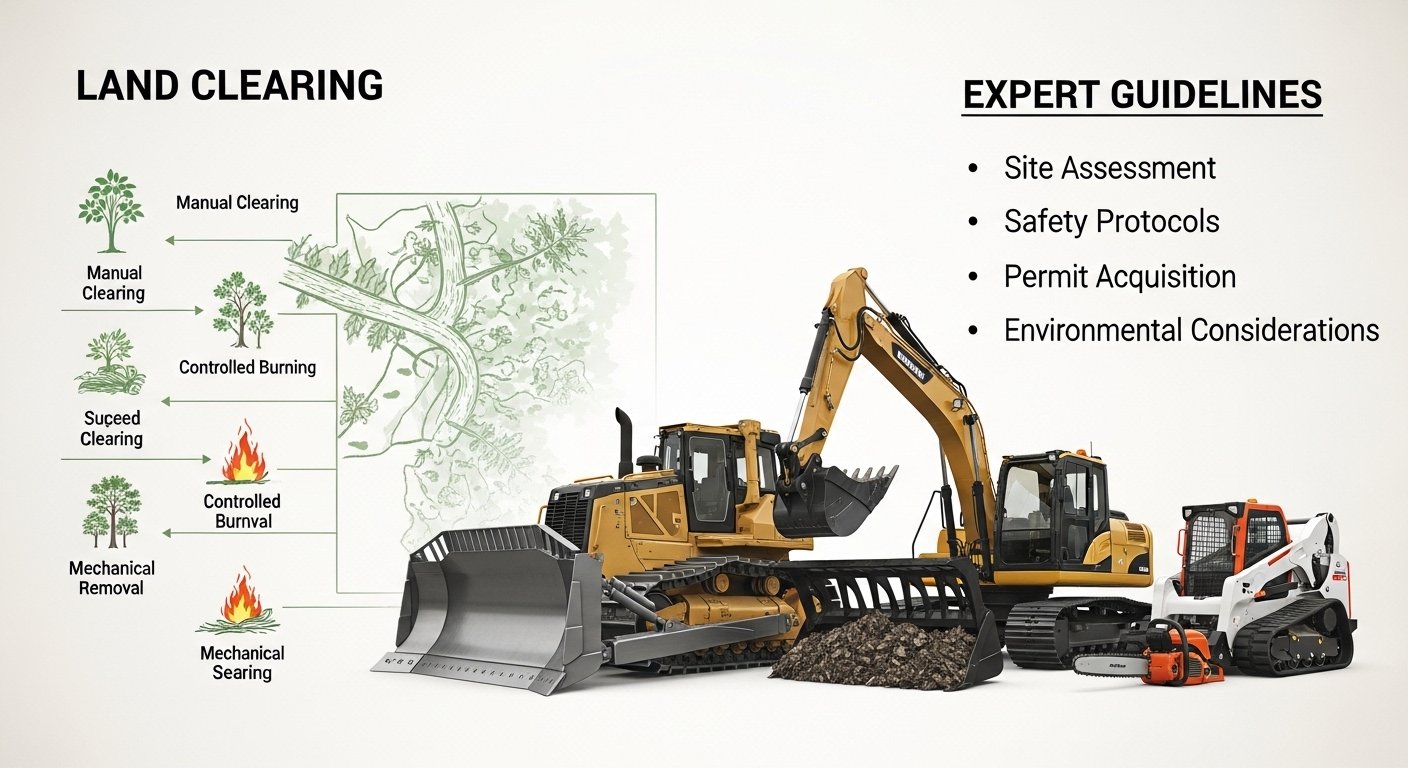
Land clearing is a fundamental process that transforms overgrown or undeveloped land into a usable area suitable for a wide range of purposes, including agriculture, construction, and commercial development. It is not simply the act of cutting down vegetation or removing debris; land clearing is a comprehensive procedure that requires careful planning, precise execution, and consideration of environmental impacts to ensure the land is prepared efficiently and sustainably. The process involves the systematic removal of trees, shrubs, rocks, stumps, and other obstacles that may interfere with the intended use of the land. Understanding the scope, methods, equipment, and best practices of land clearing is essential for property owners, developers, and agricultural professionals who seek to maximize the potential of their land while maintaining responsible environmental stewardship.
Understanding Land Clearing
Land clearing encompasses more than the physical removal of vegetation. It is a strategic and methodical approach to preparing land for productive use. The process begins with the assessment of the land, taking into account factors such as soil type, terrain, vegetation density, and the ultimate purpose for the property. Smaller plants and underbrush are typically removed first, followed by the extraction of larger trees, stumps, and rocks. After clearing, the land is often leveled and graded to ensure proper drainage and accessibility, creating a foundation suitable for crops, buildings, or other developments. Properly executed land clearing not only enhances land usability but also reduces hazards, facilitates easier planning for future projects, and contributes to the long-term productivity of the property.
Methods of Land Clearing
There are several methods of land clearing, each designed to address specific types of terrain, vegetation, and project requirements. Selecting the appropriate method is essential for efficiency, cost-effectiveness, and environmental protection.
Mechanical Land Clearing
Mechanical land clearing is a widely used approach for large-scale projects because of its speed and efficiency. Heavy machinery such as bulldozers, excavators, mulchers, and grinders is employed to remove vegetation, uproot stumps, and level uneven terrain. Bulldozers are particularly effective at pushing aside large amounts of debris, while excavators are capable of handling dense vegetation and large rocks. Mulchers and grinders convert cleared vegetation into mulch, which can be returned to the soil to improve fertility and reduce waste. Mechanical clearing is commonly used in construction and agricultural projects where time efficiency is critical and large tracts of land need to be prepared in a relatively short period.
Manual Land Clearing
Manual land clearing involves the use of hand tools, such as machetes, axes, saws, and hoes, to remove vegetation. Although this method is labor-intensive, it offers precision and is especially suitable for areas with delicate terrain, historical structures, or sensitive environmental features that could be damaged by heavy machinery. Manual clearing allows for the careful selection of which vegetation to remove and which to preserve, maintaining ecological balance and minimizing soil disruption. While it may require more time and labor, manual land clearing is effective for smaller plots of land and for projects that prioritize environmental conservation.
Controlled Burning
Controlled burning, also known as prescribed burning, is a technique in which fire is intentionally used to clear vegetation under carefully monitored conditions. This method is often applied in forestry and agricultural land management to remove excess brush, invasive species, or overgrown plant matter. Controlled burning also returns nutrients to the soil, enhancing soil fertility and promoting the growth of desired vegetation. However, controlled burning requires expert knowledge, adherence to safety protocols, and compliance with environmental regulations to prevent unintended wildfires and to protect wildlife habitats.
Chemical Land Clearing
Chemical land clearing involves the application of herbicides or other vegetation management chemicals to eliminate unwanted plants. This method can be efficient for controlling invasive species, clearing dense vegetation, or preparing large tracts of land quickly. However, the use of chemicals requires careful handling to prevent contamination of soil and water and to avoid adverse effects on surrounding ecosystems. When used responsibly and in combination with other land clearing methods, chemical clearing can be an effective component of a comprehensive land preparation strategy.
Equipment Used in Land Clearing
The efficiency and effectiveness of land clearing depend heavily on selecting the right equipment for the specific project. Heavy machinery and specialized tools are employed to ensure safe, thorough, and efficient clearing. Commonly used equipment includes bulldozers for moving large debris and flattening terrain, excavators for uprooting stumps and rocks, chainsaws and brush cutters for precise cutting, mulchers and grinders to convert vegetation into reusable mulch, and tractors or plows for initial soil preparation in agricultural land clearing. Properly chosen equipment not only improves efficiency but also reduces the risk of accidents and environmental damage during the clearing process.
Environmental Considerations
Land clearing has the potential to significantly impact the environment if not performed responsibly. Soil erosion is one of the most common consequences of aggressive clearing, as vegetation removal leaves soil exposed to wind and water runoff. To mitigate this risk, methods such as mulching, cover crops, and terracing can be applied to protect the soil and maintain its fertility. Preserving wildlife habitats is equally important, as indiscriminate removal of trees and shrubs can destroy nesting areas and disrupt local ecosystems. Water management is also a critical consideration, as clearing near streams or ponds can cause sedimentation and contamination. Following sustainable land clearing practices ensures that the land remains productive and that environmental impacts are minimized, supporting long-term ecological balance and land usability.
Benefits of Land Clearing
The advantages of land clearing extend beyond simply creating open space and facilitating construction or farming activities. Proper land clearing offers multiple benefits that contribute to both immediate project success and long-term land productivity. Clearing overgrown land improves accessibility and usability, making it suitable for cultivation, building, or recreational purposes. Techniques such as mulching and controlled burning can enhance soil quality by returning essential nutrients, supporting healthy plant growth and higher crop yields. Land clearing also increases safety by eliminating hazardous trees, stumps, and debris that could pose risks to workers, residents, or livestock. Additionally, cleared land is more aesthetically appealing, which can increase property value and provide a more organized environment for future development projects. By improving accessibility, safety, soil quality, and visual appeal, land clearing creates a solid foundation for efficient planning and implementation of subsequent land use activities.
Challenges in Land Clearing
Despite its many benefits, land clearing presents several challenges that require careful consideration and planning. The cost of land clearing can be significant, particularly for large-scale projects, due to expenses related to labor, machinery, equipment rental, and regulatory compliance. Adhering to local environmental regulations is essential, as unauthorized clearing can result in fines, legal consequences, and environmental damage. Improper land clearing techniques can lead to soil compaction, erosion, and loss of fertility, reducing the long-term usability of the land. Managing debris from trees, shrubs, and other vegetation is also a logistical challenge that requires planning for disposal, recycling, or mulching. Understanding these challenges allows landowners and developers to implement strategies that maximize efficiency while minimizing costs and environmental impact.
Best Practices for Successful Land Clearing
Successful land clearing requires a combination of thorough planning, proper equipment use, professional expertise, and environmental stewardship. A detailed assessment of the property, including soil composition, vegetation types, terrain, and intended land use, should precede any clearing activities. Hiring experienced professionals ensures that land clearing is executed safely, efficiently, and in compliance with environmental regulations. Selecting the appropriate machinery and tools for the scale and complexity of the project is essential for achieving effective results. Sustainable practices, such as erosion control measures, selective vegetation removal, and post-clearing land maintenance, help preserve the land’s long-term productivity and environmental health. Regular monitoring and maintenance after clearing prevent unwanted regrowth of vegetation and ensure that the land remains functional, safe, and visually appealing.
Conclusion
Mastering land clearing involves more than simply removing vegetation; it is a comprehensive process that requires knowledge, planning, and careful execution. By understanding the various techniques, selecting the right equipment, and implementing sustainable practices, property owners and developers can maximize land usability, improve safety, enhance soil quality, and increase long-term productivity. Mechanical, manual, controlled burning, and chemical methods each have their place depending on the land type, project scope, and environmental considerations. When carried out responsibly, land clearing transforms raw, overgrown, or underutilized land into organized, productive, and aesthetically pleasing spaces, providing a foundation for agriculture, construction, and other development activities. By following best practices and expert guidelines, land clearing not only meets immediate needs but also ensures that the land remains sustainable, safe, and valuable for years to come.



Detailed Mold Inspection Reports for Property Buyers, Sellers, and Homeowners

The Ultimate Guide to Hardwood Floor Installation for a Durable and Elegant Space

Mercedes-Benz GLE Coupe: Luxury SUV Features & Review

Subaru WRX STI discontinued … till further notice
What could have been: The incredible experimental engines that time forgot
