
Automotive & Transport
Maximizing Efficiency and Safety: The Complete Guide to Professional Truck Service

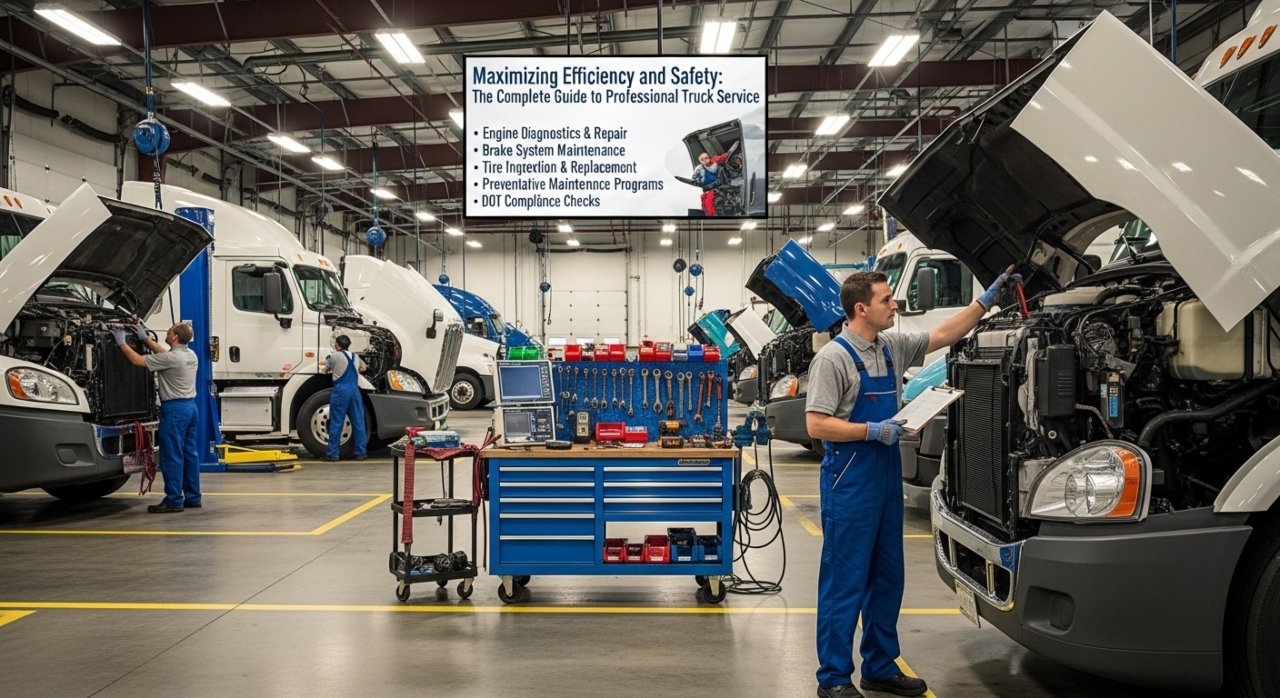
Trucks play a vital role in transportation, logistics, construction, agriculture, and many other industries that depend on the steady movement of goods and materials. Because these vehicles often operate under demanding conditions, carrying heavy loads across long distances and through varying weather environments, they require consistent care and professional attention to remain reliable. Proper truck service is not simply about fixing problems when they occur; it is a structured and preventive approach to maintaining performance, safety, and long-term durability.
When trucks are not maintained correctly, the consequences can be serious. Breakdowns cause delays, missed deliveries affect business reputations, and mechanical failures may create dangerous driving conditions. Investing in regular maintenance ensures that every component functions efficiently, reducing downtime and avoiding unexpected repair expenses. A well-serviced truck performs better, consumes fuel more efficiently, and remains compliant with transportation safety regulations.
Why Professional Truck Maintenance Matters
Heavy-duty vehicles experience significantly more strain than standard passenger cars. Continuous operation, weight stress, road vibrations, and exposure to dust, moisture, and temperature extremes all accelerate wear and tear. Without a consistent maintenance schedule, minor mechanical concerns can quickly escalate into major system failures that require expensive repairs.
Routine inspections and servicing protect both drivers and other road users. Brake systems, steering mechanisms, and suspension components must operate flawlessly to maintain control, especially when transporting heavy cargo. Professional truck service ensures these critical systems are examined thoroughly and adjusted or replaced when necessary. In addition to enhancing safety, preventive maintenance reduces long-term operational costs by identifying problems before they cause widespread damage.
From a financial perspective, trucks represent a significant investment. Whether owned by independent operators or managed within large fleets, maintaining their condition protects asset value. Vehicles with complete service records and consistent upkeep typically retain higher resale value and demonstrate greater reliability throughout their lifespan.
Core Components of Comprehensive Truck Service
A complete service plan addresses every essential system within the vehicle rather than focusing on isolated repairs. Engines, transmissions, braking systems, tires, electrical components, and cooling systems must work together seamlessly to ensure dependable performance.
The engine is the central power unit of any truck, and its health determines overall efficiency. Regular oil changes, filter replacements, and fluid inspections reduce friction and prevent overheating. Mechanics inspect belts, hoses, and seals to identify leaks or early signs of deterioration. Transmission systems also require attention, as smooth gear shifts are essential for maintaining power delivery and preventing drivetrain stress.
Brake systems demand particular care because they directly influence safety. Service technicians evaluate brake pads, rotors, air brake systems, and hydraulic components to confirm proper function. Addressing brake wear early prevents costly damage to surrounding parts and ensures dependable stopping power under heavy loads.
Tires and suspension systems are equally critical. Proper tire inflation, alignment, and tread depth promote even wear and stable handling. Suspension components such as shocks and struts absorb road impact and maintain balance, particularly when transporting cargo across uneven terrain. Regular inspection of these elements supports smoother driving and reduces strain on the frame.
Electrical systems have become increasingly complex in modern trucks. From ignition systems to onboard computers and safety sensors, these components require specialized diagnostic tools for accurate assessment. During truck service, technicians examine batteries, alternators, wiring, and lighting systems to ensure consistent performance and compliance with road safety standards.
Cooling and exhaust systems also play a major role in vehicle health. Radiators, coolant lines, and exhaust components prevent overheating and manage emissions. Neglecting these systems can result in engine damage or regulatory violations. Comprehensive servicing ensures these parts remain efficient and environmentally responsible.
Warning Signs That Should Not Be Ignored
Truck operators often notice subtle performance changes before major problems develop. Unusual noises such as knocking, grinding, or excessive vibration may indicate mechanical stress. Difficulty shifting gears or inconsistent acceleration could point to transmission concerns. Brake squealing, reduced responsiveness, or longer stopping distances require immediate evaluation to prevent safety hazards.
Dashboard warning lights serve as early alerts for engine or system malfunctions. Ignoring these signals can lead to more severe mechanical damage. Likewise, excessive exhaust smoke, overheating, or visible fluid leaks are clear indicators that professional attention is necessary. Scheduling truck service promptly when these signs appear reduces repair costs and prevents extended downtime.
Preventive Maintenance as a Long-Term Strategy
Preventive maintenance is the foundation of reliable truck performance. Instead of waiting for parts to fail, scheduled servicing anticipates wear and addresses it before breakdowns occur. This proactive approach increases operational efficiency and extends the lifespan of critical components.
By adhering to manufacturer-recommended service intervals, operators maintain engine performance, fuel efficiency, and overall reliability. Clean filters, properly lubricated parts, and well-maintained systems reduce friction and strain, which translates to smoother operation and lower fuel consumption. Over time, these improvements significantly reduce operating expenses.
For fleet managers, preventive maintenance simplifies logistics planning. Knowing when vehicles will require servicing allows for scheduled downtime rather than disruptive emergency repairs. Organized service records also provide valuable insights into vehicle performance trends and recurring issues.
The Role of Technology in Modern Truck Maintenance
Advancements in automotive technology have transformed the way trucks are maintained. Modern vehicles are equipped with onboard diagnostic systems that monitor engine performance, fuel efficiency, and component health in real time. These systems generate data that technicians can analyze to predict potential failures.
Telematics platforms provide fleet managers with remote monitoring capabilities, enabling them to track maintenance needs, driver behavior, and fuel usage. Predictive analytics identify patterns that suggest upcoming mechanical issues, allowing service teams to intervene early. Integrating these tools into routine truck service in Golden Glades enhances reliability and minimizes unexpected disruptions.
Diagnostic software and digital inspection systems also improve accuracy. Rather than relying solely on visual inspections, technicians use advanced scanning tools to detect hidden faults. This precision reduces guesswork and ensures targeted repairs.
Selecting a Reliable Service Provider
Choosing a qualified service provider is essential for maintaining vehicle performance. Experienced technicians with specialized training in heavy-duty vehicles understand the complexities of truck systems and regulatory requirements. Certification and industry experience demonstrate a commitment to quality workmanship.
A reputable service center should offer comprehensive maintenance programs, transparent pricing, and clear communication regarding repair recommendations. Access to modern diagnostic equipment and genuine replacement parts further ensures dependable results. Establishing a long-term partnership with a trusted provider supports consistent care and dependable service outcomes.
Emergency support is another important consideration. Despite preventive measures, unexpected breakdowns can occur. Access to prompt repair assistance minimizes downtime and prevents secondary damage. Service providers that offer responsive support help maintain business continuity.
Environmental Responsibility and Compliance
Maintaining trucks responsibly includes adhering to environmental regulations and reducing emissions. Proper disposal of used oil, filters, and hazardous materials prevents environmental contamination. Ensuring that exhaust systems and emission control components function correctly helps meet legal standards and reduce ecological impact.
Energy-efficient practices, including maintaining proper tire pressure and optimizing engine performance, contribute to lower fuel consumption and reduced carbon emissions. By integrating environmentally conscious strategies into truck service routines, operators demonstrate commitment to sustainability while also benefiting from improved efficiency.
Building a Culture of Maintenance Awareness
Effective maintenance is not limited to service centers; drivers also play a crucial role. Conducting daily inspections, monitoring fluid levels, and reporting unusual behavior promptly support early intervention. Training programs that educate drivers about basic mechanical awareness can significantly reduce preventable damage.
Maintaining accurate service records further strengthens maintenance strategies. Detailed documentation of repairs, inspections, and replacements provides valuable historical data that informs future decisions. This systematic approach ensures accountability and continuous improvement.
Conclusion
Professional truck service is essential for maintaining safety, reliability, and long-term operational success. From engine and brake inspections to advanced diagnostics and preventive maintenance planning, comprehensive care ensures that trucks perform at their best under demanding conditions. Investing in consistent servicing reduces the likelihood of breakdowns, enhances fuel efficiency, and protects valuable assets.
By combining modern technology, skilled technicians, and proactive maintenance strategies, truck operators and fleet managers can create a sustainable system that prioritizes safety and performance. With careful planning and consistent attention, trucks remain dependable partners in business operations, supporting productivity and long-term growth without unnecessary disruption.



Detailed Mold Inspection Reports for Property Buyers, Sellers, and Homeowners

The Ultimate Guide to Hardwood Floor Installation for a Durable and Elegant Space

Mercedes-Benz GLE Coupe: Luxury SUV Features & Review

Subaru WRX STI discontinued … till further notice
What could have been: The incredible experimental engines that time forgot
