
Home improvement
Pressure Washing Tips and Tricks: Everything You Need to Know for Perfect Results

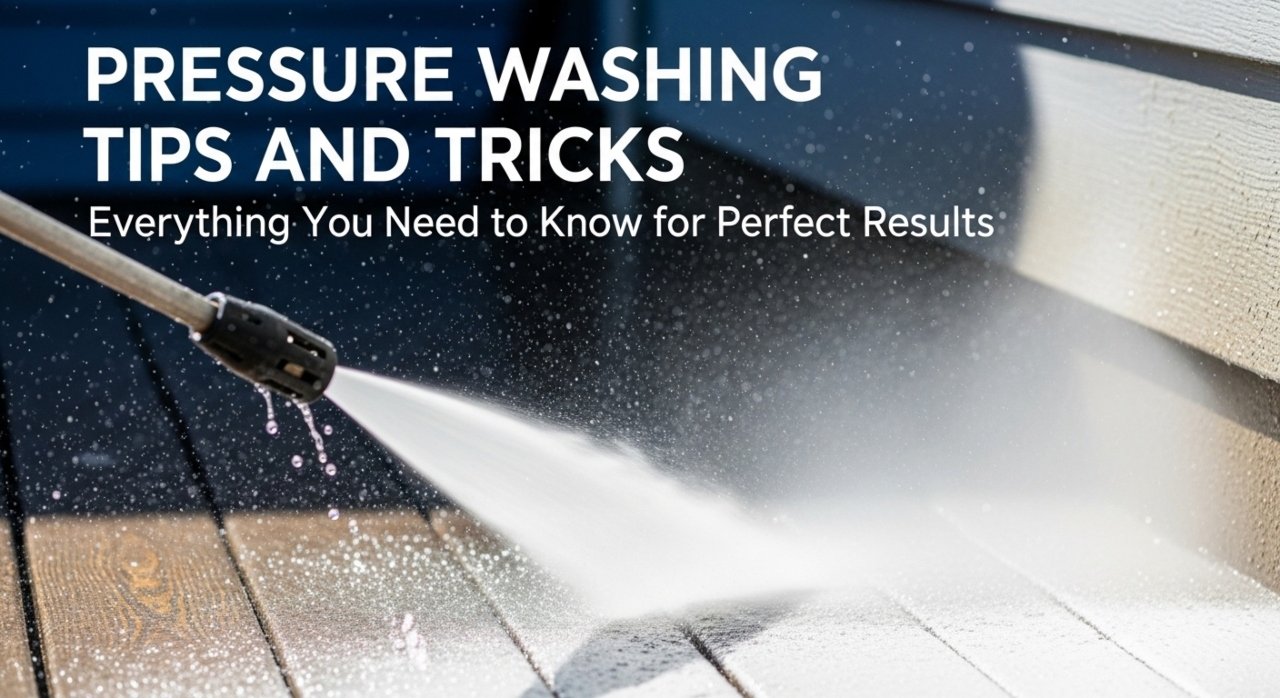
Understanding Pressure Washing and How It Works
Pressure washing is a highly effective cleaning technique that uses a high-pressure stream of water to remove dirt, grime, mold, mildew, algae, and other stubborn contaminants from various surfaces. Unlike traditional cleaning methods, pressure washing relies on the sheer force of water, making it faster, more efficient, and often more environmentally friendly. It can be adjusted to different pressure levels, allowing for gentle cleaning of delicate surfaces like wood or vinyl while still handling tough cleaning tasks on concrete, stone, or metal. The versatility of pressure washing makes it a preferred method for homeowners, property managers, and commercial operators who want deep, long-lasting cleanliness without relying heavily on chemical cleaners.
Benefits of Pressure Washing for Homes and Businesses
One of the main advantages of pressure washing is its ability to improve both the appearance and longevity of surfaces. Outdoor areas, such as patios, decks, driveways, and fences, naturally accumulate dirt, algae, mold, and other organic matter over time. If left untreated, these substances can cause discoloration, surface erosion, or even structural damage. By using pressure washing, these harmful elements are removed efficiently, restoring surfaces to their original condition. For businesses, clean sidewalks, parking lots, and building exteriors contribute to safety, compliance, and overall professional image. Pressure washing also reduces slip hazards caused by moss, algae, or oil spills, while enhancing property value and curb appeal.
Types of Pressure Washing Equipment
Pressure washing equipment varies depending on the application. Consumer-grade machines are ideal for home use, tackling tasks like cleaning cars, decks, siding, and fences. Professional-grade systems offer higher pressures, making them suitable for industrial cleaning, graffiti removal, and large-scale surface restoration. Modern pressure washers come with a variety of accessories, such as adjustable nozzles, rotating brushes, and surface cleaners, which increase versatility and control. Understanding the differences in equipment ensures safe operation and prevents damage to surfaces. For delicate materials, lower pressures and specialized detergents are recommended, while robust surfaces like concrete can withstand higher pressures for more aggressive cleaning.
Step-by-Step Pressure Washing Techniques
Effective pressure washing begins with proper preparation. Surfaces should be cleared of obstacles, loose debris should be swept away, and problem areas identified for targeted cleaning. Pre-soaking certain surfaces or applying eco-friendly detergents can enhance results. Start cleaning from the top down to prevent streaking, and use systematic, overlapping motions to ensure even coverage. For wood surfaces, lower pressure settings help protect the material, while concrete and stone surfaces can handle stronger sprays. Attention to detail during this process ensures that surfaces are not only visually clean but also protected from potential damage caused by overexposure to high pressure.
Safety Tips When Pressure Washing
Safety is critical when using high-pressure water. Protective gear, including gloves, goggles, and sturdy shoes, is essential to prevent injuries. Operators should be aware of their surroundings, handle hoses properly, and understand the impact of different pressure settings. When using detergents or chemicals, following manufacturer guidelines is important to avoid reactions or environmental harm. Proper training and experience significantly reduce risks, making pressure washing both effective and safe. By following these precautions, users can harness the full power of pressure washing without endangering themselves or damaging property.
Maintenance and Post-Cleaning Tips
After pressure washing, surfaces should be inspected for cracks, chips, or areas that could allow water infiltration. Homeowners can identify and repair minor issues before they become costly problems, while businesses benefit from proactive maintenance, preventing structural damage and reducing long-term expenses. Pressure washing also extends the life of paints and protective coatings by removing contaminants that can cause fading or peeling. Regular cleaning schedules help preserve surface integrity, ensuring long-term value and visual appeal.
Advanced Tips and Tricks for Optimal Results
For more advanced cleaning, hot water pressure washers can remove grease, oil, and stubborn organic matter more effectively than cold water systems. Steam-assisted pressure washing is especially valuable in industries that require sanitation, such as food processing or healthcare. Water reclamation systems can minimize water waste, making pressure washing more sustainable. Using specialized nozzles, rotating brushes, and surface cleaners can improve efficiency and deliver more uniform results. Experimenting with these tools and techniques allows users to achieve professional-quality results while minimizing the risk of damage to delicate surfaces.
Environmental Benefits of Pressure Washing
Pressure washing is also an environmentally responsible cleaning method. By relying primarily on water, it reduces the need for harsh chemical cleaners that can contaminate soil, plants, and water sources. Detergents, when used, can be eco-friendly, ensuring minimal environmental impact. Advanced systems with water recycling or reclamation further reduce water consumption, making pressure washing a sustainable option for maintaining cleanliness without compromising ecological responsibility.
Maximizing Property Value Through Regular Pressure Washing
Regular pressure washing can dramatically enhance the aesthetic appeal and value of both residential and commercial properties. A clean driveway, walkway, or building façade can leave a positive impression on visitors, clients, or potential buyers. Seasonal cleanings, particularly after harsh weather conditions, restore surfaces from accumulated dirt and environmental wear. For businesses, a clean exterior reinforces professionalism and boosts customer confidence, while homeowners benefit from an inviting, well-maintained property. Pressure washing is not just cleaning it’s an investment in maintaining and enhancing property value.
Conclusion:
Pressure washing is a versatile, efficient, and environmentally friendly cleaning technique that delivers visible results while protecting surfaces from long-term damage. By understanding proper equipment use, applying safe techniques, and following best practices, anyone can achieve professional-quality cleaning. From improving curb appeal to extending the lifespan of surfaces, pressure washing offers both practical and aesthetic benefits. Incorporating it into regular maintenance routines ensures that properties remain clean, safe, and visually appealing. With the tips, tricks, and guidance outlined in this article, mastering pressure washing is within reach for homeowners, property managers, and business owners alike.


Mobile IV Therapy: Bringing Advanced Hydration and Wellness Directly to You

Dealing With Sewer Line Problems? Understand When Repairs Are Enough and When a Full Replacement Becomes Necessary

Brush Clearing Solutions for Residential and Commercial Properties With Focus on Efficiency and Environmental Care

Subaru WRX STI discontinued … till further notice
What could have been: The incredible experimental engines that time forgot
