
Home improvement
Reimagine Your Space with Cabinet Painting: Tips for a Bold and Beautiful Makeover

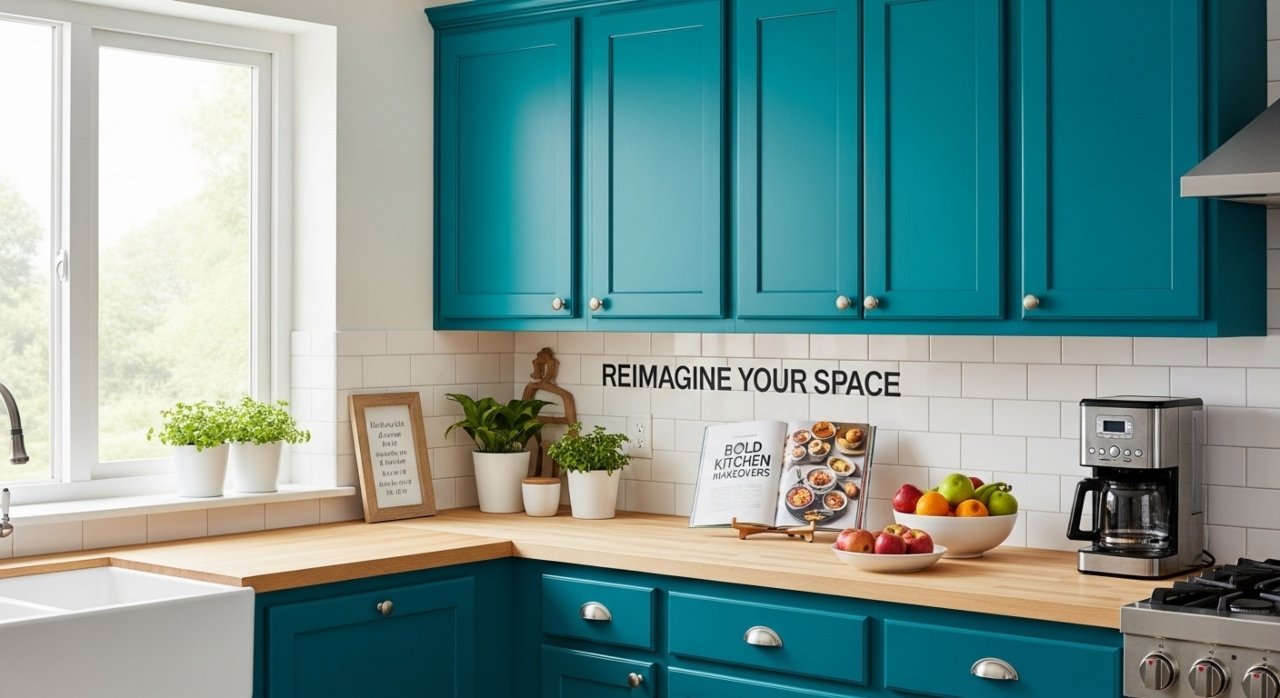
Cabinets are more than just storage units in a home; they are focal points that define the character and style of a space. Whether in kitchens, bathrooms, or living areas, cabinets play a critical role in shaping the overall aesthetic. Over time, cabinets may begin to show signs of wear and tear, lose their color, or simply feel outdated. One of the most effective and transformative ways to breathe new life into these essential pieces is through cabinet painting. This method not only enhances the visual appeal but also increases the longevity and functionality of your cabinetry, offering a cost-effective alternative to full replacement.
Understanding the Importance of Cabinet Painting
Cabinet painting is more than just a cosmetic upgrade; it is a strategic approach to improving both the appearance and durability of cabinetry. Properly painted cabinets can withstand daily use, resist stains and scratches, and complement the overall design of a room. The process of cabinet painting requires careful planning, preparation, and execution to ensure that the finish is smooth, durable, and aesthetically pleasing. A poorly executed paint job can lead to chipping, uneven color, and a finish that diminishes the appeal of the entire space. Therefore, understanding the fundamentals of cabinet painting is crucial for achieving a professional-looking result.
In addition to improving appearance, cabinet painting provides the opportunity to modernize outdated styles. For instance, older cabinets may have traditional designs or colors that no longer match current interior trends. Through cabinet painting, homeowners can experiment with contemporary colors, finishes, and techniques to create a fresh and updated look. This approach allows for creativity and personalization while keeping costs significantly lower than full replacement, making it an ideal solution for budget-conscious renovations.
Preparing Cabinets for Painting
Preparation is arguably the most critical stage of cabinet painting and sets the foundation for a flawless finish. The first step involves removing all cabinet doors, drawers, and hardware. This ensures that each surface can be painted evenly without obstruction and prevents paint from adhering to unwanted areas. Once the cabinets are disassembled, it is important to clean every surface thoroughly. Dust, grease, and dirt can interfere with paint adhesion, leading to peeling and uneven texture. Cleaning can be done using a mild detergent solution or a specialized degreaser for kitchens that accumulate heavy cooking residues.
After cleaning, sanding is essential to create a smooth surface that allows the paint to adhere properly. Sanding removes the old finish, smooths imperfections, and opens the pores of the wood or composite material, which improves paint absorption. The choice of sandpaper grit depends on the type of cabinet material and the condition of the surface. For heavily worn surfaces, coarser grit may be necessary, while a finer grit is suitable for final smoothing before painting. Following sanding, it is important to remove all dust particles using a tack cloth or a vacuum, ensuring that the surfaces are perfectly clean before applying any primer.
Priming is the next critical step in cabinet painting. A high-quality primer not only enhances paint adhesion but also seals the surface and prevents stains or discoloration from bleeding through the topcoat. Depending on the cabinet material, different types of primers may be recommended. For wood cabinets, an oil-based primer can provide excellent coverage and durability, while composite or laminate cabinets may benefit from a bonding primer specifically designed for slick surfaces. Allowing the primer to dry completely and lightly sanding it before painting ensures that the surface is ready for a flawless topcoat.
Choosing the Right Paint and Finish
Selecting the appropriate paint and finish is essential for achieving a professional and durable result in cabinet painting. Not all paints are suitable for cabinets, as they must withstand frequent use, moisture, and cleaning. Traditionally, oil-based paints have been favored for their durability, smooth finish, and resistance to chipping. However, water-based paints, particularly acrylic or hybrid formulas, have become popular due to their lower odor, faster drying time, and ease of cleanup. The choice of paint should consider both the type of cabinet material and the desired aesthetic outcome.
The finish of the paint also plays a significant role in the appearance and practicality of the cabinets. Glossy finishes reflect more light, making colors appear brighter and giving the cabinets a polished, modern look, but they can also highlight imperfections in the surface. Satin and semi-gloss finishes provide a balanced look, offering subtle shine while concealing minor surface irregularities. Matte finishes are increasingly popular for creating a contemporary, understated look, though they may require more maintenance to avoid visible stains or scuffs. Selecting the right combination of paint type and finish ensures that the cabinet painting project not only looks professional but also endures daily wear and tear.
Techniques for a Smooth and Professional Finish
Achieving a smooth and professional finish in cabinet painting requires careful technique and attention to detail. One of the most common methods is brush painting, which allows for precise control and is ideal for intricate designs, corners, and edges. High-quality brushes with fine bristles reduce brush marks and create a uniform finish. For larger flat surfaces, using a foam roller can speed up the process and minimize texture inconsistencies. In addition, paint sprayers offer a fast and even coat for an ultra-smooth finish, though they require proper masking and ventilation to prevent overspray.
Layering is another essential technique in cabinet painting. Applying multiple thin coats of paint, rather than a single thick coat, reduces the risk of drips, uneven coverage, and an inconsistent texture. Each coat should be allowed to dry completely before lightly sanding to remove any imperfections and ensure a seamless surface for the next layer. Patience during this stage is critical; rushing the painting process can compromise the overall quality and durability of the finished cabinets.
Proper drying and curing are equally important. Even after the paint appears dry to the touch, cabinets should be left to cure for several days or weeks, depending on the type of paint used. Curing strengthens the paint and ensures it can withstand daily use without peeling, scratching, or discoloration. During this period, careful handling of the cabinets is essential to prevent damage to the freshly painted surfaces.
Maintaining Painted Cabinets for Longevity
Once the cabinet painting process is complete, proper maintenance is essential to preserve the appearance and functionality of the cabinets. Regular cleaning with a soft cloth and mild cleaning solution prevents the accumulation of dirt, grease, and grime, which can dull the finish over time. Harsh chemicals or abrasive cleaning tools should be avoided, as they can scratch the surface or cause the paint to wear unevenly. Additionally, promptly addressing minor chips or scratches with touch-up paint helps maintain a flawless appearance.
Environmental factors also play a role in the longevity of painted cabinets. Excessive moisture, heat, and direct sunlight can impact the durability of the paint. Proper ventilation in kitchens and bathrooms, as well as minimizing exposure to direct sunlight, contributes to a long-lasting, vibrant finish. By following recommended maintenance practices, homeowners can enjoy beautifully painted cabinets that retain their color, texture, and structural integrity for many years.
Benefits of Cabinet Painting Over Replacement
Choosing cabinet painting over full replacement offers several advantages, both practical and financial. First and foremost, it is significantly more cost-effective than installing entirely new cabinetry, which can be a major expense in any home renovation project. Painting cabinets allows homeowners to achieve a completely new look without the disruption and high cost of demolition and installation. Additionally, cabinet painting is a more sustainable option, reducing waste by keeping existing materials in use and minimizing the environmental impact associated with manufacturing and transporting new cabinets.
Beyond financial savings, cabinet painting provides flexibility in design. Homeowners can experiment with different colors, finishes, and techniques to achieve a unique style that complements the rest of the interior. This creative freedom allows for customization and personalization, resulting in a space that truly reflects individual taste and design preferences. The combination of cost savings, sustainability, and design flexibility makes cabinet painting a highly attractive option for those seeking to revitalize their homes efficiently and effectively.
Conclusion
Cabinet painting is a transformative and practical approach to upgrading the look and functionality of any space. By carefully preparing surfaces, choosing the right paint and finish, applying professional techniques, and maintaining the cabinets properly, homeowners can achieve results that rival the appearance of brand-new cabinetry. The benefits of cabinet painting extend beyond aesthetics, providing durability, cost savings, sustainability, and creative flexibility. Whether you are renovating a kitchen, bathroom, or living area, investing time and effort into cabinet painting allows you to reimagine your space, create a bold and beautiful makeover, and enjoy a fresh, stylish environment that enhances daily living.
Through careful planning, attention to detail, and a focus on quality, cabinet painting becomes not just a cosmetic upgrade but a meaningful enhancement that elevates the entire home. By following these guidelines and embracing the possibilities of color, texture, and finish, any homeowner can achieve stunning results and transform ordinary cabinets into striking, functional features that make a lasting impression.



Mobile IV Therapy: Bringing Advanced Hydration and Wellness Directly to You

Dealing With Sewer Line Problems? Understand When Repairs Are Enough and When a Full Replacement Becomes Necessary

Brush Clearing Solutions for Residential and Commercial Properties With Focus on Efficiency and Environmental Care

Subaru WRX STI discontinued … till further notice
What could have been: The incredible experimental engines that time forgot
