
Home improvement
Step-by-Step Process of Building a Home Addition From Blueprint to Completion

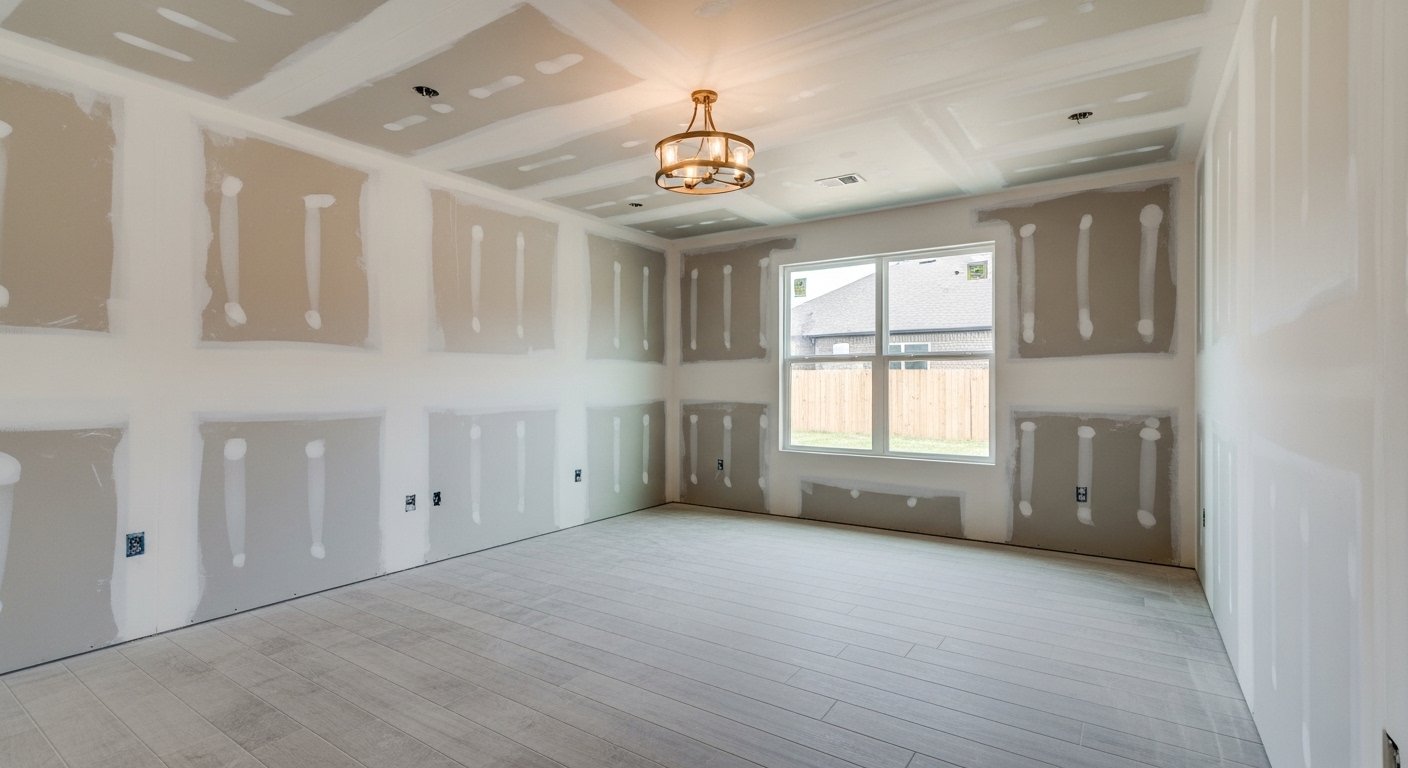
A home addition is one of the most effective ways to increase living space, improve functionality, and enhance property value. Unlike a renovation that modifies existing areas, a home addition involves constructing new space that complements the existing structure, creating a seamless blend of design, style, and purpose. Homeowners often consider additions when families grow, lifestyles change, or there is a need for specialized spaces such as extra bedrooms, home offices, sunrooms, or recreational areas. Thoughtful planning, design, and execution are critical for ensuring that the new addition integrates with the original home both structurally and aesthetically.
Beyond increasing square footage, a home addition provides long-term benefits including improved functionality, modernized living areas, and potential energy efficiency improvements. Strategic planning can also allow homeowners to customize the addition for their specific needs, whether it is a guest suite, a family entertainment area, or a functional kitchen expansion. Home additions not only enhance comfort but also provide a strong return on investment, as they can significantly increase market value when properly designed and executed.
Planning a Home Addition
The success of a home addition begins with thorough planning. This includes assessing the current layout of the house, understanding local zoning laws, building codes, and obtaining any necessary permits. Proper planning ensures that the addition aligns with structural requirements and regulatory standards, avoiding costly delays or modifications during construction. Homeowners should consider both short-term needs and long-term goals to ensure that the addition will serve the household effectively for years to come.
Planning also involves selecting the type of addition, whether it is a single-story extension, multi-story addition, or specialized structure such as a sunroom or garage conversion. Considerations include how the addition will integrate with existing utilities, the flow of interior spaces, rooflines, exterior finishes, and overall architectural harmony. Engaging a qualified architect or designer during the planning phase ensures that aesthetic and functional goals are achieved while maintaining compliance with regulations and structural integrity.
Types of Home Additions
Home additions can take many forms, depending on the needs and budget of the homeowner. Bedroom additions address growing families or create guest spaces, while bathroom additions improve convenience and comfort, particularly in homes with limited existing facilities. Kitchen additions expand cooking and dining areas, enhancing both functionality and social interaction within the home.
Living room or family room expansions provide additional space for relaxation, entertainment, or recreation. Sunrooms and enclosed patios create bright, inviting spaces that bridge indoor and outdoor living. Garage additions offer storage, workshop space, or additional parking capacity. In some cases, homeowners pursue home office or studio additions to accommodate remote work, creative projects, or specialized hobbies. Each type of addition requires careful consideration of design, structural support, and integration with the existing home.
Design Considerations for Home Additions
Designing a home addition involves balancing aesthetics, functionality, and structural integrity. The new space should complement the existing architecture, including rooflines, siding, window styles, and exterior finishes. Interior layouts must flow naturally from the original structure, maintaining convenient access to hallways, staircases, and other functional areas. Lighting, ventilation, and insulation are critical to ensure comfort, energy efficiency, and long-term durability.
Materials selection also plays a crucial role in both visual appeal and structural performance. Durable, high-quality materials reduce maintenance needs and enhance the longevity of the addition. Consideration of flooring, wall finishes, cabinetry, and fixtures ensures that the new space meets both practical and stylistic requirements. In addition, homeowners may wish to incorporate sustainable or energy-efficient design elements, such as high-performance windows, improved insulation, or solar integration, to reduce long-term operating costs and environmental impact.
Budgeting and Cost Considerations
Home additions represent a significant investment, and accurate budgeting is essential for ensuring the project’s success. Costs typically include design and architectural services, building permits, materials, labor, utilities, and any landscaping or exterior modifications required to accommodate the new structure. Unexpected expenses can arise, particularly if structural modifications, foundation reinforcement, or utility upgrades are needed.
Developing a detailed cost estimate early in the planning process allows homeowners to make informed decisions regarding the scale, design, and finishes of the addition. Comparing contractor bids, materials options, and potential financing strategies can also help manage costs while maintaining quality. It is advisable to include a contingency budget for unforeseen challenges, ensuring that the project can proceed smoothly without compromising essential design or construction elements.
Hiring the Right Contractor
Selecting an experienced and reputable contractor is critical for a successful home addition. Homeowners should verify licensing, insurance coverage, references, and previous project experience. A qualified contractor provides guidance throughout the construction process, ensures compliance with local codes, coordinates subcontractors, and delivers work on schedule.
Clear communication regarding scope, timeline, materials, and cost is essential to avoid misunderstandings and ensure the project meets expectations. A written contract detailing responsibilities, deliverables, payment schedules, and warranties protects both parties and provides a framework for resolving potential disputes. By carefully vetting contractors and establishing transparent agreements, homeowners can achieve a high-quality, timely, and stress-free addition project.
Construction Process
The construction process for a home addition involves several stages. The first stage typically includes site preparation, excavation, and foundation work. Structural framing follows, establishing the framework for walls, floors, and roof systems. Electrical, plumbing, and HVAC systems are then installed, integrated with existing utilities where necessary.
Once structural and utility systems are complete, finishing work begins, including insulation, drywall, painting, flooring, cabinetry, fixtures, and exterior siding. Throughout construction, inspections may be required to ensure compliance with local building codes and safety standards. The final stage includes landscaping, cleanup, and final walkthroughs to ensure all elements meet design specifications and homeowner expectations.
Benefits of Home Additions
A well-executed home addition provides numerous advantages. Additional space enhances comfort, functionality, and quality of life, particularly for growing families or households with evolving needs. Additions can improve property value, making the home more attractive to future buyers. Customizable designs allow homeowners to create spaces that align with lifestyle preferences, whether for entertaining, work, or relaxation.
In addition to lifestyle benefits, a home addition offers long-term financial advantages. Proper planning, high-quality construction, and thoughtful design can yield a strong return on investment. Expanding living space also reduces the need to relocate, avoiding the costs and stress associated with buying a new home while achieving the desired functionality and comfort within the current property.
Conclusion
Home additions are a powerful way to expand living space, enhance comfort, and increase property value. From careful planning and design to budgeting, contractor selection, and construction, each step is critical to achieving a successful, long-lasting, and aesthetically pleasing result. Whether the goal is additional bedrooms, expanded living areas, functional workspaces, or recreational spaces, a well-executed addition integrates seamlessly with the existing home while meeting the household’s needs. By understanding the process, costs, design considerations, and benefits, homeowners can make informed decisions that enhance both their lifestyle and long-term investment, creating a home that adapts to their evolving needs for years to come.



Mobile IV Therapy: Bringing Advanced Hydration and Wellness Directly to You

Dealing With Sewer Line Problems? Understand When Repairs Are Enough and When a Full Replacement Becomes Necessary

Brush Clearing Solutions for Residential and Commercial Properties With Focus on Efficiency and Environmental Care

Subaru WRX STI discontinued … till further notice
What could have been: The incredible experimental engines that time forgot
