
Home improvement
Step-by-Step Process of Designing and Installing Custom Windows

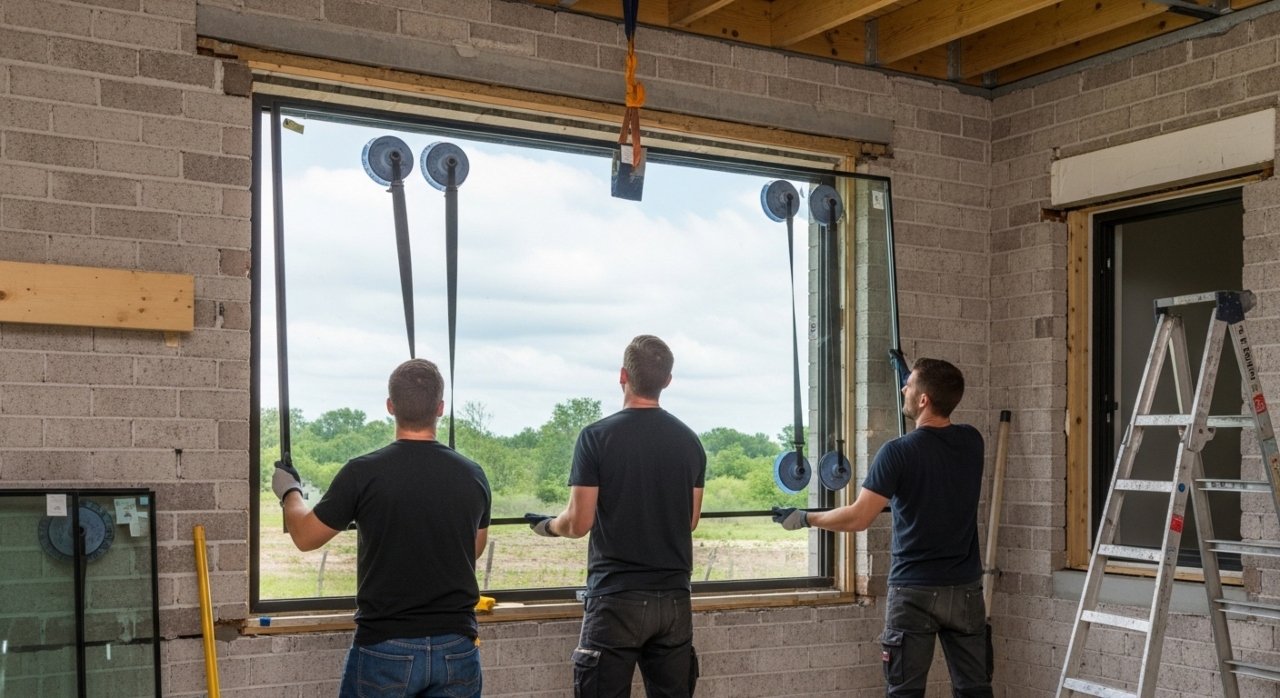
Custom windows allow homeowners to tailor both the appearance and performance of their windows to match the specific needs of their home. Unlike standard window options, custom windows are designed to fit unique architectural styles, unusual wall openings, and personal design preferences. From the first design concept to the final installation, the process involves careful planning, accurate measurements, and professional craftsmanship. Understanding the steps involved helps homeowners make informed decisions and ensures the final result improves comfort, aesthetics, and long-term efficiency.
Understanding the Purpose of Custom Windows
Custom windows are often chosen when homeowners want to enhance the visual character of their property while improving energy efficiency and functionality. Homes with distinctive architecture, large wall openings, or unconventional window shapes benefit the most from custom designs. Instead of adapting the home to fit standard window sizes, custom windows are created to fit the home perfectly.
These windows also allow homeowners to choose materials, glass options, and frame styles that complement both the interior and exterior design. Whether the goal is to increase natural light, improve ventilation, or create a striking visual feature, custom windows provide flexibility that standard products cannot always achieve.
Initial Consultation and Design Planning
The first step in the process is the design consultation. During this phase, homeowners discuss their goals, preferences, and functional requirements with professionals. This stage focuses on understanding how the windows will be used, the desired style, and the architectural characteristics of the home.
Design planning often includes evaluating existing window openings, wall structures, and lighting conditions. Professionals may recommend window styles such as casement, picture, awning, bay, or specialty-shaped windows depending on the homeowner’s objectives. Careful planning ensures that the design aligns with both aesthetic preferences and structural requirements.
Accurate Measurement and Site Evaluation
Precise measurements are critical for successful custom window installation. Unlike standard windows, custom windows are manufactured to exact dimensions based on the specific opening in the home. Professionals carefully measure width, height, depth, and surrounding structural elements to ensure the windows will fit perfectly.
During the site evaluation, installers also inspect the condition of the existing frame, wall insulation, and surrounding materials. Identifying potential issues early in the process prevents complications later during installation. Accurate measurements and detailed inspections ensure the final windows integrate seamlessly into the structure of the home.
Selecting Materials and Frame Options
Once the design and measurements are finalized, the next step is choosing materials for the window frames and components. Frame materials play an important role in durability, insulation, and maintenance requirements. Homeowners commonly choose from materials such as vinyl, wood, fiberglass, aluminum, or composite frames.
Each material offers distinct advantages. Vinyl frames are known for low maintenance and energy efficiency, while wood frames provide classic visual appeal and natural insulation. Fiberglass frames offer exceptional durability and resistance to temperature changes, and aluminum frames provide sleek, modern aesthetics. Selecting the appropriate material ensures the custom windows perform effectively while complementing the design of the home.
Choosing Glass and Energy Efficiency Features
Glass selection is another essential part of the custom window design process. Double-pane or triple-pane glass is commonly used to improve insulation and reduce heat transfer. Many modern windows also include Low-E coatings that reflect heat while allowing natural light to pass through.
Gas fills such as argon or krypton are often placed between glass panes to further enhance insulation. These features help maintain consistent indoor temperatures throughout the year and reduce the workload on heating and cooling systems. Choosing the right combination of glass and coatings helps homeowners maximize energy efficiency while maintaining clear views and natural lighting.
Manufacturing the Custom Windows
After all design details and material selections are finalized, the windows move into the manufacturing stage. Custom windows are fabricated to the exact specifications determined during the planning phase. This process ensures that every component, from the frame to the glass unit, fits the intended opening perfectly.
Manufacturing precision is important because it affects the overall performance of the windows. High-quality craftsmanship ensures that the frames remain structurally sound, the glass units are properly sealed, and the finished windows are ready for installation without requiring adjustments.
Preparing the Home for Installation
Before installation begins, the work area must be properly prepared. Existing windows may need to be removed carefully to avoid damage to surrounding structures. Installers inspect the window openings to confirm they are clean, level, and ready to receive the new units.
Any damaged framing, insulation, or wall materials should be repaired before the custom windows are installed. This preparation ensures the new windows will be securely anchored and sealed correctly, which is essential for long-term performance.
Professional Installation Process
The installation phase is one of the most important steps in the entire process. Even perfectly designed windows cannot perform properly if they are installed incorrectly. Professional installers position the custom windows within the openings, ensuring they are level and aligned.
After positioning the window, installers secure it to the wall framing and apply insulation around the edges to eliminate gaps. Weather-resistant seals and flashing materials are added to protect against moisture infiltration and drafts. This careful process ensures the window frame and glass unit work together to maintain energy efficiency and structural integrity.
Testing and Final Adjustments
Once installation is complete, the windows are tested to ensure they operate smoothly. Installers check that sashes open and close properly, locks function correctly, and seals are tight. Adjustments may be made to ensure the window is perfectly aligned and functioning as intended.
This step also involves cleaning the glass, removing protective materials, and inspecting the finished installation. A thorough inspection ensures that every detail meets quality standards before the project is considered complete.
Long-Term Benefits of Custom Windows
Custom windows provide numerous long-term advantages for homeowners. Because they are designed specifically for the home, they fit perfectly and enhance the overall appearance of the property. Their tailored design also allows for improved energy efficiency, better ventilation, and increased natural light.
In addition to comfort and aesthetics, custom windows can contribute to property value. Well-designed windows enhance curb appeal and demonstrate attention to quality construction, which can be appealing to future buyers.
Maintaining Custom Windows
Proper maintenance helps ensure custom windows remain functional and visually appealing for many years. Regular cleaning of the glass and frames prevents buildup of dirt and debris. Homeowners should also periodically inspect seals, weatherstripping, and hardware to confirm everything remains in good condition.
Maintaining the surrounding window frame and exterior trim is equally important, especially for materials such as wood that may require occasional painting or sealing. Routine care helps preserve the durability and efficiency of custom windows.
Conclusion
Designing and installing custom windows is a detailed process that combines thoughtful planning, precise measurements, high-quality materials, and professional installation. From the initial consultation and design planning to manufacturing and final installation, each step plays an important role in achieving durable and efficient results.
By understanding the step-by-step process, homeowners can make informed decisions and ensure their custom windows enhance both the functionality and visual appeal of their home. When properly designed and installed, custom windows provide long-term benefits including improved natural light, enhanced energy efficiency, and lasting architectural beauty.



Strengthening Content Integrity with the CudekAI AI Detector

Detailed Mold Inspection Reports for Property Buyers, Sellers, and Homeowners

The Ultimate Guide to Hardwood Floor Installation for a Durable and Elegant Space

Subaru WRX STI discontinued … till further notice
What could have been: The incredible experimental engines that time forgot
