
Home improvement
Step-by-Step Process of Roof Installation and Repair by a Professional Roofer

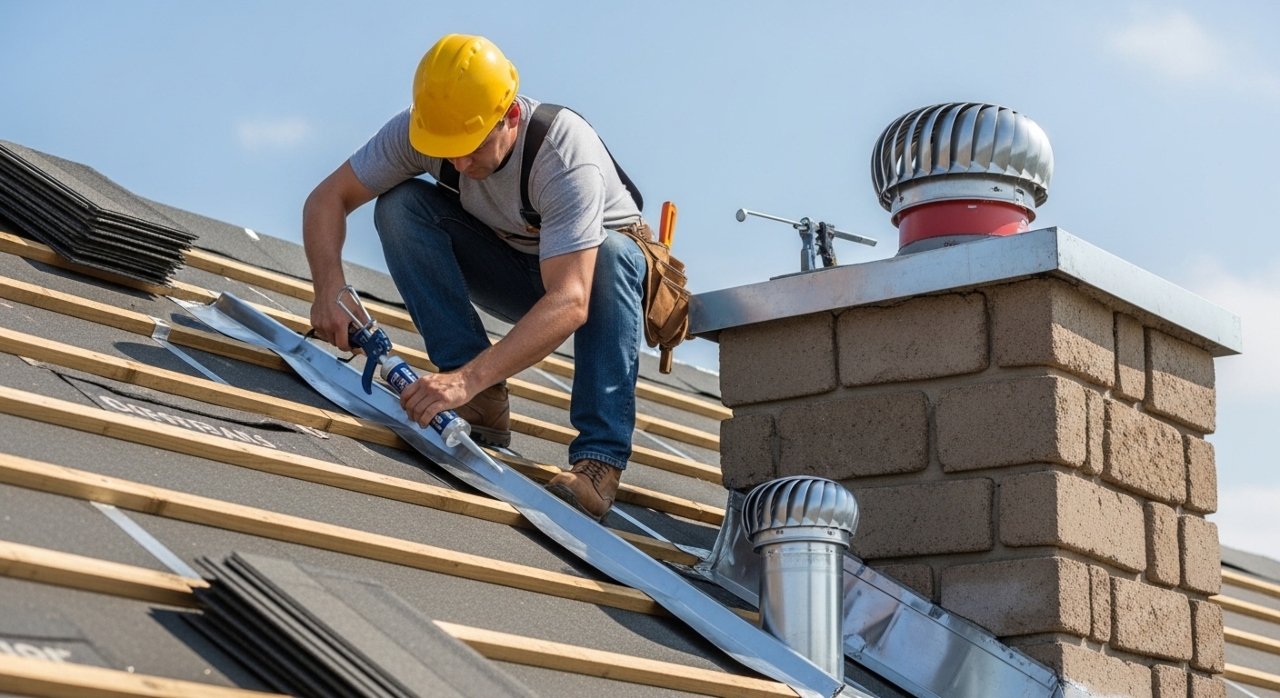
A roof is one of the most critical components of any building, serving as the primary barrier against weather, moisture, and structural damage. Proper installation and timely repairs are essential for ensuring that a roof performs efficiently, protects the home or commercial property, and lasts for many years. Hiring a professional roofer guarantees that each step of the installation or repair process is completed with precision, safety, and expertise. This article outlines the detailed, step-by-step process followed by professional roofers, highlighting how their skills and methods ensure a durable, high-performing roof.
Initial Assessment and Inspection
The roof installation or repair process begins with a thorough assessment of the existing roof and property conditions. For repairs, the professional roofer examines the roof for damage such as missing shingles, leaks, sagging areas, granule loss, and signs of structural weakness. For new installations, the inspection evaluates the roof deck, framing, ventilation, and any structural considerations that could affect the project. Accurate assessment ensures that the roofer identifies all potential issues, develops a plan tailored to the property, and provides homeowners or property managers with a clear understanding of the scope of work, materials required, and projected costs.
Material Selection and Planning
After the initial inspection, the next step involves selecting appropriate roofing materials based on the property type, climate, aesthetic preferences, and budget. A professional roofer advises on materials such as asphalt shingles, metal roofing, slate, tile, or composite materials, highlighting their durability, maintenance requirements, and energy efficiency. Planning also includes scheduling the project, determining labor requirements, coordinating with suppliers, and ensuring compliance with building codes and safety regulations. Proper planning is crucial to avoid delays, ensure material availability, and guarantee a smooth installation or repair process.
Preparing the Roof Surface
For both repairs and new installations, preparing the roof surface is a critical step. The roofer removes old or damaged shingles, clears debris, and inspects the underlying roof deck for structural integrity. Any compromised decking, insulation, or underlayment is repaired or replaced to provide a stable foundation for the new materials. For repairs, damaged sections are cut out and reinforced, while the surrounding area is prepared to integrate seamlessly with the new shingles or roofing components. Proper surface preparation ensures that the new roof or repaired sections adhere correctly, preventing future leaks and extending the lifespan of the roof.
Installing Underlayment and Flashing
A key part of roof durability and leak prevention is the installation of underlayment and flashing. Underlayment acts as a secondary water-resistant barrier beneath shingles or roofing materials, protecting the roof deck from moisture intrusion. Flashing is installed around roof penetrations, such as chimneys, vents, and skylights, as well as along roof edges and valleys to direct water away from vulnerable areas. Professional roofers meticulously install underlayment and flashing using precise techniques to ensure full coverage, proper overlap, and watertight protection. This step is essential for preventing leaks, mold growth, and structural damage over time.
Shingle or Roofing Material Installation
The core of the process is the installation of roofing materials. Professional roofers follow a systematic approach, starting from the eaves and working upward toward the ridge. Shingles or tiles are aligned, fastened securely, and properly overlapped to create a continuous barrier against weather and water intrusion. For metal or composite roofs, panels are installed and fastened according to manufacturer specifications, ensuring durability and resistance to wind uplift. Professional installation techniques guarantee uniformity, aesthetic appeal, and optimal performance, minimizing the risk of future repairs.
Ridge, Hip, and Vent Installation
To enhance roof ventilation and ensure water runoff, roofers install ridge caps, hip caps, and roof vents. Proper ventilation prevents heat and moisture buildup in the attic, which can compromise insulation, damage shingles, and increase energy costs. Ridge and hip caps are installed over the peaks and hips of the roof, ensuring a finished appearance while preventing leaks at these vulnerable points. A professional roofer ensures that all ventilation and ridge components are installed securely and aligned correctly with the overall roofing system.
Inspection and Quality Assurance
Once the roofing materials are installed, a professional roofer conducts a detailed inspection to verify that the roof meets quality and safety standards. Every shingle, tile, or panel is checked for proper alignment and fastening. Flashing, vents, and other components are examined for gaps, leaks, or improper installation. For repairs, the roofer ensures that patched or replaced sections integrate seamlessly with the existing roof, eliminating weak spots. This quality assurance step guarantees that the roof will perform reliably under various weather conditions and extends its longevity.
Cleanup and Waste Removal
Professional roofers also handle cleanup and disposal of debris from installation or repair work. Old shingles, nails, insulation, and other construction waste are collected and disposed of according to local regulations. A clean worksite ensures safety for the property’s occupants and neighbors, and leaves the home or business looking well-maintained. Proper cleanup reflects the professionalism of the roofing company and enhances overall customer satisfaction.
Preventative Maintenance Recommendations
Following installation or repair, a professional roofer often provides recommendations for routine maintenance to maximize roof performance. This includes periodic inspections, gutter cleaning, removal of debris, monitoring for moss or algae growth, and addressing minor issues promptly before they escalate. Preventative maintenance helps extend the lifespan of the roof, maintains its protective function, and preserves the property’s value. Homeowners who follow professional advice reduce the likelihood of unexpected repairs and enjoy long-term benefits from their investment.
Emergency Repairs and Services
Even after a professionally installed or repaired roof, extreme weather events such as storms, hail, or heavy winds can cause sudden damage. Professional roofers offer emergency services to assess the situation, implement temporary solutions, and perform permanent repairs. Prompt attention during emergencies prevents further water intrusion, structural damage, and costly repairs, ensuring the safety and comfort of the property’s occupants.
Conclusion
The process of roof installation and repair by a professional roofer is a meticulous, step-by-step procedure designed to ensure durability, safety, and aesthetic appeal. From initial assessment and material selection to surface preparation, underlayment installation, roofing material placement, ventilation, inspection, and maintenance, every stage is executed with precision and expertise. Homeowners who engage professional roofers in Jamestown benefit from reliable performance, long-lasting protection, energy efficiency, and enhanced property value. Timely roof repairs and expert installation prevent minor issues from developing into major problems, safeguard the structure, and contribute to the overall longevity and appearance of the home. By following professional practices and investing in expert services, property owners can enjoy a safe, efficient, and visually appealing roof for many years.



Mobile IV Therapy: Bringing Advanced Hydration and Wellness Directly to You

Dealing With Sewer Line Problems? Understand When Repairs Are Enough and When a Full Replacement Becomes Necessary

Brush Clearing Solutions for Residential and Commercial Properties With Focus on Efficiency and Environmental Care

Subaru WRX STI discontinued … till further notice
What could have been: The incredible experimental engines that time forgot
