
Blog
Switching 2nd Gear: Tips for Smooth Shifting

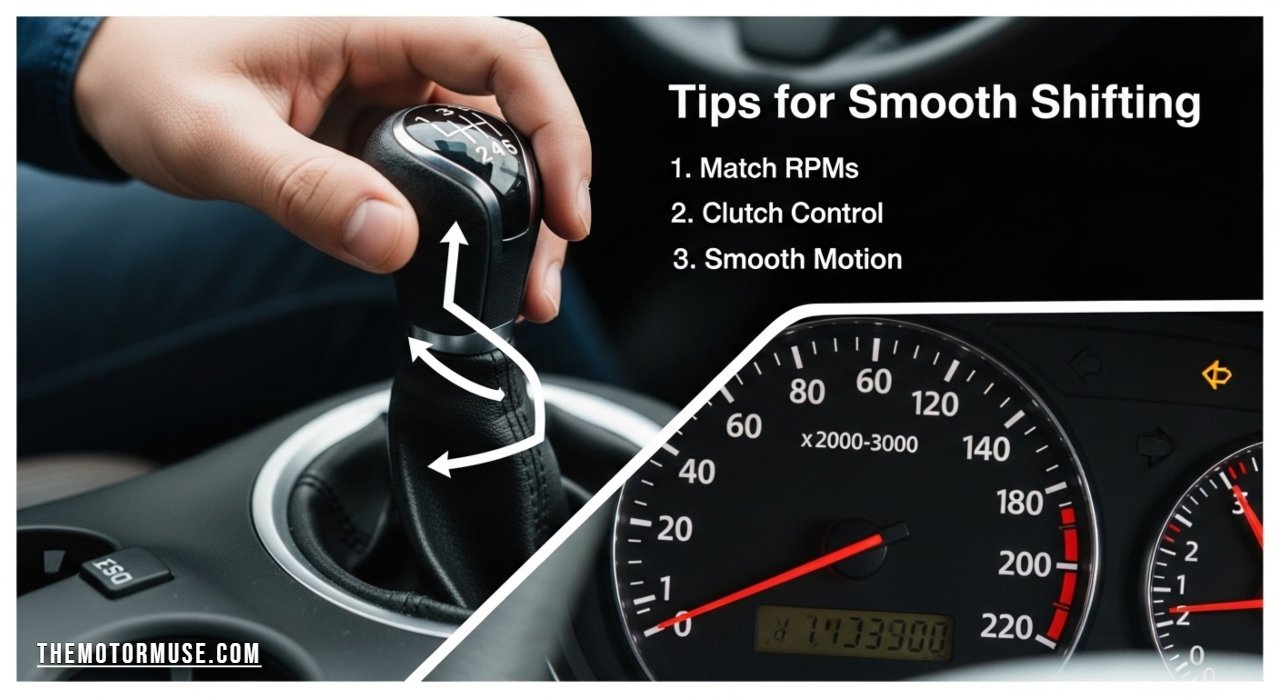
Mastering manual transmission requires more than simply pressing the clutch and moving the stick. One essential skill that every driver must perfect is switching 2nd gear. This gear is frequently used in city driving, stop-and-go traffic, and during initial acceleration. Knowing how to switch 2nd gear smoothly not only improves driving comfort but also reduces wear on your vehicle’s clutch and gearbox.
In this guide, we’ll explore practical techniques, common mistakes, and expert tips to help you switch 2nd gear seamlessly, whether you’re a beginner or an experienced driver.
Understanding the Role of 2nd Gear
Before learning how to switch 2nd gear smoothly, it’s important to understand its function. 2nd gear bridges the gap between starting from 1st gear and reaching higher speeds. It is typically used when:
- Accelerating from a slow roll
- Driving through tight urban streets
- Navigating mild inclines
- Preparing to switch to higher gears
Switching 2nd gear efficiently helps maintain vehicle control, prevents engine strain, and ensures a smoother ride for passengers.
Preparing to Switch 2nd Gear
Proper preparation is crucial before switching 2nd gear. Follow these steps for smooth gear changes:
- Monitor Engine RPM: Avoid letting the engine rev too high in 1st gear. Aim for the recommended RPM range for your vehicle.
- Press the Clutch Fully: Depress the clutch all the way before moving the gear lever. Partial clutch engagement can cause grinding.
- Steady Accelerator: Ease off the accelerator slightly as you press the clutch to avoid jerks.
Being mindful of these preparatory steps sets the foundation for smooth switching 2nd gear.
You might also like: Subaru WRX STI discontinued
Step-by-Step Guide to Switching 2nd Gear
Here is a step-by-step approach to help you master switching 2nd gear:
- Press the Clutch Fully: Always press the clutch to the floor before moving the gear lever.
- Move the Gear Lever: Shift from 1st to 2nd gear along the designated path of your transmission.
- Ease Off the Clutch Gradually: Release the clutch slowly and evenly. Avoid letting it snap up too quickly.
- Apply Gentle Acceleration: As the clutch engages, gently press the accelerator to match the engine speed.
- Adjust Steering and Speed: While focusing on gear change, maintain proper vehicle control and speed.
Practicing these steps consistently will improve your switching 2nd gear technique over time.
Common Mistakes to Avoid
Even experienced drivers can make mistakes when switching 2nd gear. Awareness of these errors helps improve skill and prevent vehicle damage:
- Riding the Clutch: Keeping the clutch partially pressed leads to faster wear.
- Abrupt Acceleration: Pressing the gas pedal too quickly can cause jerky movements.
- Ignoring Engine RPM: Shifting at the wrong RPM can strain the engine and gearbox.
- Incorrect Gear Path: Forcing the gear lever outside its designed path can damage internal components.
- Not Practicing: Smooth switching requires repeated practice, especially on inclines and city roads.
Avoiding these mistakes ensures safer and smoother switching 2nd gear every time.
Tips for Smooth City Driving
City driving often requires frequent switching 2nd gear due to traffic and stoplights. Follow these tips to improve your experience:
- Anticipate Stops: Look ahead to reduce unnecessary acceleration and braking.
- Maintain Proper RPM: Keep the engine in an efficient range for smoother engagement.
- Use Engine Braking: Downshift when slowing down instead of heavy braking.
- Practice Light Acceleration: Gradually press the accelerator after clutch engagement.
By combining these techniques, your city drives become less stressful, and gear changes feel more natural.
Handling Hills and Inclines
Switching 2nd gear on an incline can be challenging. To prevent rolling backward or stalling:
- Use the Handbrake: Hold the vehicle with the handbrake while switching from 1st to 2nd.
- Release Clutch Gradually: Allow the clutch to engage slowly while pressing the accelerator lightly.
- Avoid Sudden Movements: Jerky shifts can cause the vehicle to roll or stall.
With consistent practice, you’ll master switching 2nd gear on slopes and hills safely.
Maintaining Your Vehicle for Smooth Gear Shifts
A well-maintained vehicle supports smoother switching 2nd gear. Key maintenance tips include:
- Check Clutch Health: Worn-out clutches can slip and reduce smoothness.
- Inspect Gearbox Fluid: Ensure proper lubrication for easy gear movement.
- Monitor Engine Performance: A responsive engine helps match RPM during shifts.
- Regular Transmission Checks: Professional inspections prevent long-term gearbox issues.
Proper maintenance not only improves driving comfort but also prolongs the life of your transmission system.
Advanced Techniques for Experienced Drivers
Experienced drivers can refine switching 2nd gear with advanced methods:
- Rev Matching: Sync the engine speed with the gear for ultra-smooth transitions.
- Double Clutching: Used in older or heavy-duty vehicles to reduce wear.
- Heel-Toe Technique: Ideal for performance driving, combining braking and downshifting simultaneously.
These techniques require practice but greatly enhance precision and vehicle control.
Benefits of Mastering Switching 2nd Gear
Perfecting switching 2nd gear brings several advantages:
- Smoother Ride: Passengers experience less jerking.
- Reduced Vehicle Wear: Proper technique preserves clutch and gearbox life.
- Better Fuel Efficiency: Smooth shifts prevent unnecessary engine load.
- Improved Driver Confidence: Handling traffic, hills, and city driving becomes easier.
- Enhanced Safety: Controlled gear changes prevent stalling and sudden stops.
Investing time in learning this skill pays off with long-term driving benefits.
Conclusion
Mastering switching 2nd gear is essential for every manual transmission driver. From city driving to handling hills, this gear is used frequently and requires proper technique to ensure safety, comfort, and vehicle longevity. By understanding the role of 2nd gear, practicing gradual clutch release, managing RPM, and avoiding common mistakes, drivers can achieve smooth and efficient gear shifts.
With consistent practice, attention to maintenance, and gradual adoption of advanced techniques, switching 2nd gear becomes second nature, contributing to a more enjoyable and confident driving experience.












Flixbaba: Movies & TV Show Guide App Overview

Ulieden: Meaning of the Archaic Dutch Pronoun

Opel Meaning: Brand, Name & Automotive Insights

Subaru WRX STI discontinued … till further notice
What could have been: The incredible experimental engines that time forgot
