Home improvement
The Complete Guide to Chimney Cleaning for a Safer and More Efficient Home

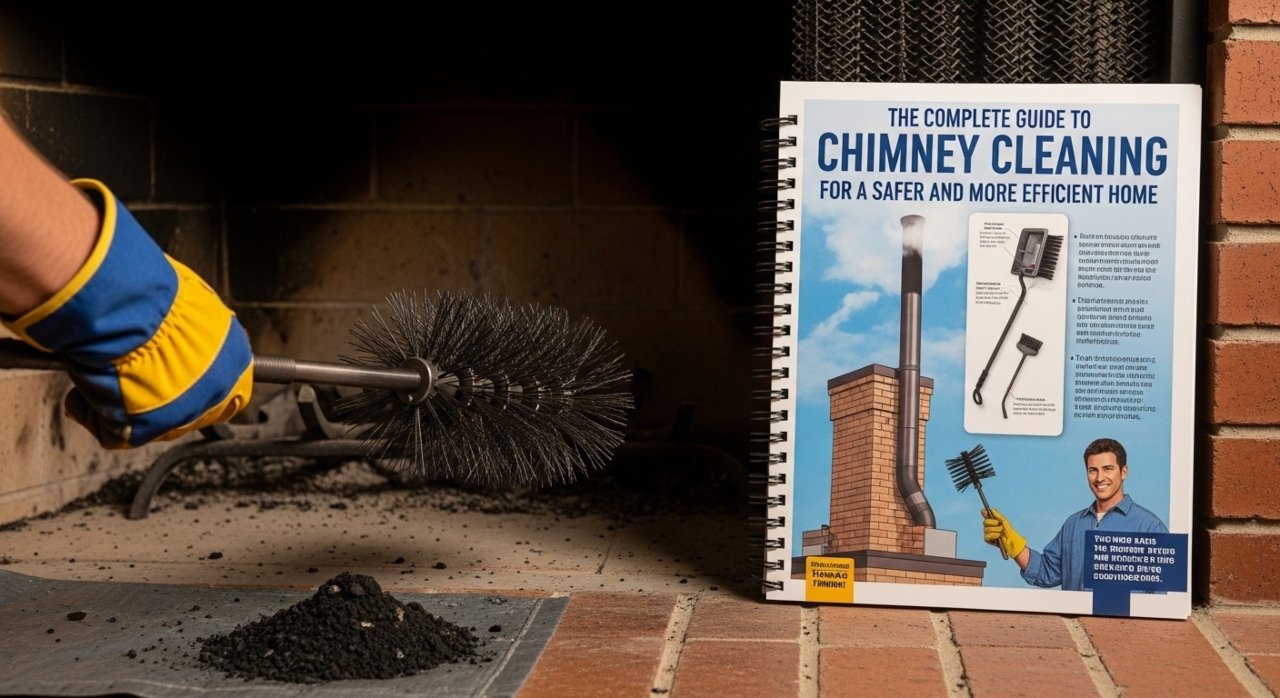
A fireplace adds warmth, ambiance, and comfort to any home, but behind that inviting glow lies a system that demands regular care. Chimneys play a critical role in venting smoke, gases, and combustion byproducts safely outside. Over time, however, soot, creosote, and debris accumulate inside the flue, creating safety hazards and reducing efficiency. Chimney cleaning is an essential maintenance task that protects your home, enhances fireplace performance, and prevents costly structural damage.
Many homeowners underestimate how quickly buildup can occur. Even occasional fireplace use can lead to significant residue accumulation. Without routine maintenance, the chimney can become a hidden risk factor within the home. Understanding the importance of chimney cleaning, the process involved, and the benefits it provides allows homeowners to make informed decisions about proper care.
Why Chimney Cleaning Is Essential
The primary purpose of chimney cleaning is to remove soot and creosote buildup from the flue walls. Creosote is a highly flammable byproduct formed when wood burns incompletely. As smoke rises and cools inside the chimney, it condenses and sticks to the interior surfaces. Over time, this sticky residue hardens and thickens.
If not removed, creosote buildup significantly increases the risk of chimney fires. These fires can burn at extremely high temperatures, damaging chimney liners, cracking masonry, and potentially spreading flames to other areas of the home.
Beyond fire prevention, chimney cleaning ensures proper airflow. A blocked or restricted flue reduces draft efficiency, causing smoke to back up into living spaces. This not only creates unpleasant odors but also introduces harmful gases such as carbon monoxide into the home.
Routine cleaning is not merely a cosmetic task; it is a crucial safety measure.
Understanding How Chimneys Accumulate Debris
Chimneys accumulate more than just soot. Various factors contribute to internal blockages and contamination:
Creosote Formation
Burning wood produces smoke that contains tar vapors and organic compounds. As these rise and cool, they solidify on the flue walls.
Soot and Ash
Fine particles from combustion cling to surfaces and gradually narrow the passage.
Animal Nests
Birds and small animals may build nests inside chimneys, especially during warmer months when fireplaces are unused.
Leaves and Outdoor Debris
Without a protective chimney cap, wind can carry leaves and twigs into the flue.
Each of these obstructions can reduce ventilation efficiency and increase the risk of fire or gas exposure.
Signs Your Chimney Needs Cleaning
Although annual inspections are recommended, certain warning signs indicate immediate attention is necessary. These include:
- Strong smoky odors when the fireplace is not in use
- Excessive smoke entering the room during fires
- Black, shiny buildup inside the flue
- Falling soot or debris in the firebox
- Difficulty maintaining a steady flame
- White staining on exterior masonry
If any of these symptoms appear, scheduling chimney cleaning promptly can prevent further damage or safety concerns.
How Often Should Chimneys Be Cleaned?
The frequency of chimney cleaning depends on how often the fireplace is used and the type of fuel burned. Wood-burning fireplaces typically require more frequent maintenance because they produce higher levels of creosote.
Most industry professionals recommend at least one inspection per year, even if the fireplace is used occasionally. Homes that burn wood regularly throughout the colder months may need cleaning annually or after every cord of wood burned.
Gas fireplaces produce less creosote but still require periodic inspection to ensure vents remain clear and components function properly.
Routine maintenance prevents buildup from reaching hazardous levels.
The Chimney Cleaning Process Explained
Professional chimney cleaning involves more than simply sweeping soot from the flue. A thorough process ensures safety and effectiveness:
Initial Inspection
Before cleaning begins, technicians assess the chimney’s condition. They check for cracks, structural damage, liner issues, and blockages.
Protective Preparation
To prevent dust from entering the home, the surrounding area is covered with protective sheets. Specialized vacuums with filtration systems are used to contain debris.
Mechanical Brushing
Rotary brushes and rods are inserted into the flue to loosen creosote and soot from the interior walls.
Debris Removal
High-powered vacuums remove loosened debris from the chimney and firebox.
Final Evaluation
After cleaning, technicians re-inspect the chimney to ensure no obstructions remain and to identify any necessary repairs.
This systematic approach ensures thorough cleaning while protecting the home’s interior.
The Dangers of Chimney Fires
Chimney fires often start quietly, with homeowners unaware of the danger. Signs may include a loud cracking noise, intense heat, or dense smoke. Some chimney fires burn slowly and go unnoticed, yet still cause significant structural damage.
High temperatures from chimney fires can crack flue liners, weaken mortar joints, and damage surrounding structures. In severe cases, flames may spread to the roof or attic.
Regular chimney cleaning dramatically reduces the likelihood of these dangerous events. Removing flammable creosote deposits eliminates the primary fuel source for chimney fires.
Carbon Monoxide and Ventilation Risks
A blocked chimney can trap harmful gases inside the home. Carbon monoxide is particularly dangerous because it is colorless and odorless. Prolonged exposure can lead to serious health consequences.
Proper ventilation ensures that combustion gases exit safely. Chimney cleaning removes obstructions that interfere with draft performance, maintaining safe airflow.
Installing carbon monoxide detectors provides additional protection, but maintaining a clean chimney is the first line of defense.
Benefits of Professional Chimney Cleaning
Hiring professionals offers several advantages beyond basic soot removal:
Thoroughness
Trained technicians use specialized tools to remove stubborn creosote layers effectively.
Safety
Working on rooftops and handling chimney equipment involves risks. Professionals are trained to operate safely at heights.
Early Problem Detection
Inspections during cleaning often reveal issues such as cracked liners, deteriorating mortar, or damaged chimney caps.
Improved Efficiency
A clean chimney allows fires to burn more efficiently, producing consistent heat and reducing smoke.
Professional service ensures comprehensive care and long-term reliability.
Chimney Cleaning and Energy Efficiency
An obstructed chimney reduces fireplace efficiency. Poor draft performance can cause incomplete combustion, wasting fuel and generating excessive smoke.
Clean flues allow proper airflow, supporting efficient burning. This not only improves heating performance but also reduces creosote formation by promoting cleaner combustion.
Efficient operation contributes to lower fuel consumption and improved indoor comfort.
Preventative Measures Between Cleanings
Homeowners can take steps to reduce buildup and extend the time between professional cleanings:
- Burn seasoned hardwood rather than wet or green wood
- Avoid burning trash, cardboard, or treated materials
- Ensure proper airflow by fully opening the damper before lighting a fire
- Remove ashes regularly from the firebox
- Install a chimney cap to prevent debris entry
These habits support chimney health but do not replace professional maintenance.
The Role of Chimney Caps and Liners
Chimney caps prevent rain, animals, and debris from entering the flue. Without a cap, moisture can mix with creosote, forming acidic compounds that accelerate deterioration.
Chimney liners protect masonry from heat and corrosion. Cracked or damaged liners increase fire risk and reduce ventilation efficiency. During cleaning, technicians often assess liner conditions to ensure safe operation.
Maintaining these components enhances overall system durability.
Seasonal Preparation and Scheduling
Scheduling chimney cleaning before peak fireplace season is ideal. Preparing in late summer or early fall ensures the system is ready for regular use.
Waiting until winter may result in longer appointment delays and limited availability. Proactive scheduling allows homeowners to address any repair needs before heavy usage begins.
Regular maintenance becomes part of responsible seasonal home preparation.
Long-Term Financial Benefits
While chimney cleaning involves a service cost, it prevents far more expensive repairs. Chimney fires, structural rebuilding, water damage, and interior repairs can be financially overwhelming.
Routine cleaning extends chimney lifespan and preserves masonry integrity. By addressing minor issues early, homeowners avoid major reconstruction expenses.
Preventative care is always more cost-effective than emergency repair.
Environmental and Health Considerations
Cleaner chimneys produce fewer emissions due to improved combustion efficiency. Reduced smoke output benefits both indoor air quality and the surrounding environment.
Eliminating soot and creosote also minimizes allergens and airborne particles inside the home. This contributes to a healthier living space, particularly for individuals with respiratory sensitivities.
Maintaining a clean chimney aligns with responsible and environmentally conscious homeownership.
Choosing a Qualified Chimney Professional
When selecting a service provider, homeowners should verify credentials, training, and insurance coverage. Experienced professionals follow established safety standards and industry guidelines.
Reading reviews, requesting detailed service explanations, and confirming inspection procedures help ensure reliable service.
A trustworthy professional provides transparent communication, clear pricing, and thorough documentation of findings.
Final Thoughts on Chimney Cleaning
Chimney cleaning is a vital aspect of home maintenance that directly impacts safety, efficiency, and long-term structural health. Creosote buildup, debris blockages, and ventilation restrictions create risks that should never be ignored.
Routine professional cleaning removes hazardous deposits, enhances fireplace performance, and protects against chimney fires and carbon monoxide exposure. Combined with regular inspections and preventative measures, chimney maintenance ensures reliable and safe operation for years to come.
A well-maintained chimney allows homeowners to enjoy the warmth and comfort of their fireplace with confidence, knowing their home is protected and their system is functioning at its best.


Mobile IV Therapy: Bringing Advanced Hydration and Wellness Directly to You

Dealing With Sewer Line Problems? Understand When Repairs Are Enough and When a Full Replacement Becomes Necessary

Brush Clearing Solutions for Residential and Commercial Properties With Focus on Efficiency and Environmental Care

Subaru WRX STI discontinued … till further notice
What could have been: The incredible experimental engines that time forgot
