
agriculture
The Complete Guide to Irrigation for Efficient Water Management and Sustainable Growth

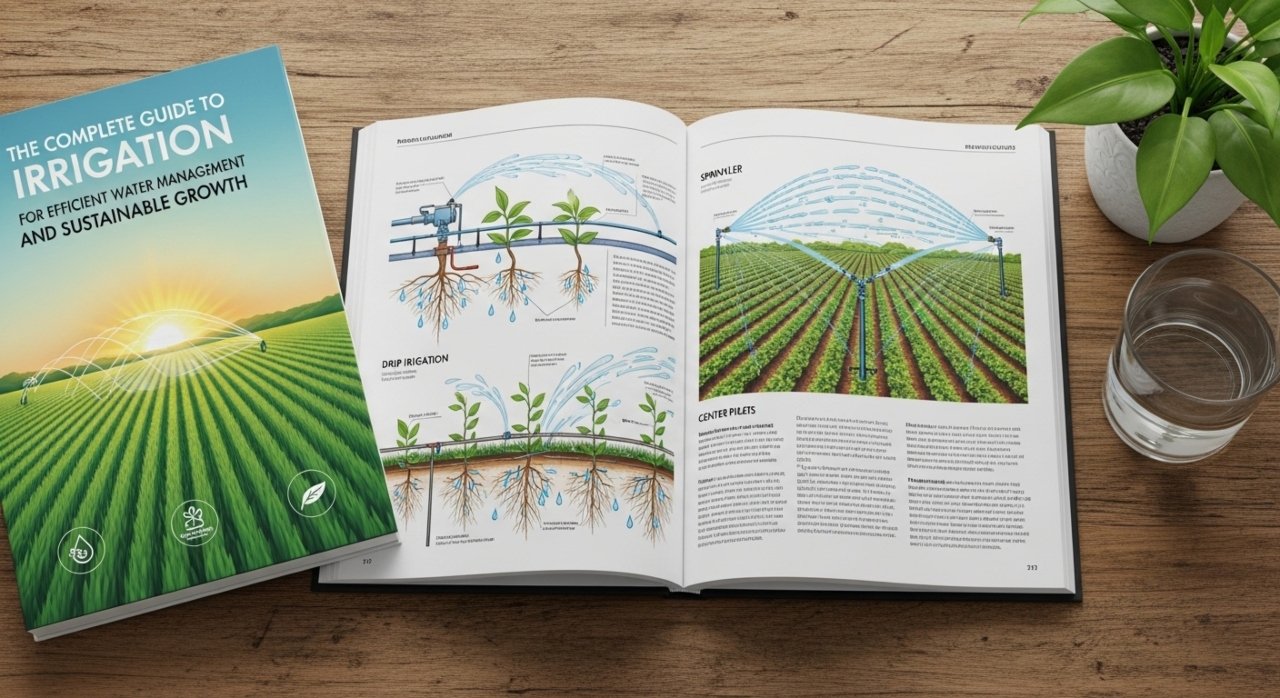
Efficient irrigation is essential for maintaining healthy landscapes, productive gardens, and thriving agricultural operations. Proper irrigation management ensures that plants receive the right amount of water at the right time, minimizing waste, promoting sustainable growth, and reducing overall water costs. Whether for residential lawns, commercial landscapes, or large-scale agricultural fields, understanding the principles of irrigation, the types of systems available, and best practices is crucial for achieving optimal results while conserving natural resources.
Understanding the Importance of Irrigation
Irrigation goes beyond simply providing water to plants. It is a strategic approach to maintaining soil moisture, enhancing nutrient uptake, and promoting robust plant growth. Inconsistent watering or overwatering can lead to plant stress, disease, nutrient deficiencies, and soil erosion. Conversely, efficient irrigation ensures that water is applied uniformly, deeply, and at intervals that match plant needs. For agricultural operations, efficient irrigation contributes to higher crop yields, improved soil health, and sustainable resource use, while for residential and commercial landscapes, it preserves aesthetic appeal, reduces maintenance costs, and supports environmentally responsible practices.
Types of Irrigation Systems
Several irrigation systems are designed to deliver water effectively depending on landscape size, soil type, plant requirements, and resource availability. Understanding the differences between these systems allows property owners and managers to select the most suitable option for sustainable water management.
Drip Irrigation
Drip irrigation is one of the most water-efficient methods, delivering water directly to the root zones of plants through a network of tubes, emitters, or hoses. This system minimizes evaporation and runoff, making it ideal for gardens, flower beds, and areas with water restrictions. Drip irrigation promotes uniform growth, reduces weed proliferation, and ensures precise water application for individual plants.
Sprinkler Systems
Sprinkler systems distribute water over a larger area, simulating rainfall. They are commonly used for lawns, golf courses, and commercial landscapes. Sprinklers can be stationary, rotating, or pop-up heads depending on the design of the irrigation zone. Modern sprinkler systems can be automated and adjusted with timers and sensors to reduce water waste and optimize coverage.
Subsurface Irrigation
Subsurface irrigation involves burying porous pipes or tubes below the soil surface to deliver water directly to plant roots. This method reduces evaporation, limits weed growth, and ensures deep soil moisture. Subsurface systems are particularly useful in areas with high evaporation rates or when targeting root-zone watering for trees and shrubs.
Manual Watering
Although less efficient for large areas, manual watering with hoses or watering cans allows precise control for small gardens or container plants. While it is labor-intensive, it can be effective for delicate plants or temporary irrigation needs.
Benefits of Efficient Irrigation
Properly designed and managed irrigation systems provide numerous benefits for plants, property, and the environment:
Water Conservation
Efficient irrigation reduces water waste by delivering the exact amount needed. Using drip or sensor-based systems ensures minimal runoff, evaporation, or oversaturation, helping to preserve local water resources and comply with water conservation regulations.
Improved Plant Health and Growth
Consistent and precise watering supports root development, nutrient absorption, and overall plant vitality. Plants that receive adequate moisture are more resilient to disease, pests, and environmental stressors, resulting in healthier lawns, gardens, and crops.
Cost Savings
Reducing water consumption directly impacts utility bills, particularly for large properties or agricultural operations. Automated irrigation systems with timers and sensors optimize water usage, minimizing both water costs and labor expenses.
Environmental Sustainability
Efficient irrigation systems help protect the environment by preventing overwatering, reducing soil erosion, and limiting nutrient runoff into nearby water bodies. Sustainable irrigation practices contribute to long-term ecosystem health and promote responsible land stewardship.
Best Practices for Effective Irrigation
To achieve efficient water management, several best practices should be implemented:
- Regular System Maintenance: Inspect irrigation systems for leaks, clogs, or damaged components to ensure optimal performance.
- Use of Timers and Sensors: Automated timers and soil moisture sensors prevent overwatering and ensure water is applied only when necessary.
- Zone-Based Watering: Divide landscapes into zones based on plant type, soil conditions, and sun exposure to provide tailored watering schedules.
- Seasonal Adjustments: Adjust watering frequency and duration based on seasonal changes, rainfall, and temperature to prevent overuse of water.
- Deep Watering: Apply water deeply and infrequently to encourage strong root growth and reduce surface evaporation.
Integrating Irrigation with Sustainable Landscaping
Efficient irrigation works best when integrated with sustainable landscaping practices. Incorporating drought-tolerant plants, mulching, proper soil amendments, and thoughtful landscape design reduces overall water demand. Grouping plants with similar water needs and optimizing sun and shade placement further enhances irrigation efficiency while supporting sustainable growth.
Monitoring and Technology in Modern Irrigation
Modern irrigation technology allows property managers and homeowners to monitor water usage, adjust schedules remotely, and track plant health. Smart irrigation controllers, weather-based sensors, and mobile applications enable precise water management, reducing waste and promoting sustainability. Data-driven decisions based on soil moisture levels and weather patterns optimize irrigation while protecting resources and maintaining healthy landscapes.
Long-Term Advantages of Efficient Irrigation
Investing in proper irrigation systems and practices provides long-term benefits beyond immediate water savings. Plants thrive, soil health improves, and landscapes maintain their aesthetic and functional value. Efficient irrigation reduces maintenance costs, prevents overwatering-related damage, and enhances the property’s overall value. Additionally, sustainable water management contributes to environmental stewardship, helping communities conserve resources for future generations.
Conclusion
Efficient irrigation is a cornerstone of sustainable water management and healthy landscape maintenance. By selecting the appropriate system, implementing best practices, and integrating technology, homeowners, commercial property managers, and agricultural operators can optimize water usage, promote plant health, and reduce environmental impact. Whether using drip, sprinkler, subsurface, or automated irrigation, the focus should always be on precision, sustainability, and long-term results. Properly managed irrigation ensures that landscapes thrive, resources are conserved, and properties remain vibrant, productive, and visually appealing for years to come.



Strengthening Content Integrity with the CudekAI AI Detector

Detailed Mold Inspection Reports for Property Buyers, Sellers, and Homeowners

The Ultimate Guide to Hardwood Floor Installation for a Durable and Elegant Space

Subaru WRX STI discontinued … till further notice
What could have been: The incredible experimental engines that time forgot
