
Land management
The Complete Guide to Parking Lot Signage for Safety, Compliance, and Professional Appearance

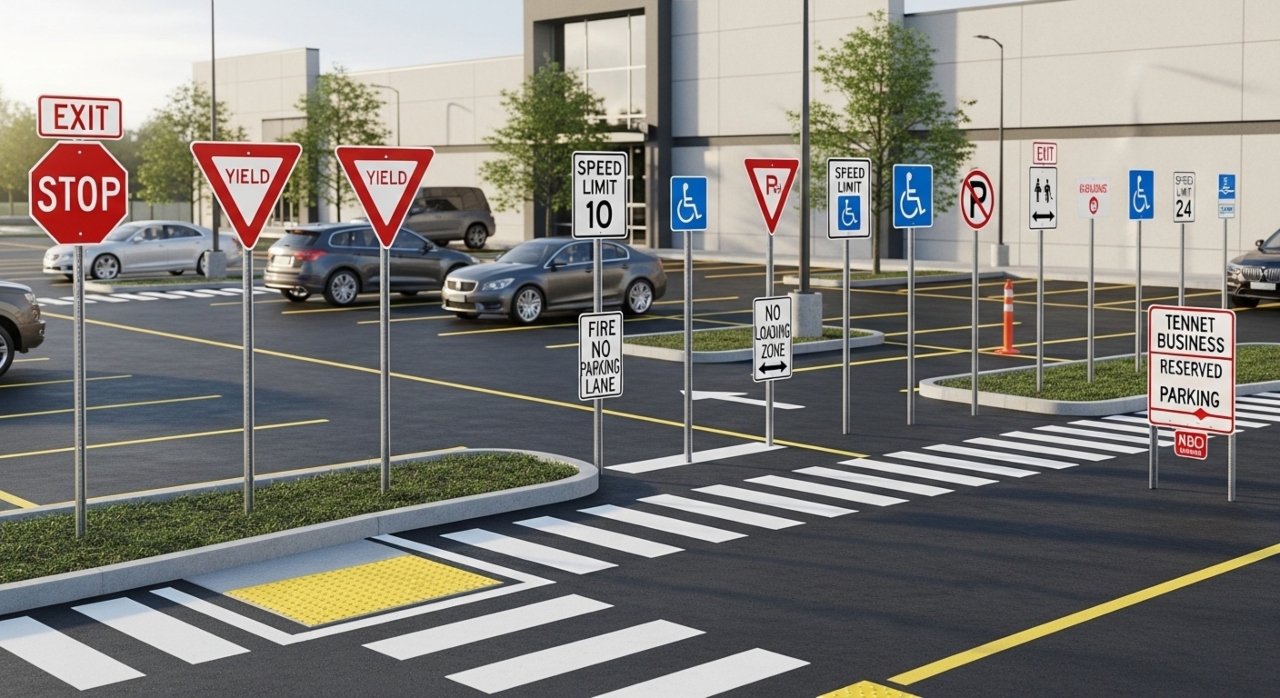
An organized and well managed parking area depends on more than painted lines alone. Clear and visible parking lot signage plays a crucial role in directing traffic, improving safety, and ensuring regulatory compliance. Without proper signage, drivers may become confused, park in restricted areas, or fail to follow traffic flow guidelines, leading to accidents and liability risks.
Property owners, facility managers, and business operators must understand the importance of investing in high quality parking lot signage. From directional signs and speed limits to accessible parking and fire lane markers, signage ensures order, efficiency, and a professional presentation.
What Is Parking Lot Signage
Parking lot signage refers to the use of clearly marked signs installed within a parking area to communicate rules, directions, warnings, and designations to drivers and pedestrians. These signs are typically mounted on poles, walls, or other visible structures and are designed to withstand outdoor conditions.
Common types of parking lot signage include stop signs, directional arrows, speed limit signs, reserved parking indicators, accessible parking signs, no parking notices, and fire lane markers. Each type serves a specific purpose in maintaining order and promoting safety within the parking area.
Proper signage complements parking lot striping and pavement markings, creating a comprehensive traffic management system that supports both drivers and pedestrians.
Importance of Clear Parking Lot Signage
Clear and visible parking lot signage improves safety by guiding drivers through entry and exit points, designated parking areas, and restricted zones. Without proper direction, vehicles may move unpredictably, increasing the risk of collisions.
Pedestrian safety is enhanced through signage that indicates crosswalks, pedestrian zones, and caution areas. Speed limit signs encourage controlled driving within the lot, reducing accidents and ensuring a safer environment for everyone.
Compliance with regulations is another critical factor. Many properties must adhere to accessibility and safety standards that require clearly posted signs. Failure to provide proper signage can result in fines, legal issues, and potential liability in the event of accidents.
In addition to safety and compliance, parking lot signage enhances professionalism. Well designed and maintained signs create a positive first impression for visitors, customers, and tenants, reflecting the property’s commitment to organization and care.
Types of Parking Lot Signage
There are several types of parking lot signage designed to address different needs. Directional signs guide vehicles toward entrances, exits, and specific parking zones. These signs reduce confusion and improve traffic flow.
Regulatory signs communicate rules such as speed limits, no parking areas, and reserved spaces. These signs help maintain order and prevent unauthorized use of designated areas.
Accessible parking signs indicate spaces reserved for individuals with mobility challenges. These signs must meet specific size, height, and visibility requirements to ensure compliance with accessibility standards.
Warning signs alert drivers to potential hazards such as sharp turns, pedestrian crossings, or speed bumps. Clear warnings improve awareness and reduce the likelihood of accidents.
Custom signs may also be used for private property, tenant parking, loading zones, or specific operational needs.
Materials Used in Parking Lot Signage
Durability is a key factor in effective parking lot signage. Signs are typically made from aluminum, steel, or other weather resistant materials. Reflective coatings enhance visibility at night or during adverse weather conditions.
High quality printing and UV resistant finishes prevent fading and deterioration caused by sunlight exposure. Proper mounting hardware ensures stability and resistance to wind or impact.
Investing in durable materials ensures long lasting performance and reduces the need for frequent replacements.
Planning and Placement of Parking Lot Signage
Strategic placement is essential for maximizing the effectiveness of parking lot signage. Signs must be positioned at eye level and in clear view of approaching drivers. Poor placement can reduce visibility and limit effectiveness.
Property managers should assess traffic patterns, entry and exit points, and pedestrian flow when planning signage installation. Proper spacing between signs prevents clutter while ensuring all necessary information is communicated clearly.
Professional contractors can assist with layout planning, ensuring compliance with regulations and optimizing traffic management. Clear planning reduces confusion and enhances overall safety.
Benefits of Professional Installation
Professional installation of parking lot signage ensures proper alignment, secure mounting, and compliance with local regulations. Experienced contractors understand visibility requirements, height standards, and spacing guidelines.
Improper installation can lead to leaning signs, obstructed visibility, or failure to meet regulatory standards. Professional services reduce these risks and provide long term reliability.
Additionally, professionals can recommend improvements to signage layout and design, enhancing both functionality and appearance.
Maintenance and Inspection
Regular maintenance is necessary to ensure parking lot signage remains effective. Signs should be inspected periodically for damage, fading, or obstruction. Weather, vehicle impact, and vandalism can affect visibility and stability.
Cleaning reflective surfaces maintains brightness and readability. Damaged or faded signs should be replaced promptly to prevent confusion or noncompliance.
Routine inspections help identify issues early and extend the lifespan of signage systems. Consistent maintenance demonstrates commitment to safety and professionalism.
Enhancing Accessibility and Safety
Accessibility compliance is a major consideration in parking lot signage. Designated accessible parking spaces must include properly sized and visible signs indicating reserved status. Clear signage ensures individuals with disabilities have safe and convenient access to facilities.
Fire lane and emergency access signs are equally important. These signs prevent vehicles from blocking critical access points, ensuring emergency responders can act quickly when needed.
By investing in clear and compliant parking lot signage, property owners reduce liability risks and create a safer environment for drivers and pedestrians.
Cost Factors in Parking Lot Signage
The cost of parking lot signage depends on factors such as the number of signs required, materials used, customization needs, and installation complexity. Larger properties with multiple traffic zones may require extensive signage systems.
While there is an initial investment, durable materials and professional installation reduce long term replacement costs. Budget planning should include design, materials, labor, and ongoing maintenance.
Obtaining detailed estimates and understanding project scope helps property owners manage costs effectively.
Long Term Value of Parking Lot Signage
Parking lot signage provides long term value by improving traffic organization, enhancing safety, and ensuring compliance with regulations. Clearly posted signs reduce confusion and prevent unauthorized parking, contributing to a smoother and more efficient parking experience.
Well maintained signage enhances property value and supports a professional image. Visitors and customers appreciate clearly marked directions and safe navigation within parking areas.
As regulations and property needs evolve, updating signage ensures continued compliance and operational efficiency. Investing in quality signage is a proactive step toward maintaining safety and order.
Conclusion
Parking lot signage is an essential component of effective traffic management and property maintenance. From directional guidance and regulatory notices to accessibility and safety warnings, clear signage ensures organized movement and reduces liability risks.
By prioritizing durable materials, professional installation, and routine maintenance, property owners can create a safe and welcoming environment for drivers and pedestrians. Proper planning and strategic placement maximize effectiveness while supporting regulatory compliance.
Investing in high quality parking lot signage enhances safety, professionalism, and long term property value, making it a critical element of any well managed parking facility.



Detailed Mold Inspection Reports for Property Buyers, Sellers, and Homeowners

The Ultimate Guide to Hardwood Floor Installation for a Durable and Elegant Space

Mercedes-Benz GLE Coupe: Luxury SUV Features & Review

Subaru WRX STI discontinued … till further notice
What could have been: The incredible experimental engines that time forgot
