
Home improvement
Transforming Spaces with Epoxy Flooring: Benefits, Applications, and Maintenance

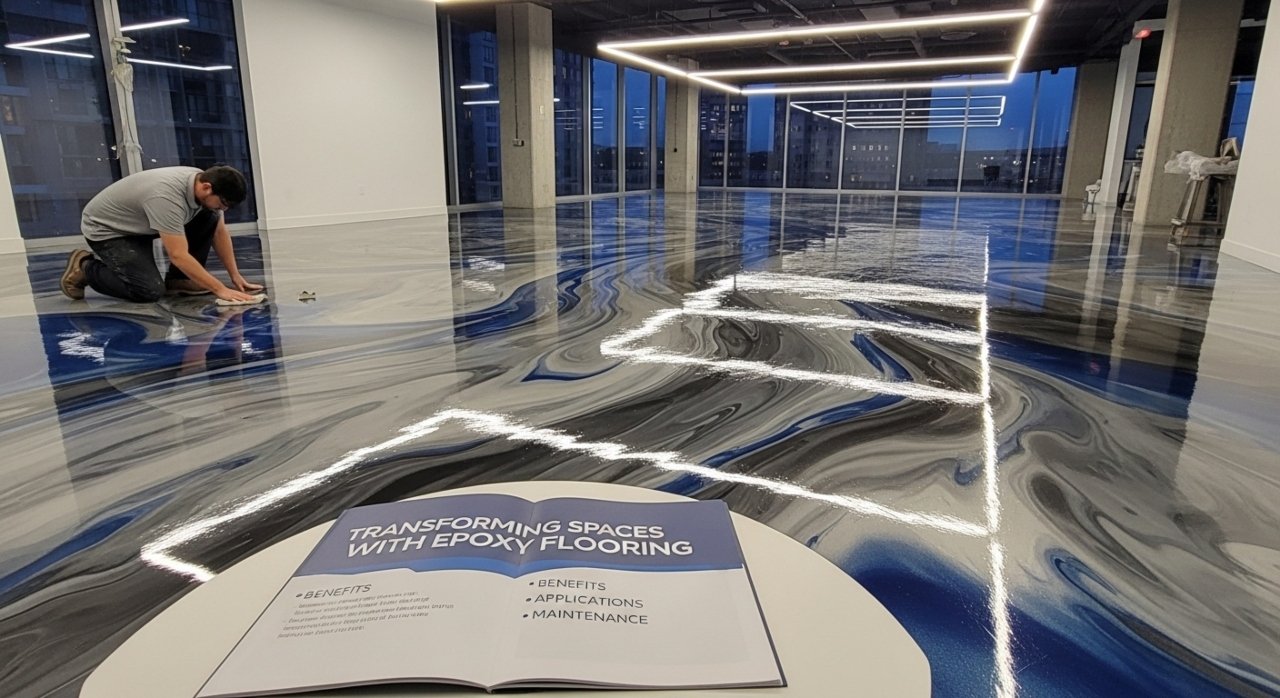
Floors are fundamental elements of any space, serving not only as surfaces to walk on but also as essential components of design, functionality, and durability. Among the variety of flooring options available today, epoxy flooring has emerged as a highly versatile, long-lasting, and aesthetically appealing solution for both residential and commercial applications. Epoxy flooring is a resin-based coating applied over concrete surfaces to create a seamless, resilient, and polished finish capable of withstanding heavy use, chemical exposure, and daily wear. Its unique properties make it suitable for a wide range of environments, from garages, basements, and workshops to industrial warehouses, hospitals, and showrooms. The combination of strength, durability, and visual appeal makes epoxy flooring not only functional but also an attractive design choice. Understanding the composition, benefits, applications, installation process, and maintenance of epoxy flooring is essential for property owners who want a floor that performs well over time while enhancing the look of the space.
Composition and Features of Epoxy Flooring
Epoxy flooring is composed of a combination of resin and hardener that chemically react during a curing process to create a rigid and durable coating that adheres strongly to the concrete underneath. This chemical bond provides exceptional strength, impact resistance, and longevity while protecting the surface from stains, abrasion, and chemical damage. Modern epoxy systems include various formulations such as solvent-based, water-based, and 100% solids coatings, each offering specific advantages depending on the application, desired finish, and environmental considerations. Epoxy coatings can also be customized with decorative elements, including metallic pigments, colored flakes, or textured finishes, allowing for the creation of unique and visually striking surfaces suitable for both residential and commercial design projects.
Benefits of Epoxy Flooring
One of the primary benefits of epoxy flooring is its durability and longevity. Unlike conventional flooring options, epoxy can withstand heavy traffic, machinery, and frequent use without significant wear or deterioration, making it ideal for high-traffic areas. Its chemical and stain resistance ensures that spills from oils, cleaning agents, or industrial chemicals do not damage the surface, which is especially valuable in commercial, industrial, and healthcare settings where cleanliness and hygiene are critical. Another notable advantage of epoxy flooring is its ease of maintenance. Its seamless nature prevents dirt, dust, and debris from accumulating in cracks or joints, making routine cleaning simple and efficient. Sweeping, mopping, or using neutral cleaning solutions is usually sufficient to maintain the floor’s polished appearance. This low-maintenance characteristic not only saves time but also supports hygienic conditions in spaces such as kitchens, laboratories, hospitals, and food preparation areas. In addition to functionality, epoxy flooring enhances aesthetic appeal. The glossy, polished finish provides a modern and professional look, while custom colors, patterns, and textures allow designers and property owners to achieve a highly personalized appearance. Epoxy surfaces can mimic the look of marble, stone, or other decorative materials while maintaining the practical benefits of durability and ease of cleaning. Safety is another important consideration addressed by epoxy flooring. While standard epoxy can be smooth and glossy, anti-slip additives can be incorporated to improve traction, reduce accidents, and enhance workplace safety. This feature is particularly important in environments where moisture or spills are common, ensuring both employees and visitors are protected from potential hazards.
Applications of Epoxy Flooring
The applications of epoxy flooring are broad, ranging from residential to industrial and commercial environments. In residential settings, epoxy is commonly used in garages, basements, and home workshops due to its resistance to stains, impacts, and chemicals. Homeowners appreciate the combination of practicality and aesthetic versatility, as epoxy flooring can transform ordinary concrete into a visually appealing, polished surface. In commercial and industrial settings, epoxy flooring is highly valued for its durability, seamless surface, and chemical resistance. Warehouses, factories, automotive workshops, retail stores, and laboratories benefit from the floor’s ability to withstand heavy machinery, frequent foot traffic, and potential chemical spills while maintaining a clean and professional appearance. Healthcare and food industry facilities also rely on epoxy flooring due to its non-porous, hygienic surface that resists bacteria, mold, and moisture while allowing for easy cleaning and disinfection. Epoxy flooring is increasingly used for decorative and recreational spaces such as gyms, showrooms, studios, and entertainment venues because it can be customized with colors, metallic effects, and textures to create visually striking environments.
Installation Process
The installation process for epoxy flooring is critical for achieving the desired durability and appearance. Proper surface preparation, including cleaning, repairing cracks, and leveling the concrete, is essential to ensure strong adhesion and prevent future issues. A primer coat may be applied to enhance the bond between the epoxy and concrete, followed by careful mixing of the resin and hardener to initiate curing. The epoxy is then applied using rollers, squeegees, or brushes, and multiple layers may be added depending on the desired thickness and protective properties. Once cured, optional decorative elements or topcoats can be applied to enhance aesthetics and improve slip resistance, resulting in a seamless, polished, and durable floor that can withstand years of use.
Maintenance Tips
Maintenance of epoxy flooring is straightforward due to its seamless and resilient nature. Regular sweeping and mopping with neutral solutions help preserve its appearance while avoiding abrasive tools or harsh chemicals ensures the coating remains intact. Periodic inspection for scratches or minor damage allows for timely repairs, extending the floor’s lifespan and maintaining its visual appeal. With proper care, epoxy flooring continues to provide exceptional durability, functionality, and aesthetics for many years.
Conclusion
In conclusion, epoxy flooring is a highly versatile, durable, and visually appealing solution suitable for a wide range of applications, including residential garages, industrial warehouses, commercial showrooms, and healthcare facilities. Its combination of strength, chemical resistance, easy maintenance, safety, and aesthetic versatility makes it an ideal choice for anyone seeking a long-lasting and attractive flooring solution. By understanding the installation process, benefits, and maintenance requirements, property owners can make informed decisions that enhance both the functionality and appearance of their spaces. Properly installed and maintained epoxy flooring transforms ordinary concrete into a durable, hygienic, and stylish surface that meets the demands of modern life while providing exceptional value over time.



Strengthening Content Integrity with the CudekAI AI Detector

Detailed Mold Inspection Reports for Property Buyers, Sellers, and Homeowners

The Ultimate Guide to Hardwood Floor Installation for a Durable and Elegant Space

Subaru WRX STI discontinued … till further notice
What could have been: The incredible experimental engines that time forgot
