
Home improvement
When to Consider Furnace Replacement Instead of Continuous Repairs

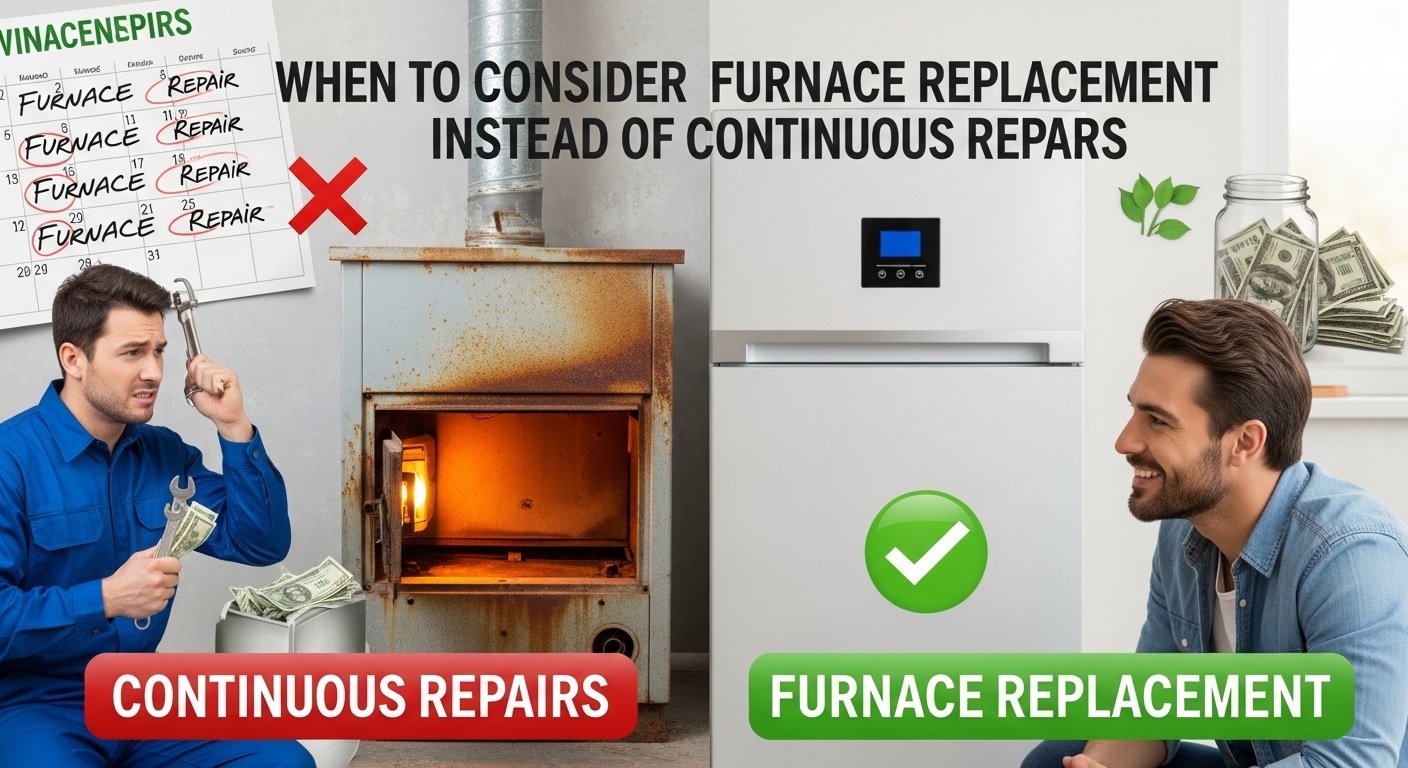
Home heating is one of the most critical systems in any residential property, providing comfort and safety throughout the cold months. When a furnace begins to show signs of inefficiency or failure, homeowners face an important decision: whether to repair the existing unit or invest in a furnace replacement. Understanding when replacement is necessary, the types of furnaces available, installation considerations, energy efficiency, and long-term costs is essential for making a well-informed decision that ensures reliable heating for years to come.
A furnace is not just a piece of equipment; it is a central component of your home’s comfort system. An inefficient or failing furnace can lead to higher energy bills, uneven heating, and potential safety hazards such as carbon monoxide leaks. Furnace replacement offers the opportunity to upgrade to newer, more energy-efficient technology, improve indoor air quality, and enjoy consistent warmth throughout the home. Homeowners who proactively plan for furnace replacement avoid emergency situations, reduce long-term costs, and gain peace of mind knowing their heating system is dependable.
Signs That Indicate Furnace Replacement Is Necessary
Recognizing the signs that your furnace may need replacement is critical to avoid unexpected breakdowns. One of the most common indicators is rising energy bills despite consistent heating usage. Older furnaces often operate at lower efficiency levels, requiring more fuel to achieve the same level of warmth. If your heating bills have steadily increased over time, a replacement furnace with modern technology can provide significant energy savings.
Frequent repairs are another warning sign. While minor issues can sometimes be addressed with routine maintenance, recurring problems suggest that the furnace is reaching the end of its functional life. Constant repairs can become costly, and at some point, replacement becomes more economical than continued fixes.
Noise levels can also signal the need for a new furnace. Loud banging, rattling, or unusual vibrations indicate internal wear and potential component failure. Older furnaces may also fail to maintain consistent temperatures, resulting in uneven heating and cold spots in the home. Finally, furnaces that are more than 15 to 20 years old are generally considered candidates for replacement, as technological advances have produced models that are far more efficient and reliable.
Types of Furnaces Available for Replacement
Selecting the right type of furnace is a crucial step in the replacement process. Modern furnaces are designed to meet a variety of home sizes, fuel types, and efficiency standards.
Gas Furnaces
Gas furnaces are the most common heating systems in many regions. They use natural gas or propane to generate heat, distributing warm air through ducts and vents. Modern gas furnaces feature high-efficiency models with ratings up to 98% Annual Fuel Utilization Efficiency (AFUE). High-efficiency gas furnaces offer reduced fuel consumption, lower utility bills, and improved environmental performance.
Electric Furnaces
Electric furnaces use heating elements powered by electricity to warm air that circulates throughout the home. While typically less efficient in terms of operational cost compared to gas furnaces, electric units are simple to install and require less maintenance. They are ideal for homes without access to natural gas or in areas where electricity rates are competitive.
Oil Furnaces
Oil furnaces burn heating oil to produce warmth and are often used in areas without natural gas infrastructure. Modern oil furnaces are designed to maximize combustion efficiency and reduce emissions. Oil furnaces require storage tanks and regular fuel delivery, which homeowners must factor into the replacement decision.
Hybrid Systems
Hybrid or dual-fuel systems combine gas and electric furnaces, automatically selecting the most cost-effective energy source based on current fuel prices and outdoor temperatures. These systems offer flexibility, energy efficiency, and year-round comfort. Homeowners interested in reducing energy costs may consider a hybrid furnace for long-term savings.
Energy Efficiency and Furnace Replacement
One of the primary benefits of furnace replacement is improved energy efficiency. Older furnaces may operate at 60% to 70% efficiency, while modern high-efficiency units can exceed 95% AFUE. Upgrading to an efficient furnace reduces fuel consumption, lowers monthly utility bills, and minimizes the environmental footprint of home heating.
Energy efficiency is influenced by several factors, including furnace design, insulation, ductwork, and thermostat control. Installing a new furnace alongside smart thermostats, proper duct sealing, and insulation improvements maximizes efficiency and provides optimal comfort. Additionally, high-efficiency furnaces often qualify for rebates or tax incentives, helping offset the initial investment.
Furnace Replacement Process
Once the correct furnace model is selected, the old unit is carefully removed. Technicians disconnect gas, electric, or oil lines, remove venting components, and safely dispose of the old furnace in compliance with local regulations. The new furnace is then installed, connected to fuel sources, electrical systems, and ductwork. Proper installation ensures optimal airflow, energy efficiency, and safety.
Furnace replacement involves multiple steps, each requiring expertise to ensure safety, efficiency, and compliance with building codes. The process typically begins with an assessment of the existing system, including ductwork condition, venting requirements, and space constraints. Professional HVAC technicians evaluate the size of the home and calculate the appropriate furnace capacity, measured in British Thermal Units (BTUs), to ensure consistent heating.
Finally, technicians perform thorough testing to confirm that the furnace operates correctly, maintains consistent temperatures, and meets manufacturer specifications. Homeowners are often provided with guidance on thermostat settings, maintenance routines, and safety practices.
Costs and Considerations
The cost of furnace replacement varies depending on several factors, including furnace type, size, efficiency rating, and installation complexity. High-efficiency gas furnaces may have higher upfront costs but provide substantial energy savings over time. Electric furnaces are generally less expensive to install but may result in higher operational costs in areas with elevated electricity rates.
Homeowners should also consider additional costs, such as modifications to ductwork, venting upgrades, permits, and labor charges. While DIY installations are possible for electric units, professional installation is recommended for gas, oil, and hybrid systems due to safety considerations and code compliance requirements.
Long-term savings and comfort should guide the decision-making process. Investing in a modern, efficient furnace not only reduces monthly utility bills but also enhances home comfort, increases property value, and minimizes the risk of emergency breakdowns during extreme weather.
Maintenance After Replacement
A furnace replacement is only as effective as the maintenance that follows. Regular servicing prolongs the lifespan of the unit, preserves efficiency, and reduces the likelihood of unexpected failures. Key maintenance practices include annual inspections by certified HVAC professionals, filter replacement, duct cleaning, and system performance evaluations.
Homeowners should also monitor for signs of malfunction, such as unusual noises, uneven heating, or sudden spikes in utility bills. Prompt attention to minor issues prevents costly repairs and maintains reliable operation throughout the heating season.
Safety Considerations
Furnaces, particularly gas and oil models, require proper ventilation to prevent carbon monoxide buildup. Professional replacement ensures that exhaust vents are correctly installed and that combustion processes operate safely. Carbon monoxide detectors should be installed in the home as an additional safety precaution.
Proper installation and adherence to building codes also prevent fire hazards, gas leaks, and electrical risks. By relying on trained HVAC technicians, homeowners can avoid these dangers and enjoy peace of mind knowing their heating system is safe and compliant.
Choosing a Furnace Replacement Professional
Selecting a qualified HVAC contractor is critical for a successful furnace replacement. Homeowners should look for licensed, insured, and experienced technicians who provide detailed estimates, references, and warranties. A reputable contractor evaluates the home’s heating needs, recommends the best furnace options, and ensures that installation meets manufacturer and code requirements.
Transparent communication, clear pricing, and post-installation support are key indicators of a professional service. Working with trusted experts ensures that the replacement process is smooth, efficient, and provides long-term value.
Conclusion
Furnace replacement is a major investment that impacts home comfort, energy efficiency, and safety. Recognizing the signs of a failing furnace, understanding the types of systems available, considering energy efficiency, and hiring qualified professionals are essential steps in achieving a successful replacement. A properly selected and installed furnace delivers consistent warmth, lowers utility bills, and enhances the overall value of the home.
By planning ahead, evaluating options carefully, and maintaining the system regularly, homeowners can ensure that their furnace continues to provide reliable performance for many years. Furnace replacement is not merely an upgrade; it is an investment in comfort, safety, and peace of mind during the coldest months of the year.



Mobile IV Therapy: Bringing Advanced Hydration and Wellness Directly to You

Dealing With Sewer Line Problems? Understand When Repairs Are Enough and When a Full Replacement Becomes Necessary

Brush Clearing Solutions for Residential and Commercial Properties With Focus on Efficiency and Environmental Care

Subaru WRX STI discontinued … till further notice
What could have been: The incredible experimental engines that time forgot
