
Land management
Forestry Mulching: A Comprehensive Guide to Sustainable Land Clearing, Vegetation Management, and Ecological Preservation

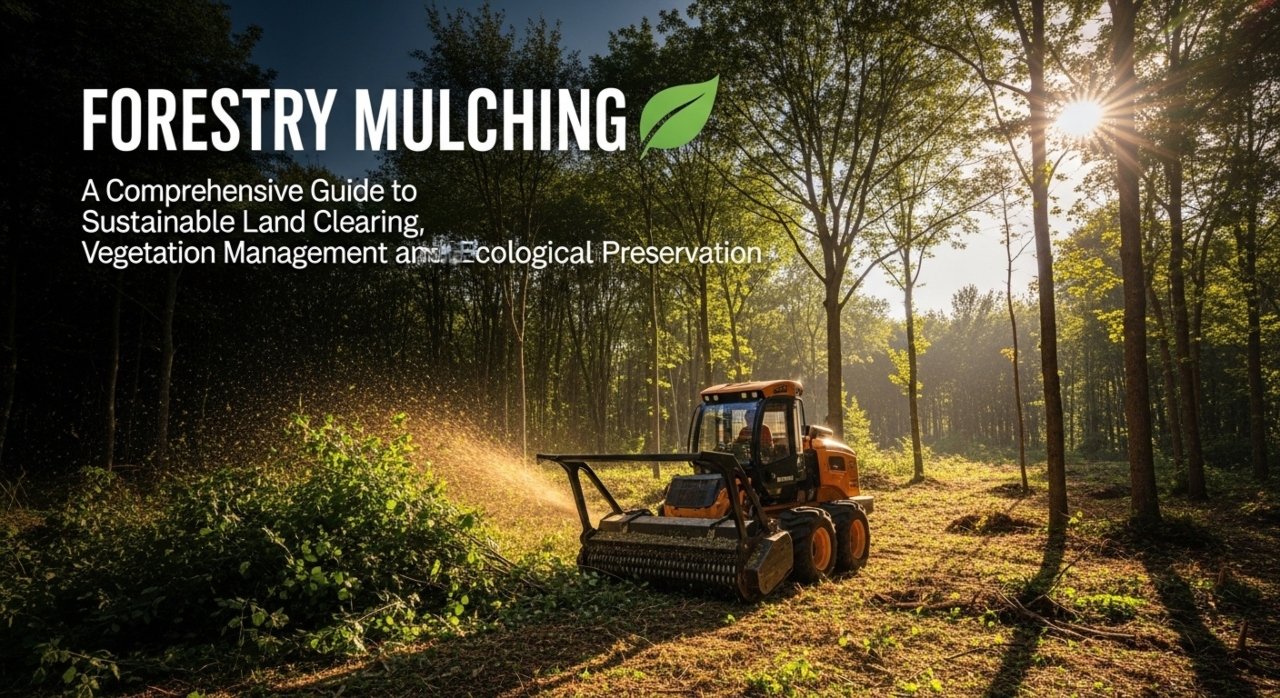
Understanding Forestry Mulching
Forestry mulching has emerged as one of the most effective and environmentally responsible methods for land clearing, vegetation management, and habitat restoration. This innovative approach to clearing trees, shrubs, and undergrowth without traditional heavy machinery has revolutionized how both private landowners and large-scale operators maintain and improve their property. With its numerous ecological and economic benefits, forestry mulching is quickly becoming the preferred solution for sustainable land management.
At its core, forestry mulching is the process of using specialized equipment, often called mulchers or forestry mulching machines, to grind vegetation into mulch directly on the ground. This eliminates the need for multiple machines like bulldozers, excavators, and trucks to remove debris. Unlike conventional land clearing methods that can cause soil erosion, disrupt ecosystems, and create large piles of waste, forestry mulching promotes soil health, preserves native plant life, and minimizes environmental impact. The ability to simultaneously clear land and recycle organic material into mulch sets forestry mulching apart as a sustainable practice for both small and large-scale projects.
Efficiency and Cost Benefits of Forestry Mulching
One of the primary advantages of forestry mulching is its efficiency. Traditional methods of clearing land involve cutting down trees, removing stumps, hauling debris, and then regrading the land. This can be both time-consuming and costly. Forestry mulching, however, accomplishes multiple steps in a single operation. The specialized mulching equipment can cut, grind, and deposit organic material in one pass. This reduces labor costs, shortens project timelines, and lowers overall expenses. Landowners who choose forestry mulching often find that they can maintain larger parcels of land with fewer resources and less heavy equipment, making it a cost-effective alternative to conventional clearing methods.
Environmental Advantages
From an environmental perspective, forestry mulching offers significant benefits that traditional land clearing cannot match. When trees and shrubs are mulched in place, they create a layer of organic material that enriches the soil, retains moisture, and helps prevent erosion. This mulch layer promotes the growth of native vegetation and can improve the resilience of the land against droughts or extreme weather events. In contrast, conventional clearing methods often strip the land bare, exposing the soil to erosion, nutrient depletion, and invasive species. By maintaining the natural organic matter through forestry mulching, ecosystems are preserved, and wildlife habitats are protected.
Safety Considerations in Land Clearing
Safety is another crucial aspect where forestry mulching excels. Land clearing and vegetation management can be dangerous tasks, especially in rough or uneven terrain. Traditional methods often require chainsaws, heavy equipment, and large crews working in potentially hazardous conditions. Forestry mulching machines, on the other hand, allow operators to manage dense vegetation from within a secure cab, reducing the risk of injury. This controlled method of clearing also reduces the likelihood of damaging surrounding properties, underground utilities, or sensitive ecosystems, making it a safer and more predictable approach to land management.
Versatility and Applications
Forestry mulching is also highly versatile, making it suitable for a wide range of applications. In addition to clearing brush and trees, this method can be used for right-of-way maintenance, wildfire prevention, invasive species control, and habitat restoration. Utility companies often rely on forestry mulching to maintain power line corridors, as it efficiently removes vegetation while leaving beneficial plants intact. Similarly, government agencies and private landowners use forestry mulching to reduce wildfire risks by clearing excess undergrowth and promoting healthy forest growth. The flexibility of this technique allows operators to customize the approach based on the specific needs of the land, the type of vegetation, and the desired end result.
Technological Advancements in Forestry Mulching
The technology behind forestry mulching has evolved rapidly in recent years. Modern mulching machines are equipped with powerful cutting heads capable of handling thick trees and dense brush, while maintaining precision and control. Many machines feature GPS guidance, advanced hydraulics, and ergonomic operator cabins, improving both productivity and comfort. This combination of technological advancement and practical application ensures that forestry mulching remains an efficient, reliable, and environmentally conscious method of land management.
Contribution to Sustainable Land Stewardship
One of the frequently overlooked benefits of forestry mulching is its contribution to sustainable land stewardship. By grinding vegetation into mulch on-site, the method reduces the need to transport debris to landfills or other disposal sites. This not only saves on fuel and labor costs but also minimizes carbon emissions associated with hauling waste. Additionally, the mulch left on the ground acts as a natural fertilizer, slowly decomposing to nourish the soil. Over time, this practice can improve soil structure, increase water retention, and support the growth of native plants. In this way, forestry mulching not only clears land but actively enhances its ecological health.
Enhancing Land Usability and Aesthetics
For property owners, forestry mulching can also increase the usability and aesthetic value of their land. Dense underbrush, overgrown shrubs, and small trees often make land difficult to access, manage, or develop. By clearing unwanted vegetation efficiently, forestry mulching opens up space for recreational activities, farming, construction, or landscaping. The natural mulch left behind creates a more uniform and visually appealing appearance, while also reducing the presence of weeds and invasive plants. This dual benefit of functionality and beauty makes forestry mulching an attractive option for residential, commercial, and government projects alike.
The Importance of Professional Operation
Despite its many advantages, forestry mulching requires skilled operators to ensure optimal results. Proper planning, equipment selection, and execution are essential to avoid damaging desired vegetation or sensitive areas. Factors such as soil type, slope, and the density of vegetation must be considered before starting a project. By working with trained professionals who understand the nuances of forestry mulching, landowners can maximize both the efficiency and ecological benefits of the process.
Conclusion: The Future of Sustainable Land Management
In conclusion, forestry mulching is more than just a land clearing technique; it is a transformative approach to sustainable land management. By combining efficiency, safety, versatility, and environmental stewardship, it addresses the shortcomings of traditional clearing methods while offering tangible benefits to landowners, operators, and ecosystems. From reducing project costs and labor requirements to enhancing soil health and supporting wildlife habitats, forestry mulching provides a comprehensive solution for maintaining, restoring, and improving land.
By choosing forestry mulching, landowners and operators not only achieve practical goals but also contribute to long-term ecological balance, creating healthier and more resilient landscapes. The integration of technology, expertise, and sustainable practice makes forestry mulching a model approach for anyone seeking to manage land responsibly while maximizing both efficiency and environmental benefits.



Strengthening Content Integrity with the CudekAI AI Detector

Detailed Mold Inspection Reports for Property Buyers, Sellers, and Homeowners

The Ultimate Guide to Hardwood Floor Installation for a Durable and Elegant Space

Subaru WRX STI discontinued … till further notice
What could have been: The incredible experimental engines that time forgot
