
Home improvement
Lighting Upgrades: A Complete Guide to Energy Efficiency, Performance and Modern Illumination

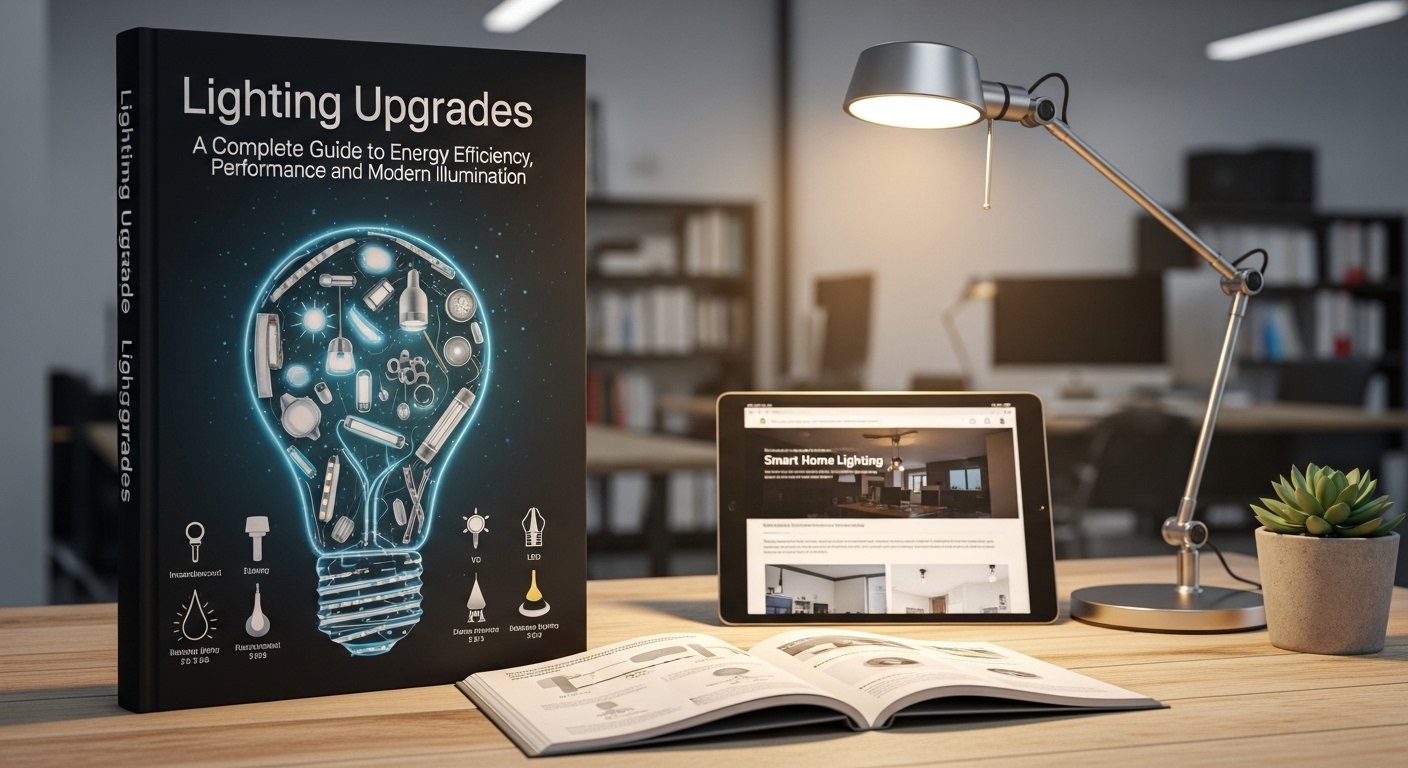
Lighting plays a crucial role in residential, commercial and industrial environments. It influences productivity, safety, aesthetics and overall energy consumption. As technology continues to evolve, outdated lighting systems can increase operational costs, reduce efficiency and limit performance. Lighting upgrades provide a practical and cost effective solution to improve illumination quality while reducing long term energy expenses.
Modern lighting technology has transformed how properties are illuminated. From energy efficient LED systems to smart lighting controls and automated dimming solutions, upgrading lighting infrastructure delivers measurable benefits. Whether you are a homeowner seeking lower utility bills or a business owner aiming to enhance workplace efficiency, understanding the value of lighting upgrades is essential.
This comprehensive guide explores the advantages, technologies, cost considerations, installation process and long term benefits associated with lighting upgrades.
Why Lighting Upgrades Matter
Older lighting systems often rely on inefficient technologies such as incandescent or fluorescent bulbs. These systems consume more electricity, generate excess heat and require frequent replacement. In contrast, modern lighting solutions use advanced designs that maximize brightness while minimizing energy consumption.
Organizations such as the U.S. Department of Energy emphasize that lighting accounts for a significant portion of energy usage in homes and commercial buildings. By transitioning to high efficiency systems, property owners can dramatically reduce energy waste.
Lighting upgrades are not only about lowering bills. They also improve visual comfort, enhance safety and support sustainability goals. Proper illumination reduces eye strain, increases productivity and contributes to a healthier indoor environment.
Key Benefits of Lighting Upgrades
Upgrading your lighting system offers a wide range of advantages that extend beyond simple brightness improvements.
Energy Efficiency
Modern LED lighting uses significantly less electricity compared to traditional incandescent or halogen bulbs. This reduction in energy use translates directly into lower utility costs.
Longer Lifespan
LED fixtures often last several times longer than conventional bulbs. Fewer replacements reduce maintenance expenses and labor requirements.
Improved Light Quality
Newer systems provide consistent brightness, better color rendering and reduced flicker. This creates a more comfortable and productive environment.
Reduced Heat Output
Traditional lighting generates heat that can increase cooling costs. Energy efficient lighting produces minimal heat, supporting climate control efficiency.
Environmental Sustainability
Lower energy consumption reduces carbon emissions and environmental impact. Lighting upgrades contribute to green building initiatives and sustainability certifications.
Types of Lighting Upgrades
There are several ways to modernize lighting systems depending on property needs and budget.
LED Retrofits
LED retrofitting involves replacing existing bulbs or fixtures with LED alternatives. This is one of the most common and cost effective upgrades.
Fixture Replacement
In some cases, replacing entire fixtures improves performance and aesthetics. Modern fixtures offer enhanced light distribution and contemporary design.
Smart Lighting Systems
Smart controls allow users to adjust brightness, set schedules and automate lighting through mobile applications or voice commands. These systems optimize energy use by ensuring lights operate only when needed.
Motion Sensors and Occupancy Controls
Installing occupancy sensors reduces unnecessary energy consumption by turning lights off when spaces are unoccupied.
Dimming and Daylight Harvesting
Advanced control systems automatically adjust lighting levels based on natural light availability, maximizing efficiency.
Commercial Lighting Upgrades
Businesses often experience substantial savings from lighting improvements. Offices, warehouses, retail stores and manufacturing facilities rely heavily on consistent illumination.
Upgrading to high efficiency LED systems reduces operating costs and improves workplace productivity. Better lighting enhances product visibility in retail environments and increases employee focus in office settings.
Organizations such as the Environmental Protection Agency support energy efficient lighting initiatives as part of broader sustainability efforts. Programs encouraging energy conservation often highlight lighting upgrades as a primary step toward reducing commercial energy use.
Residential Lighting Upgrades
Homeowners benefit from modern lighting in multiple ways. Kitchens, living rooms and outdoor areas can be transformed with improved brightness and color temperature options.
Energy savings accumulate over time, lowering monthly utility expenses. Outdoor lighting upgrades also enhance security by improving visibility around driveways and entry points.
Smart lighting systems provide convenience, allowing homeowners to control settings remotely or create automated schedules for different times of day.
The Installation Process
Lighting upgrades begin with an assessment of current fixtures, energy consumption and lighting goals. A professional evaluation helps determine the most effective upgrade strategy.
Next, outdated bulbs or fixtures are removed and replaced with high efficiency alternatives. Wiring and electrical compatibility are checked to ensure safe installation.
If smart controls are included, programming and integration with existing systems follow. Final testing confirms optimal performance and energy savings.
Standards supported by the National Electrical Manufacturers Association ensure lighting products meet safety and performance requirements.
Cost Considerations and Return on Investment
The cost of lighting upgrades varies depending on property size, fixture type and installation complexity. While upfront expenses may seem significant, long term savings often offset initial investment.
LED systems consume less energy and require fewer replacements, reducing maintenance costs. Businesses may qualify for rebates or incentives offered by utility providers for energy efficient improvements.
Return on investment typically becomes noticeable within a few years, especially in commercial settings with high lighting usage.
Lighting Upgrades and Workplace Productivity
Research indicates that proper lighting directly impacts employee performance and well being. Bright, evenly distributed light reduces eye strain and fatigue.
Adjustable color temperatures can create environments suited for specific tasks. Cooler light tones enhance focus and concentration, while warmer tones promote comfort in relaxation areas.
Investing in lighting upgrades contributes to a more efficient and positive work atmosphere.
Outdoor and Security Lighting
Exterior lighting upgrades improve both safety and curb appeal. LED floodlights and pathway lighting enhance visibility while consuming minimal energy.
Motion activated lighting systems deter intruders and reduce unnecessary power use. Upgraded outdoor lighting also highlights landscaping features and architectural elements.
Sustainability and Environmental Impact
Energy efficient lighting plays a key role in environmental responsibility. Lower electricity consumption reduces greenhouse gas emissions and conserves natural resources.
Organizations like the World Green Building Council promote energy efficient building practices, including modern lighting systems, to support global sustainability goals.
Choosing eco friendly lighting solutions aligns properties with environmentally responsible standards and green certifications.
Common Misconceptions About Lighting Upgrades
Some property owners assume that lighting upgrades are expensive luxury improvements. In reality, energy savings and reduced maintenance often make them financially practical.
Others believe replacing bulbs alone provides sufficient improvement. While bulb replacement helps, combining LED retrofits with smart controls and updated fixtures maximizes efficiency.
Delaying upgrades can result in ongoing energy waste and higher operational costs.
Choosing the Right Lighting Professional
Working with experienced electricians or lighting specialists ensures proper installation and optimal results. Professionals assess layout, brightness requirements and compatibility with existing electrical systems.
Requesting detailed proposals and reviewing product specifications helps ensure quality and long term performance.
Long Term Value of Lighting Upgrades
Lighting upgrades provide lasting benefits that extend beyond energy savings. Improved comfort, enhanced aesthetics, increased property value and reduced environmental impact contribute to overall satisfaction.
As technology continues to evolve, modern lighting systems offer scalability and adaptability for future improvements.
Conclusion
Lighting is a fundamental component of every property, influencing comfort, safety and operational efficiency. Upgrading outdated systems to modern, energy efficient solutions delivers measurable benefits in both residential and commercial environments.
From LED retrofits and smart controls to fixture replacements and outdoor enhancements, lighting upgrades improve illumination quality while reducing energy consumption and maintenance costs. With proper planning and professional installation, these improvements provide long term value and sustainability.
Investing in lighting upgrades is not just about brighter spaces. It is about creating efficient, safe and forward thinking environments that support modern living and working standards for years to come.



Mobile IV Therapy: Bringing Advanced Hydration and Wellness Directly to You

Dealing With Sewer Line Problems? Understand When Repairs Are Enough and When a Full Replacement Becomes Necessary

Brush Clearing Solutions for Residential and Commercial Properties With Focus on Efficiency and Environmental Care

Subaru WRX STI discontinued … till further notice
What could have been: The incredible experimental engines that time forgot
