
Home improvement
Residential vs Commercial Roof Installation: What You Need to Know

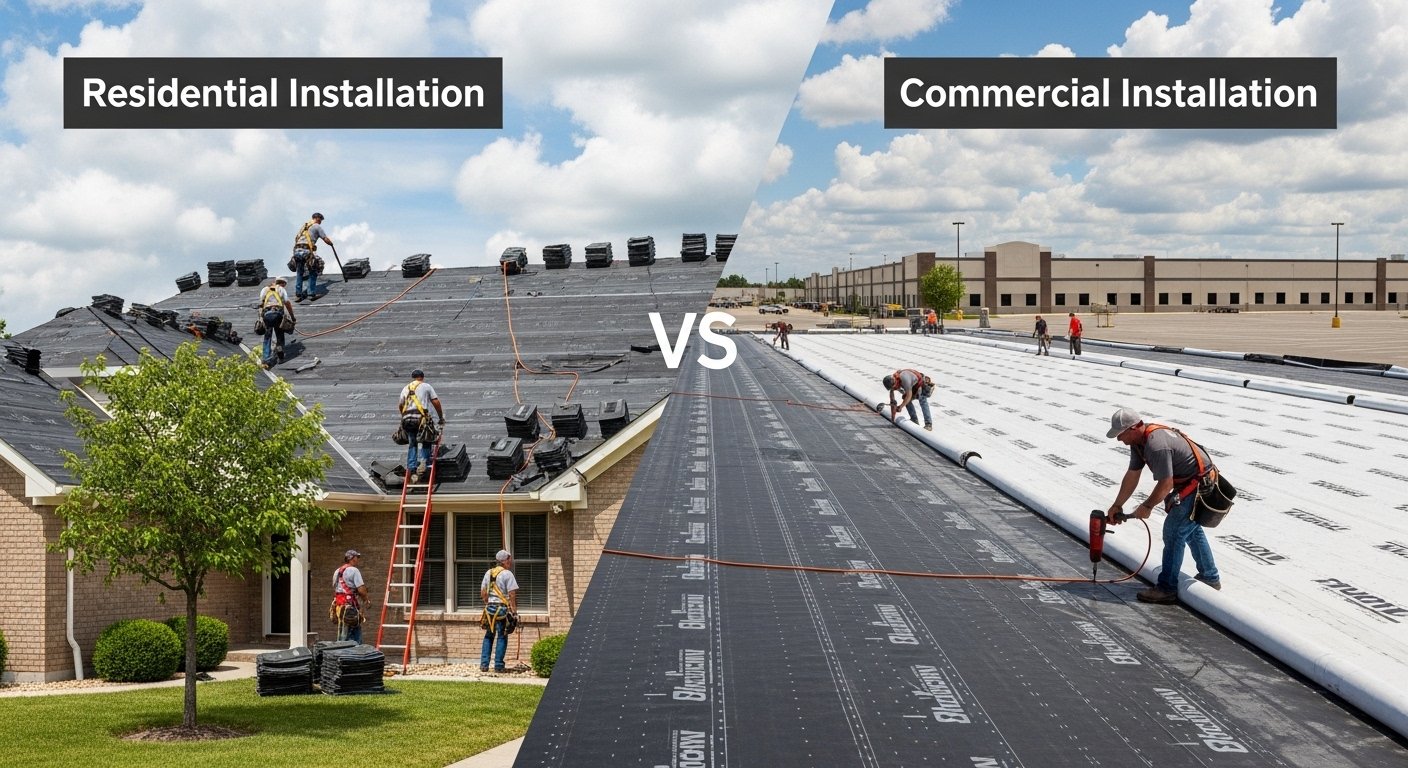
Roof installation is one of the most important aspects of any building project. Whether it is a home or a commercial property, the roof protects the structure from weather, enhances energy efficiency, and contributes to the overall durability of the building. However, residential and commercial roof installations are very different in terms of materials, design, cost, and installation techniques. Understanding these differences can help property owners make informed decisions when planning a roofing project.
Understanding the Basics of Roof Installation
Roof installation involves the process of constructing and installing a roofing system designed to protect a building from environmental elements such as rain, wind, heat, and snow. A properly installed roof also improves insulation and prevents structural damage caused by moisture infiltration.
Residential roofs are typically designed with aesthetics and comfort in mind, while commercial roofs focus more on functionality, durability, and efficiency. Because these two types of roofing systems serve different purposes, contractors must use different materials, installation methods, and maintenance strategies.
Key Differences Between Residential and Commercial Roof Installation
The most noticeable difference between residential and commercial roofing lies in the structure and design of the building.
Residential roofs are usually steep-sloped or pitched. These sloped designs help water and debris easily slide off the roof. Homes often feature architectural elements such as gables, dormers, or hip roofs that add style and character.
Commercial roofs, on the other hand, are often flat or low-sloped. These roofing systems are designed to support equipment such as HVAC units, ventilation systems, and solar panels. Because water does not naturally run off flat roofs as easily, specialized drainage systems must be installed to prevent water pooling.
Another major difference is size. Commercial buildings typically have much larger roof surfaces than residential homes, which affects the materials used, labor requirements, and installation time.
Materials Used in Residential Roof Installation
Residential roofing systems focus on appearance, cost-effectiveness, and durability. Homeowners usually choose materials that match the architectural style of their home while providing strong weather protection.
One of the most common residential roofing materials is asphalt shingles. These shingles are popular because they are affordable, easy to install, and available in many colors and textures.
Metal roofing has also become increasingly popular in residential construction. Metal roofs offer excellent durability, long lifespans, and strong resistance to extreme weather conditions.
Other residential roofing materials include clay tiles, slate, and wood shakes. These materials provide unique aesthetics but may require specialized installation techniques and additional structural support due to their weight.
Materials Used in Commercial Roof Installation
Commercial roofing systems require materials that can cover large areas efficiently while providing long-term durability.
Single-ply membranes such as TPO (thermoplastic polyolefin), EPDM rubber roofing, and PVC membranes are commonly used in commercial roofing projects. These materials are lightweight, energy-efficient, and resistant to UV damage.
Built-up roofing systems (BUR) are another option often used on commercial buildings. These systems consist of multiple layers of roofing felt and asphalt, creating a strong waterproof barrier.
Modified bitumen roofing is also widely used because it provides flexibility and excellent protection against extreme temperatures.
Commercial roofing materials are typically designed to handle foot traffic, heavy equipment, and long-term exposure to environmental conditions.
Installation Process for Residential Roofing
Residential roof installation generally involves several steps that focus on protecting the home while maintaining visual appeal.
The process usually begins with removing the old roof if a replacement is required. Contractors then inspect the underlying roof deck to ensure it is structurally sound. Any damaged wood or structural components are repaired before new materials are installed.
Next, underlayment is placed over the roof deck to create a moisture barrier. Flashing is installed around chimneys, vents, and valleys to prevent leaks. Finally, the roofing material such as shingles or tiles is installed carefully to ensure proper alignment and weather protection.
Because residential roofs often have slopes and architectural features, the installation process requires careful craftsmanship and attention to detail.
Installation Process for Commercial Roofing
Commercial roof installation is typically more complex due to the size of the structure and the specialized materials used.
The process begins with preparing the roof surface and ensuring proper insulation and drainage systems are in place. Insulation boards are installed to improve energy efficiency and temperature control within the building.
Next, the roofing membrane is applied. Depending on the material, this may involve heat welding, adhesive bonding, or mechanical fastening. Seams between membrane sections must be sealed carefully to create a waterproof barrier.
Commercial roofs also require drainage solutions such as internal drains, scuppers, or gutters to prevent standing water. Because of these technical requirements, commercial roofing projects often take longer to complete than residential installations.
Cost Differences Between Residential and Commercial Roofing
The cost of roof installation can vary significantly depending on the type of property and materials used.
Residential roofing projects are generally less expensive because they involve smaller surface areas and simpler installation techniques. Asphalt shingles, which are widely used in residential construction, are also relatively affordable.
Commercial roofing projects tend to be more expensive due to the larger roof size, specialized materials, and additional structural considerations. Installation may also require cranes, heavy equipment, or specialized safety measures, which can increase labor costs.
However, commercial roofing materials are often designed for longer lifespans and lower maintenance requirements, which can reduce long-term operational costs.
Maintenance Requirements for Residential Roofs
Regular maintenance is essential for preserving the lifespan and performance of a residential roof.
Homeowners should schedule periodic inspections to identify issues such as damaged shingles, loose flashing, or clogged gutters. Cleaning debris from the roof and maintaining proper ventilation can also prevent moisture buildup and mold growth.
Small repairs performed early can prevent larger structural problems in the future. Many roofing experts recommend annual inspections and additional checks after severe storms.
Proper maintenance can extend the lifespan of residential roofing systems by many years.
Maintenance Requirements for Commercial Roofs
Commercial roofing systems require consistent monitoring due to their size and complexity.
Facility managers often implement scheduled maintenance programs to inspect seams, drainage systems, and membrane integrity. Standing water, membrane punctures, or insulation damage can quickly lead to leaks if not addressed promptly.
Because commercial roofs often support equipment and regular foot traffic, protective walkways and reinforcement materials may be installed to reduce wear and tear.
Routine maintenance not only prevents costly repairs but also ensures the roofing system continues to meet safety and performance standards.
Choosing the Right Roofing Contractor
Selecting a qualified roofing contractor is crucial for both residential and commercial projects.
Experienced contractors understand the structural requirements, building codes, and installation techniques needed for different roofing systems. They also provide valuable guidance on material selection, energy efficiency improvements, and maintenance strategies.
Homeowners and business owners should look for licensed, insured, and well-reviewed contractors with a proven track record of successful projects. Clear communication, detailed estimates, and written warranties are also important indicators of a reliable roofing professional.
Working with the right contractor ensures that the roof installation is completed safely, efficiently, and according to industry standards.
Energy Efficiency Considerations
Modern roofing systems play an important role in improving energy efficiency.
Residential roofs can incorporate reflective shingles, proper ventilation systems, and insulation materials that reduce heat transfer and lower energy bills.
Commercial roofs often use reflective membranes or cool roofing systems designed to reduce heat absorption. These materials help maintain comfortable indoor temperatures and reduce the load on HVAC systems.
Energy-efficient roofing solutions can lead to long-term savings and improved environmental sustainability.
Final Thoughts
Both residential and commercial roof installations are essential for protecting buildings and maintaining structural integrity. However, the two systems differ significantly in terms of design, materials, installation techniques, and maintenance requirements.
Residential roofing focuses on appearance, comfort, and affordability, while commercial roofing emphasizes durability, efficiency, and large-scale coverage. Understanding these differences helps property owners choose the best roofing solutions for their specific needs.
By working with experienced roofing contractors and investing in high-quality materials, both homeowners and business owners can ensure their roofs provide reliable protection and long-term value.


Mobile IV Therapy: Bringing Advanced Hydration and Wellness Directly to You

Dealing With Sewer Line Problems? Understand When Repairs Are Enough and When a Full Replacement Becomes Necessary

Brush Clearing Solutions for Residential and Commercial Properties With Focus on Efficiency and Environmental Care

Subaru WRX STI discontinued … till further notice
What could have been: The incredible experimental engines that time forgot
