
Home improvement
The Complete Guide to Whole House Reverse Osmosis Systems for Clean and Healthy Water

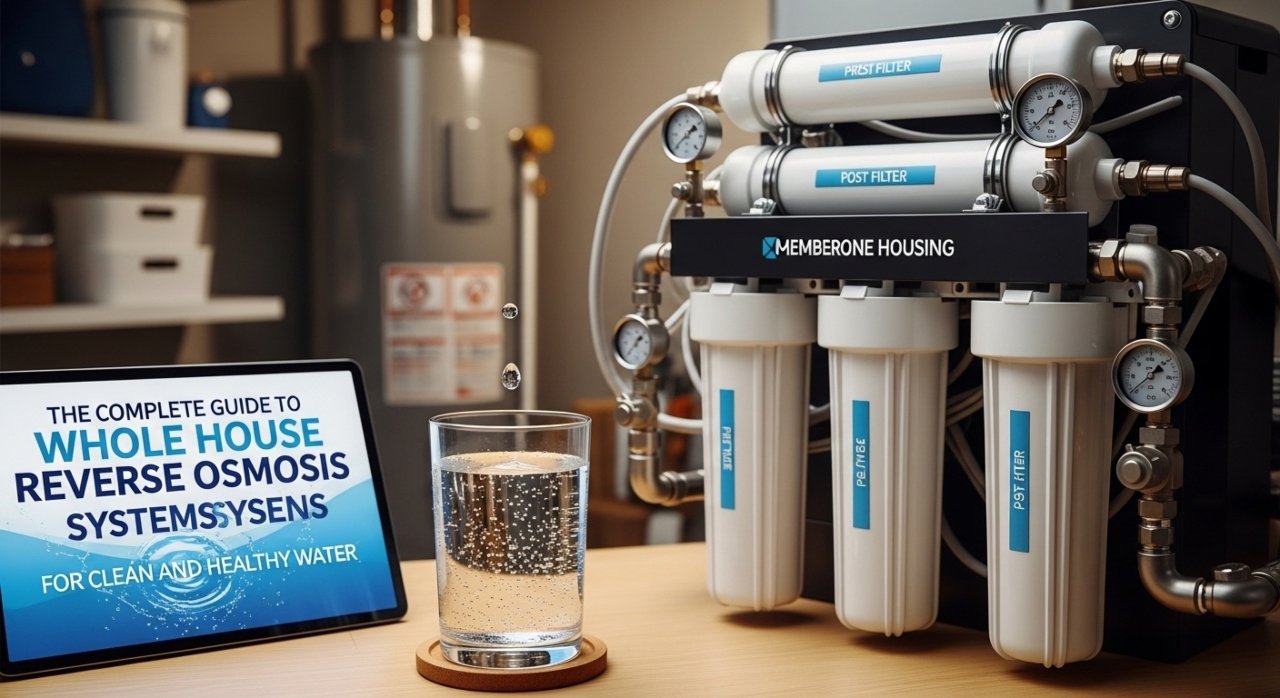
Access to clean, safe, and great tasting water is essential for every home. While many households rely on municipal water systems, contaminants such as chlorine, sediment, heavy metals, and other impurities can still be present. Whole House Reverse Osmosis Systems offer a comprehensive solution by filtering water at the point it enters your home, ensuring every faucet, shower, and appliance receives purified water.
Unlike under sink or point of use systems that filter water for a single tap, whole house reverse osmosis systems treat all the water entering the home. This approach not only improves drinking water quality but also protects plumbing, appliances, and fixtures from sediment buildup and scale formation. Understanding the benefits, components, and maintenance of whole house reverse osmosis systems is essential for homeowners seeking superior water quality.
What Is a Whole House Reverse Osmosis System
A Whole House Reverse Osmosis (RO) System is a water filtration system designed to purify all water entering a home. It uses a semi permeable membrane to remove dissolved salts, contaminants, and impurities. Reverse osmosis is one of the most effective water filtration methods, capable of reducing up to 99% of contaminants including chlorine, lead, fluoride, nitrates, and microbial organisms.
These systems are typically installed at the main water supply line and include pre filters to remove sediment, activated carbon filters to eliminate odors and chemicals, and a post filter to ensure water purity. Some systems may also include UV sterilization to destroy bacteria and viruses.
By treating all incoming water, whole house reverse osmosis systems provide consistent quality for drinking, cooking, bathing, and laundry.
Importance of Clean Water
Clean water is essential for health, hygiene, and overall home maintenance. Contaminated water can affect the taste and odor of drinking water, cause skin and hair issues, and reduce the lifespan of appliances such as water heaters, dishwashers, and washing machines.
Household water may contain chlorine, sediment, heavy metals, and other chemicals that impact health and comfort. Using untreated water for bathing and cooking may expose residents to irritants and contaminants. A whole house RO system addresses these concerns by providing high quality purified water throughout the home.
Benefits of Whole House Reverse Osmosis Systems
Whole house reverse osmosis systems offer a wide range of benefits for homeowners. One of the primary advantages is comprehensive water purification. Unlike single tap systems, a whole house RO system ensures that every faucet and fixture delivers clean, contaminant free water.
Health benefits are significant. Drinking and cooking with purified water reduces exposure to potentially harmful chemicals, heavy metals, and microbes. Skin and hair are less likely to become dry or irritated when bathing in purified water, and laundry benefits from reduced mineral buildup.
These systems also protect plumbing and appliances. By removing sediments and hard minerals, whole house RO systems prevent scale buildup in pipes, faucets, and water heaters, extending the lifespan of household fixtures.
The taste and odor of water are improved, making drinking water more appealing and enhancing the flavor of food and beverages.
Components of a Whole House RO System
A typical whole house reverse osmosis system includes multiple stages of filtration:
Pre Filtration: Sediment filters remove larger particles, dirt, and rust, protecting the RO membrane.
Carbon Filtration: Activated carbon filters remove chlorine, chloramines, and other chemicals that affect taste and odor.
Reverse Osmosis Membrane: The semi permeable membrane removes dissolved salts, heavy metals, and other contaminants, providing purified water.
Post Filtration: Polishing filters remove any residual taste or odor, ensuring clean and fresh water throughout the home.
Optional UV Sterilization: Some systems include UV lights to kill bacteria and viruses, adding an extra layer of protection.
Proper configuration and high quality components ensure maximum efficiency and long term reliability.
Installation Process
Professional installation is recommended for whole house reverse osmosis systems due to their size and complexity. The system is typically installed at the main water supply line before water reaches any faucets or appliances.
Installation involves connecting pre filters, RO membrane, post filters, and optional UV systems to ensure proper water flow and filtration. Proper pressure regulation and system calibration are essential for optimal performance.
Professional installers ensure the system is correctly sized for the household water demand, preventing performance issues and maintaining consistent purification.
Maintenance and Care
Regular maintenance is critical to ensure the system operates efficiently. Filters and membranes must be replaced according to manufacturer recommendations. Pre filters are typically changed every 6 to 12 months, while RO membranes may last 2 to 3 years depending on water quality and usage.
Cleaning and sanitizing the system periodically prevents microbial growth and maintains water quality. Monitoring water pressure, flow rate, and quality ensures the system continues to deliver safe and clean water.
Proper maintenance extends the life of the system, protects household plumbing, and guarantees consistent water purity.
Cost Considerations
Whole house reverse osmosis systems represent a larger upfront investment than point of use units, but the long term benefits often outweigh initial costs. Pricing varies based on system size, filtration stages, and additional features such as UV sterilization.
Ongoing costs include filter and membrane replacements, occasional professional servicing, and electricity for pumps or UV systems. Investing in high quality systems ensures durability, efficiency, and consistent water purification throughout the home.
Signs You Need a Whole House RO System
Several indicators suggest that a whole house RO system may be necessary. Hard water, unpleasant taste or odor in tap water, frequent sediment buildup in appliances, or skin and hair irritation from bathing may all signal that water quality requires improvement.
Homes with children, elderly individuals, or residents with sensitivities to chemicals and minerals can particularly benefit from comprehensive water purification.
Long Term Value
A whole house reverse osmosis system provides long term value by ensuring clean, safe water throughout the home. Improved water quality supports health, reduces skin and hair irritation, protects appliances and plumbing, and enhances the taste of drinking water and food.
By investing in a high quality system and maintaining it properly, homeowners enjoy years of reliable performance and protection from contaminants. The benefits extend beyond health to convenience, comfort, and peace of mind.
Conclusion
Whole house reverse osmosis systems are an effective solution for homeowners seeking comprehensive water purification. By filtering all water entering the home, these systems ensure safe, clean, and great tasting water for drinking, cooking, bathing, and laundry.
With multiple filtration stages, optional UV sterilization, and professional installation, a whole house RO system delivers consistent results and long term reliability. Proper maintenance ensures efficiency and extends system life.
For homeowners committed to health, comfort, and appliance longevity, investing in a whole house reverse osmosis system provides lasting value and peace of mind, making it a smart choice for every household.



Mobile IV Therapy: Bringing Advanced Hydration and Wellness Directly to You

Dealing With Sewer Line Problems? Understand When Repairs Are Enough and When a Full Replacement Becomes Necessary

Brush Clearing Solutions for Residential and Commercial Properties With Focus on Efficiency and Environmental Care

Subaru WRX STI discontinued … till further notice
What could have been: The incredible experimental engines that time forgot
